Pinterest Advertising Guidelines (2026): A Complete Guide for Marketers
Pinterest advertising guidelines determine whether your ads run or get rejected. This guide explains Pinterest ad rules, creative do’s and don’ts, targeting limits, and landing page requirements so marketers can launch campaigns that get approved and deliver results.


Pinterest is not a loud, high-pressure ad environment. People come here with curiosity. They look for ideas, plans, and inspiration. If your ad blends into that mindset, it performs. If it feels pushy or unsafe, Pinterest slows it down or disapproves of it.
The rules do not exist to frustrate you. They exist to protect the discovery experience. This guide walks you through the dos, don’ts, formats, specs, and small details that keep your campaigns safe and effective.
Think of it as a handbook that explains everything in plain English, without harsh technical terms.
Let’s make sure your ads get approved the first time.
Key takeaways
- Pinterest rewards ads that feel like ideas, not promotions. Calm visuals and helpful messaging perform best.
- Most ad rejections come from small mistakes like heavy text, misleading claims, or landing page mismatches.
- Clean images, soft colors, and minimal overlays are more important than flashy design or aggressive copy.
- Pinterest allows targeting, but privacy comes first. Anything too personal or sensitive is blocked.
- Landing pages matter as much as creatives. If the promise and page do not match, the ad gets rejected.
- Idea Ads and short videos work best when they teach, inspire, or show a simple process.
- Brands that stay honest, positive, and user-focused see smoother approvals and stronger engagement.
What Pinterest wants from advertisers
Pinterest wants content that feels useful and positive. Think of it as a visual search engine where people come to plan the next chapter of their lives.
Your ad should:
- Feel honest and transparent
- Blend naturally into a feed full of ideas
- Make people curious instead of pressured
- Use clean, high-quality visuals
The goal is simple. Pinterest wants ads that inspire action without manipulating emotions.
What Pinterest rejects? (The hard no list)
Here we have listed a checklist you must go through before advertising on Pinterest:
- Pinterest is strict about certain areas. When your ad falls into any of these zones, it gets rejected immediately.
- Harmful or unsafe items. Weapons, explosives, harmful accessories, anything that can cause injury offline.
- Adult or suggestive content. Even mild nudity or sexual posing often gets flagged. Pinterest aims to stay family-friendly.
- Misleading or exaggerated claims. This includes: extreme transformations, miracle outcomes, fake guarantees, and sensational headlines.
- Pinterest pushes for realistic results and honest messaging.
- Political content. Political persuasion, political issues, or election influence are completely banned.
- Tobacco and illegal substances. No ads for cigarettes, vapes, cannabis, drug paraphernalia, or illegal products.
- Hate, bullying, or body shaming. Pinterest actively protects emotional safety. Any harmful tone triggers rejection.
If your brand is close to any sensitive category, keep your messaging extra clean.
Restricted categories (allowed, but with rules)
Some industries are allowed on Pinterest, but you must follow stricter rules.
Alcohol
Permitted, but not if you:
- Target minors
- Encourage irresponsible behavior
- Claim health benefits
Weight loss
You can promote healthy lifestyle ideas. You cannot show extreme results or create fear around body image.
Gambling
Allowed only in approved regions. Correct age targeting and responsible messaging are required.
Medical or cosmetic procedures
Share information, not dramatic claims or unsafe promises. If you stay careful and transparent, these categories pass approval smoothly.
Here is a smoother, more human, conversational rewrite.
I have kept your structure, but the tone is warmer, the paragraphs guide the reader, and the lists feel introduced, not dumped.
Creative guidelines: What Pinterest actually loves to see
Pinterest is a visual platform at its core. People scroll through it the way they would flip through a magazine. That means your ad needs to feel like it belongs there. Before you start designing, think about this: “Would a Pinterest user save this?”
If the answer is no, the ad likely won’t perform well.
Let’s look at what Pinterest expects across different creative formats.
Image Ads
Pinterest users notice your image before they read a single word, so clarity and mood matter. Clean visuals get far more saves than complicated designs.
Keep your images:
- 2:3 ratio, which looks most natural in the feed
- 1000 × 1500 px for sharp quality
- Bright, soft, and minimal, so the viewer feels invited, not overwhelmed
- With light text overlays only, Pinterest penalizes heavy text
Think of Pinterest images as visual ideas, not promotions. Soft lighting, airy colors, and uncluttered arrangements work best.
Video Ads
Many advertisers assume Pinterest wants fast, high-edit videos. It doesn’t. Users prefer short videos that feel calm and helpful.
Stick to:
- 4-15 seconds (the sweet spot)
- MP4 or MOV format
- Vertical or vertical-friendly ratios (2:3 or 9:16)
- Smooth, simple visuals without aggressive transitions or loud effects
A quick room makeover, a recipe step, a styling moment, anything short and soothing tends to perform better than loud, fast edits.
Idea Ads
These are perfect if you want to tell a mini story. Think of them as your chance to walk people through a process, one step at a time.
Idea Ads work best when you:
- Show a simple transformation
- Break steps down clearly
- Avoid dramatic “before/after” claims
- Keep the tone friendly and encouraging
Your goal is to inspire, not oversell.
Ad Copy
Pinterest isn’t the place for “LIMITED OFFER!!!” type messaging. Users prefer gentle guidance, so your text should feel like a suggestion, not a push.
You need to avoid:
- Keyword overload
- ALL CAPS
- Hard-selling language
Keep your copy soft, clear, and helpful. The more it sounds like something a real person would say, the more Pinterest boosts it.
Pinterest advertising works best when brands stop trying to sell and start trying to help. The more your ad feels like an idea someone would save for later, the more Pinterest rewards it with reach, approvals, and long-term performance.

CEO & co-founder at Cropink.com and Feedink.com
Rules of targeting: Who you can and cannot reach
Pinterest gives you effective targeting options, but it also protects user privacy. So think of targeting as a way to find people who are already looking for ideas like yours, not a way to follow people around the internet.
You are allowed to target:
- Interests (like home décor, cooking, fashion)
- Keywords
- Demographics
- Custom audiences
- Act like audiences
These help you meet people who are already in a “planning mood.”
But Pinterest blocks anything that feels too personal. You cannot target:
- Sensitive health details
- Personal struggles or hardships
- People under 18
- Traits that reveal private identity information
The conclusion is clear: Pinterest wants users to feel safe, not tracked.
Landing page rules: A common reason ads get rejected
Most advertisers focus on the ad and forget the landing page. Pinterest does not. It scans your landing page for accuracy, safety, and consistency. If anything feels misleading, your ad is rejected.
Your landing page should:
- Match your ad’s promise
- Show correct prices
- Load quickly
- Avoid pop-ups that block the screen
- Use trusted payment symbols
- Keep the tone honest and clear
If your Pin says “under ₹999,” your landing page must show that price clearly. Consistency is everything.
Category-specific rules: A quick breakdown
Pinterest treats some industries more carefully because of past misuse. If you’re in one of these categories, keep messaging simple and factual.
Beauty
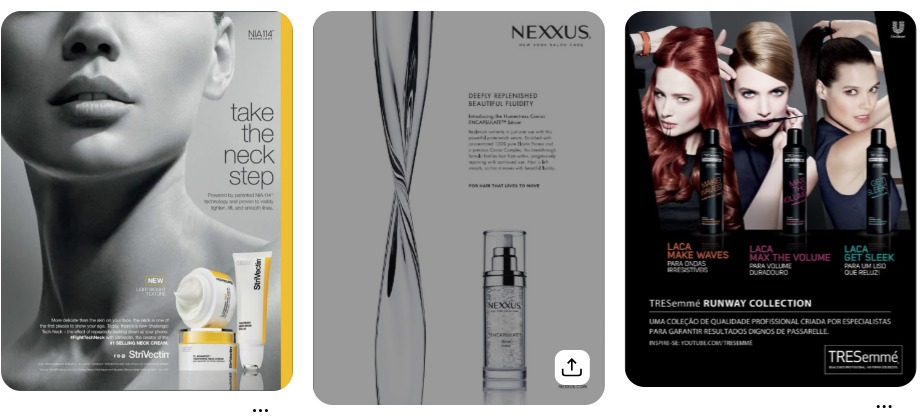
Avoid dramatic transformations or heavily edited skin.
Finance

Stay away from guaranteed results or fast-profit claims. Transparency wins.
Health
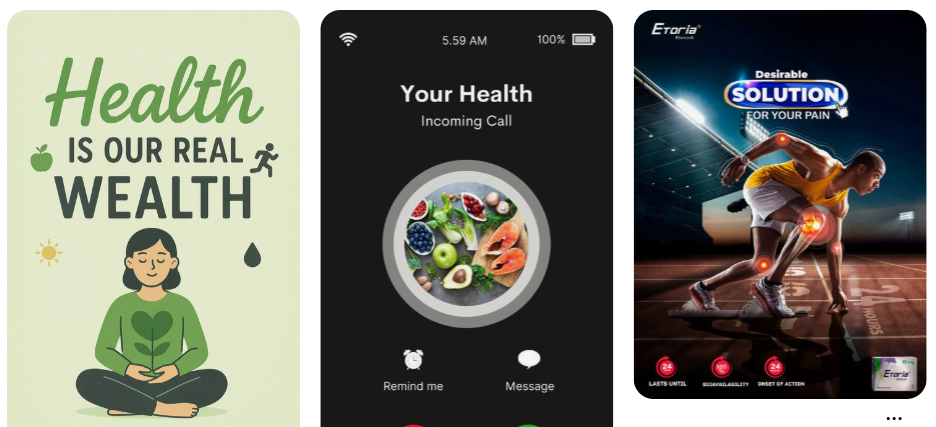
No medical promises, fear-based messaging, or exaggerated outcomes.
Fashion
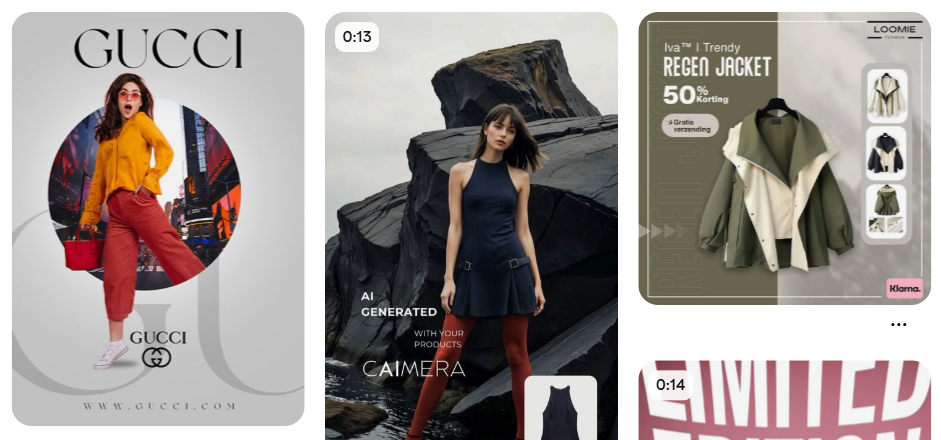
Use inclusive, non-sexualized visuals. Avoid body comparison captions.
DIY & Home
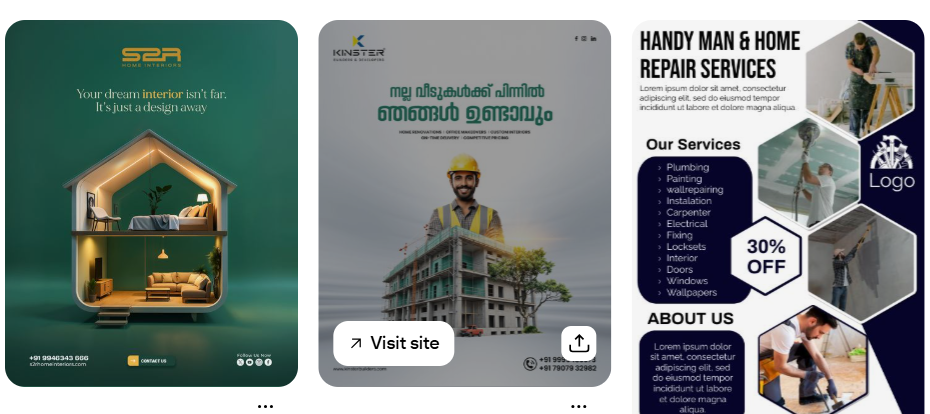
Use original images or licensed content. Pinterest dislikes generic stock photos.
Best practices for smooth Pinterest approvals
If you want your ads approved consistently, build these habits into your workflow. They prevent 90% of rejections.
Do this:
- Use clean, high-quality visuals
- Keep text short and friendly
- Maintain a positive tone
- Use minimal overlays
- Avoid unrealistic claims
- Ensure your landing page matches the ad
- Use warm, inviting colors
- Keep the design breathable
Pinterest favors ads that feel like ideas, inspirations, and helpful suggestions, not traditional ads.
Pinterest-friendly ad examples
These examples show the kind of creative Pinterest boosts.
1. Home Décor Moodboard
A collage of colors, fabrics, and décor items. Soft lighting. No heavy text. It looks like inspiration a user would save for later.
2. Outfit Idea Grid
Four seasonal outfits in a clean grid.
A tiny label like “Summer picks.” Nobody comments. No strong selling tones.
3. Recipe Idea Video
A 6-second clip showing one quick step of a recipe.
It feels warm, inviting, and practical.
4. DIY Craft Kit Idea Pin
A step-by-step demonstration of how to create something.
Clear, simple, and motivating.
These ads work because they fit the “Pinterest mood” calm, helpful, and creative.
Common reasons Pinterest rejects ads
Why did your last add got rejected? Most rejections come from fixable issues. If your ad gets rejected, it’s usually due to:
- Too much text on the image
- Low-quality or blurry visuals
- Landing page mismatch
- Unlicensed images
- Before/after comparisons
- Sexualized photos
- Clickbait text
- Pop-ups blocking content
- Misleading pricing
- Sensitive or banned keywords
If fixing these usually gets the ad approved on the second attempt.
Pre-launch checklist (Use this every time)
Before you click “Publish,” ask yourself:
- Is the image clean and clear?
- Does the copy feel simple and honest?
- Does the landing page match the ad?
- Is my text minimal?
- Does the creative feel positive?
- Is it safe for all ages?
- Is my claim realistic?
If yes, your ad is already on the right track.
FAQs
Yes, Pinterest ads are worth it if your product or service fits a planning mindset. People use Pinterest to plan purchases, not to scroll mindlessly. This means users often arrive with higher intent than on many social platforms. Brands in fashion, home, beauty, food, and lifestyle see especially strong results.
Most rejections happen because of creative or landing page issues. Common reasons include too much text on images, misleading claims, before-and-after visuals, or a landing page that does not match the ad. Pinterest reviews the full user journey, not just the Pin.
Pinterest does not publish a strict text percentage rule, but it prefers minimal overlays. Short phrases work best. If the image feels crowded or sales-heavy, approval and performance both suffer.
Yes, Pinterest supports retargeting through custom audiences. You can retarget site visitors, customer lists, or people who interacted with your Pins. The key is to keep the messaging helpful and idea-focused rather than aggressive.
Yes, but only if the landing page is trustworthy. Your page must load fast, show clear pricing, avoid misleading claims, and provide a real value proposition. Low-quality dropshipping pages often fail approval.
Both work well. Video often performs better for awareness and inspiration. Image ads work well for saving and planning. The best choice depends on your campaign goal and creative quality.
Manisha is a Data-Driven Marketing Expert who turns numbers into narratives and ad clicks into conversions. With a passion for performance marketing and a sharp eye for analytics, she helps brands cut through the noise and maximize their impact in the digital space.
Leszek is the Digital Growth Manager at Feedink & Cropink, specializing in organic growth for eCommerce and SaaS companies. His background includes roles at Poland's largest accommodation portal and FT1000 companies, with his work featured in Forbes, Inc., Business Insider, Fast Company, Entrepreneur, BBC, and TechRepublic.
Related Articles


How Can Cropink Help?
Start with Cropink is easy and free
No credit card required