TikTok Catalog Ads: The Complete Setup Guide for Ecommerce Brands
TikTok Catalog Ads transform your product feed into dynamic, personalized ads that appear across the For You page, search, and live shopping. With up to 78% of users more likely to purchase after seeing them, this guide explains setup, formats, optimization strategies, and how to scale campaigns effectively.


TikTok may have started as the app for dance trends and lip-syncs, but it's now a product discovery engine and one of the top social commerce platforms.
Shoppers these days use TikTok like a search engine to hunt for products. And they’re buying whatever products get recommended.
One of the options available for advertising your products to these shoppers is TikTok Catalog Ads.
TikTok Catalog Ads use your product feed to generate shoppable ads across video, search, and carousels.
In this guide, we’ll show you how they work, how Smart+ and Catalog Manager fit together, what feed data is a must-have, and how to make the ads look better before they go live.
Key takeaways
- TikTok Catalog Ads automatically turn your product feed into personalized, shoppable video content that reaches users when they're most likely to buy.
- TikTok Catalog Ads can appear as listing ads, catalog videos, or video ads with catalog add-ons.
- Smart+ handles delivery, but performance still depends on feed quality, clean product sets, and creative assets that leave room for product cards and other overlays.
What are TikTok catalog ads?
TikTok Catalog ads are ads that pull from your product feed to create dynamic and personalized ads for your brand on TikTok. These ads are designed to connect your products with the right people at the exact moment they’re most likely to buy.
Essentially, TikTok uses automation and AI to dynamically generate ads, match them to the right audiences, and optimize for results.
When using this ad type, you skip the part where you build individual ads for every item in your product feed entirely.
It’s a super helpful feature, especially when you have hundreds or thousands of SKUs. At the moment, TikTok allows up to 20 million products in your catalog.
TikTok gives you the option to set up these ads manually or use smart+ catalog ads. If you opt for the latter, it will pull in your catalog, auto-generate ad creatives, layer in interactive add-ons, and adjust delivery and budget based on what’s driving conversions.
Later in the article, we’ll show you how to set up TikTok catalog ads and the best practices to keep.
How does TikTok deliver catalog ads to users?
TikTok doesn’t just show your catalog ads randomly.
It delivers them in personalized shopping experiences designed to meet users where they are in their buying journey.
These are the three main ways catalog ads are surfaced to users.
1. TikTok Catalog listing ads
Catalog Listing Ads showcase multiple products from your catalog in a scrollable grid format. They are typically shown in areas where users are actively searching for and evaluating products, such as search results and product recommendation sections.
Users can browse multiple items, click on products that interest them, and continue to the next stage of the shopping journey.
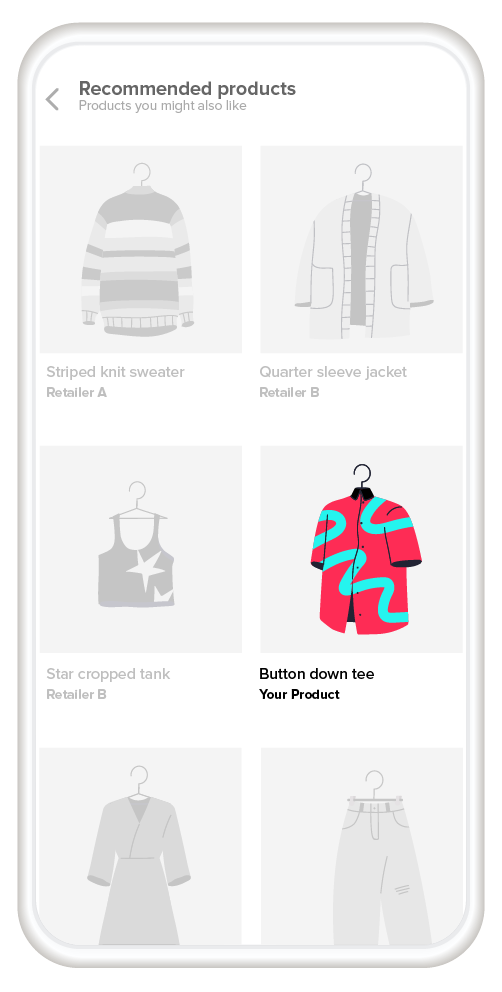
Recommended products, which is an example of a catalog listing ad.
TikTok listing ads are best for Product discovery and comparison when shoppers are still in the consideration stage.
2. Video shopping ads
These are dynamic TikTok-style videos powered by your product catalog.
TikTok automatically pairs product details (like image, name, and price) with short-form video creatives.
These ads appear on the For You page, product detail pages (PDPs), and search results.
Product information from your catalog is dynamically paired with video creatives to create personalized shopping experiences at scale.
This ad type is best for prospecting and retargeting, and can work across all buying stages.
3. Live shopping ads
Live Shopping Ads connect products from your catalog directly to livestream shopping experiences, allowing viewers to browse and purchase featured products without leaving the stream.
They appear on the TikTok live tab, Live stream overlays, and feed placements promoting the live.
Live shopping ads work well for product launches, promotions, and community engagement.
How TikTok catalog ads work
As we mentioned, Catalog Ads on TikTok turn your product feed into personalized, shoppable experiences that blend into the TikTok feed like native content.
Below, we look at how it all comes together from the product catalog to what the creative users see.
1. It starts with your product feed or catalog
The product catalog is a link or file where you store all the key information TikTok needs to build each ad. Most catalogs contain product attributes such as:
- Product names
- Prices
- Image links
- Product page URLs
- Descriptions
- And ideally, videos
To upload your product feed to TikTok Ads Manager, go to assets> catalog and choose create.
Name your catalog and then choose currency (which must be in the currency your products are listed in).
Next, you’ll need to choose your target country and select your product feed format. TikTok supports CSV, XML (RSS), XML (ATOM), ZIP, GZ. and GZ. formats.
Also, note that your catalog file size cannot exceed 50 GB.
While TikTok only requires nine mandatory fields, it allows you to include up to 27 fields in your product feed file.
These extra fields cover optional but valuable data points like sale price, availability, product ratings, brand, and custom labels.
Use rich fields like ‘video’, ‘sale price’, and ‘product type’. These help TikTok personalize creatives and show the right product to the right person.
TikTok product feed specifications that matter most
Even though you might not use all 27 fields, you must make sure that the title, image, price, sale price, landing-page URL, availability, product type, and video fields are available because they are crucial for running catalog ads.
What to check in TikTok Catalog Manager before launch
Once you’ve created your catalog on TikTok, review your product feed to avoid delivery issues, disapprovals, and poor shopping experiences.
- Pricing Information. Verify that prices are current and consistent with your website. Outdated or missing prices can create friction and lead to abandoned purchases.
- Product IDs. Each product should have a unique and consistent product ID. Mismatched IDs can cause tracking issues and prevent TikTok from serving the correct products to shoppers.
- Availability Status. Confirm that the inventory status is accurate. Products marked as in stock should be available for purchase, while out-of-stock items should be updated accordingly.
- Product Titles and Descriptions. Use descriptive titles that help both TikTok's system and shoppers understand what you're selling. Avoid vague product names and include important details where relevant.
- Destination URLs. Check that every product links to the correct landing page. Shoppers should arrive on the exact product page shown in the ad, not a category page or unrelated product listing.
- Optional Product Attributes. If available, include additional fields such as brand, color, size, material, and product category. These details help TikTok better match your products to relevant audiences.
2. Create product sets for smarter targeting
Just like with Facebook catalog ads, you can group products in your catalog into sets.
For example, you can have product sets for ‘On Sale,’ ‘Best Sellers,’ ‘Summer Shoes, or more literal ones for materials, designs, etc.
These product sets make it easier to run campaigns around specific themes, categories, or seasonal drops.
3. TikTok generates the ads for you
Once your catalog is live, TikTok automatically creates and serves catalog ads using the product information you provided. These can appear as:
- Carousel Ads: Swipeable cards that show multiple products
- Catalog Videos: Auto-generated video creatives using your product data
- Single Videos: Brand-made or repurposed TikToks connected to catalog items
You don’t need to build these manually. TikTok dynamically assembles them in real time based on what’s most likely to convert for each viewer.
If you don’t have product videos, TikTok gives you two options inside Catalog Manager:
- Dynamic Templates: TikTok pulls from your product feed to create short videos with transitions, stickers, music, and motion effects.
- TikTok Templates: A library of 50+ formats you can tweak with your brand elements, images, and text.
Once generated, these videos appear alongside interactive add-ons like product cards or shop buttons optimized to stop the scroll.
4. Automatic delivery and optimization
From there, TikTok uses Smart+ to test what creative formats, products, and add-ons work best and adjusts the campaign automatically.
So instead of guessing what to run, you get a system that learns and adapts to deliver a good ROAS and conversions regardless of whether you're promoting 10 products or 10,000.
Benefits of catalog ads on TikTok
Here are a few benefits you stand to gain from these ads:
1. Scale effortlessly without extra creative work
Once your catalog is uploaded and synced, you don’t need to create dozens of new ads every time you update your inventory.
TikTok pulls product data directly from your feed to generate dynamic creatives at scale.
You can also tailor ads based on different goals, from broad awareness to personalized retargeting, without rebuilding campaigns from scratch.
This makes them one of the most efficient ad types when you manage a large or frequently changing product catalog
2. Reach shoppers with higher purchase intent
Catalog ads are created to match a user’s browsing or shopping behavior because they use product and audience data to deliver more relevant recommendations.
That means they show up when users are already in discovery or consideration mode.
They're also more likely to give you a better ROI because Users are more likely to click through when the product shown is relevant to what they’ve searched, liked, or engaged with.
3. Lower creative production costs
Catalog Ads dramatically reduce the need for custom video shoots or graphics.
TikTok dynamically generates ad creatives using your product titles, prices, and images, sometimes even overlaying them onto short-form video templates.
In short, you won't be as dependent on design teams or production budgets. And yet, you'll still deliver native-feeling content that blends into the For You Page.
Has any company seen any benefit from these ads?
TikTok published a case study where Ray-Ban, the eyewear brand, saw massive returns from investing in catalog ads for TikTok.
The brand wanted to scale their eCommerce performance while keeping creative workload and acquisition costs low. They achieved:
- 50% decrease in cost per acquisition
- 47% increase in conversion rate
- 42% higher ROAS
Bottom line: If you’re selling multiple products, want to personalize ads without extra effort, and need a cost-effective way to run performance campaigns, TikTok Catalog Ads are a superb option.
Catalog ad formats to choose from for TikTok ads
When you set up a Catalog Ads campaign in TikTok Ads Manager, you’ll be asked to choose a creative format.
The format determines how your catalog items will visually appear in the ad itself.
There are three main formats:
Carousel ads
These are a scrollable ad format that pulls product images and details directly from your catalog. It looks like TikTok’s carousel video, only this time, it’s an ad with product information.
This option is great for showing various products in a single ad.
It works well for always-on sales campaigns, retargeting, or new customer prospecting.
Example of a catalog ad on TikTok

Creative requirements
- High-quality product images for each SKU
- Consistent image ratio (typically 1:1 or 4:5 depending on setup)
- Clear product titles (easy to scan, not vague)
- Accurate pricing information
- Correct product URLs (must match the exact PDP)
- Updated availability status (in stock vs out of stock)
- Clean product grouping (variants like size or color should be logically structured)
- Optional: product attributes like brand, color, material, category
Single video ads with catalog add-ons.
This is a TikTok video you upload or select from your library, enhanced with product overlays pulled from your catalog.
They are best for branded storytelling that also drives direct product clicks.
Creative requirements
- One primary product image or video
- Product title
- Accurate price and offer details (if any)
- Direct product URL (must match exact PDP)
- Optional supporting media:
- 1–3 secondary images
- short product video (recommended but not required)
- Background visuals for images (product must stand out)
Catalog Video Ads
This format is an auto-generated short-form video using images and product data from your catalog.
They're best for scaling quickly with high personalization.
TikTok automatically chooses the best product and video combination for each user.
Creative requirements
- Short-form vertical video (9:16 format)
- High-resolution footage
- Product shown early in the video (first 1–3 seconds is critical)
- Natural TikTok-style pacing
- Product context (use, lifestyle, or demonstration)
- Product catalog
- Multiple video variations recommended for testing
How to create TikTok catalog ads (step-by-step)
To run catalog-based ads on TikTok, you’ll need to create a Smart+ campaign that pulls products from your catalog and turns them into dynamic video ads.
This is how you can set it up from scratch.
1. Start a new campaign
Log in to TikTok Ads Manager and go to the Campaign tab. From there:
- Click Create to launch a new campaign
- Set your campaign goal to Sales
- Choose Website as your conversion location
- Pick Smart+ as the campaign type, then hit Continue
2. Link your product catalog
Under the Product Source section:
- Enable the option to use a product catalog
- Select the catalog you want to advertise from
- Choose which items to promote. You can opt to:
- Use the full catalog
- Select a specific product set
- Or pick up to 20 individual products manually
3. Add your creative elements
TikTok will auto-generate a product carousel from your catalog images, but you can also layer in video content to boost engagement.
To do that, upload clips from your media library or create or edit new video content directly in Ads Manager.
If you want the ads to show up as organic-looking posts, enable Spark Ads and connect your TikTok account
4. Set the landing page and tracking
Next, define where the ad should send people. You can choose an app or a website.
If a website, enter your website URL and attach URL parameters to help track campaign performance.
5. Review and launch
Double-check your ad settings and then publish your campaign. TikTok will review your ad and product selections before it goes live.
Once approved, your ads will begin optimizing automatically based on performance data.
Best practices for TikTok catalog ads
These four strategies can help your catalog ads on TikTok perform better.
1. Use Dynamic Formats for smarter delivery
If you want your catalog ads to adjust automatically for better performance, TikTok’s Dynamic Formats feature is a must-use.
TikTok doesn’t stick to just one creative layout when you enable dynamic formats.
It blends different formats, like video, carousel, and single product ads, and delivers the most relevant version to each user based on their activity and your campaign goals.
What you provide:
- Product catalog
- Optional videos
- Landing page destinations
- Add-ons like promo labels or countdowns
TikTok then takes that information and automatically assembles and tests creative variations. It finally shows the high-performing combinations more often.
What makes it worth turning on?
- Once set up, the system adjusts creatives on its own.
- TikTok uses real-time product signals to decide what ad version to show.
2. Make your ads interactive with add-ons
TikTok lets you add interactive layers to help users explore your products more easily.
Available add-ons currently include:
- Info card – Add a simple callout like 'Free shipping' to highlight key details.
- Product card – Show a scrollable row of products users can swipe through and click.
- Product tile – Display multiple product thumbnails below your video, each linking to its own landing page.
- Showcase tile – Feature one large product image alongside smaller tiles for more visibility.
- Interactive elements – Use formats like flip cards or gift boxes to create a playful experience.
These add-ons sit at the bottom of your video and can show up to 20 product options with thumbnails, prices, discounts, and direct links.
You can choose to use a single add-on, where you pick one interactive feature (like a product card or tile) or a dynamic add-on so that TikTok automatically picks the most engaging format for each viewer.
3. Design for overlay safe zones
Make sure your video layout leaves enough space for these elements at the bottom and sides, so key visuals or text aren’t blocked. Use the spacing guide images below to get it right.
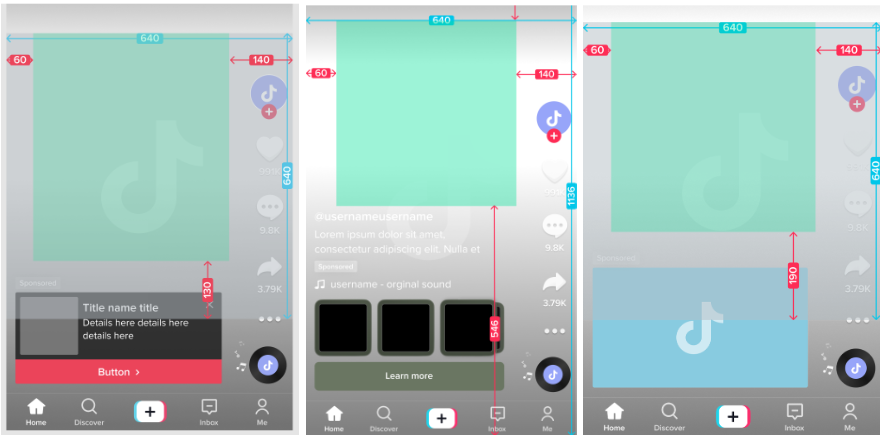
4. Make sure your feed is accurate
Everything from pricing to the product titles to the color variations should be the same on your site, the product description pages and the ads.
Design tips for TikTok catalog ads
TikTok Catalog Ads can appear as carousels or videos, and each format needs a slightly different design approach. Here’s how to make them work regardless of which format you choose.
For carousel ads
- Keep image quality high
Use clean, well-lit product images with minimal clutter. Avoid stocky or overly edited shots. The more ‘real,’ they look, the better. - Use consistent backgrounds
While variation is fine, consistency in background style helps the carousel feel cohesive and polished. - Highlight different angles or features
Use each slide to show off a different view, feature, or use case. Do not repeat the same image across slides. - Include short, bold text overlays
Use benefit-driven captions like ‘Under $1,000’ or ‘30% off today only' to drive conversions.
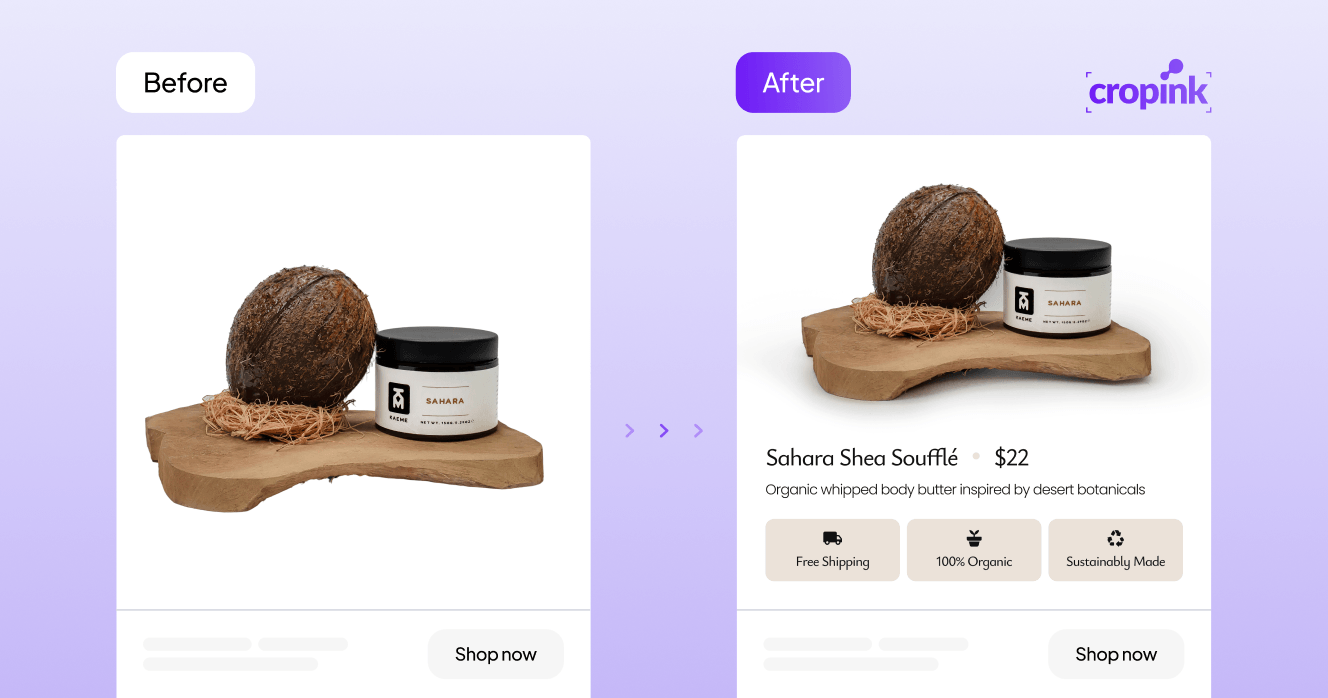
As you can see, the before picture doesn’t do much to inspire the shopper to choose you. But in the second example, they have plenty of reasons to choose you. This is how you make your TikTok catalog carousels more compelling.
Here’s another example for when you want to elevate your carousel design but still keep the shopper’s focus on your product.
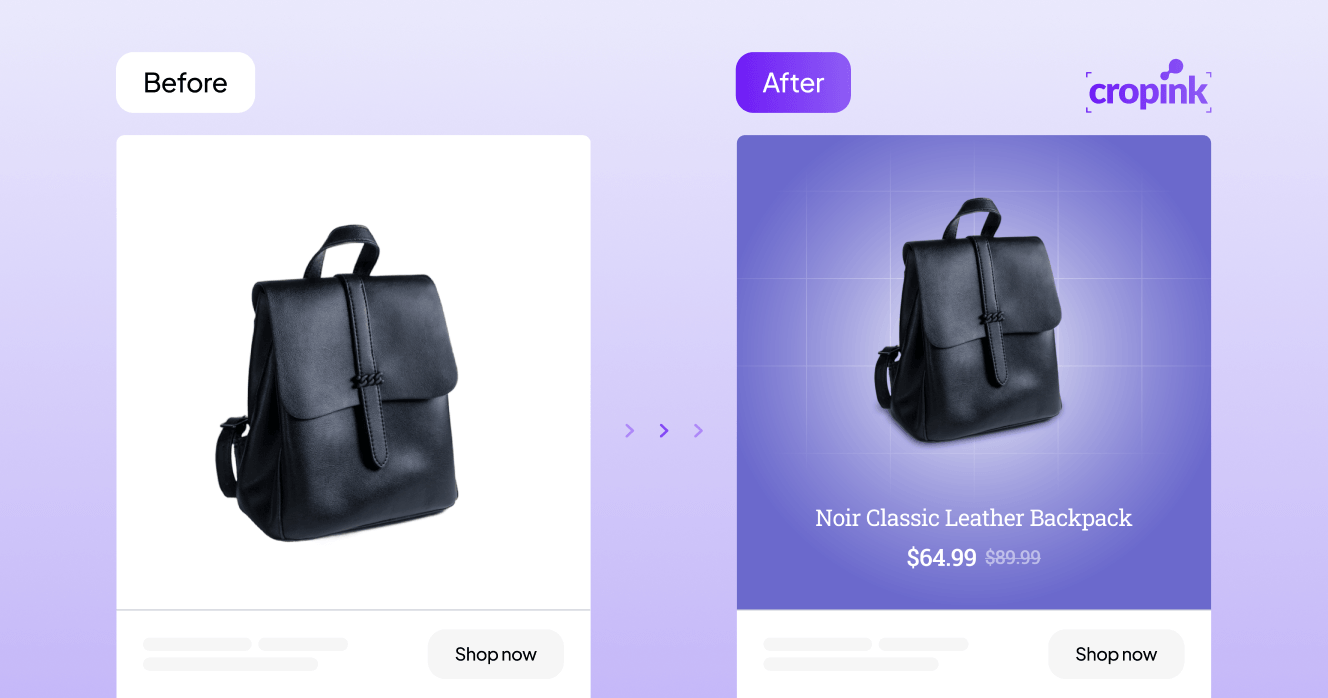
If you want more control over how your catalog images appear, from background consistency to branded overlays, we recommend Cropink. It will automatically enrich your catalog images with better backgrounds, price and discount badges, unique selling points, and shipping information so they not only stand out, but also convert.
For single video or catalog videos
- Use vertical (9:16) format only
TikTok is made for full-screen video. Horizontal formats don’t fit and will hurt performance. - Show the product in action
If it’s wearable, demo it. If it’s tech, show how it works. - Use trending audio
Use popular songs or TikTok sounds to blend with organic content and increase conversion performance. - Leave room for add-ons
TikTok places product cards or tiles below the video. Avoid putting important visuals or text in the bottom 20% of the screen. - Use dynamic templates smartly
TikTok offers video templates that auto-generate from your product catalog. Customize these lightly to match your brand, but let TikTok handle the heavy lifting. If you use Cropink’s product feed, you’ll have more control over the branding of your product images in your catalog video ads.
TikTok catalog ads examples
Here are three main examples of catalog ads you can run on TikTok.
Catalog listing ad for search-style browsing
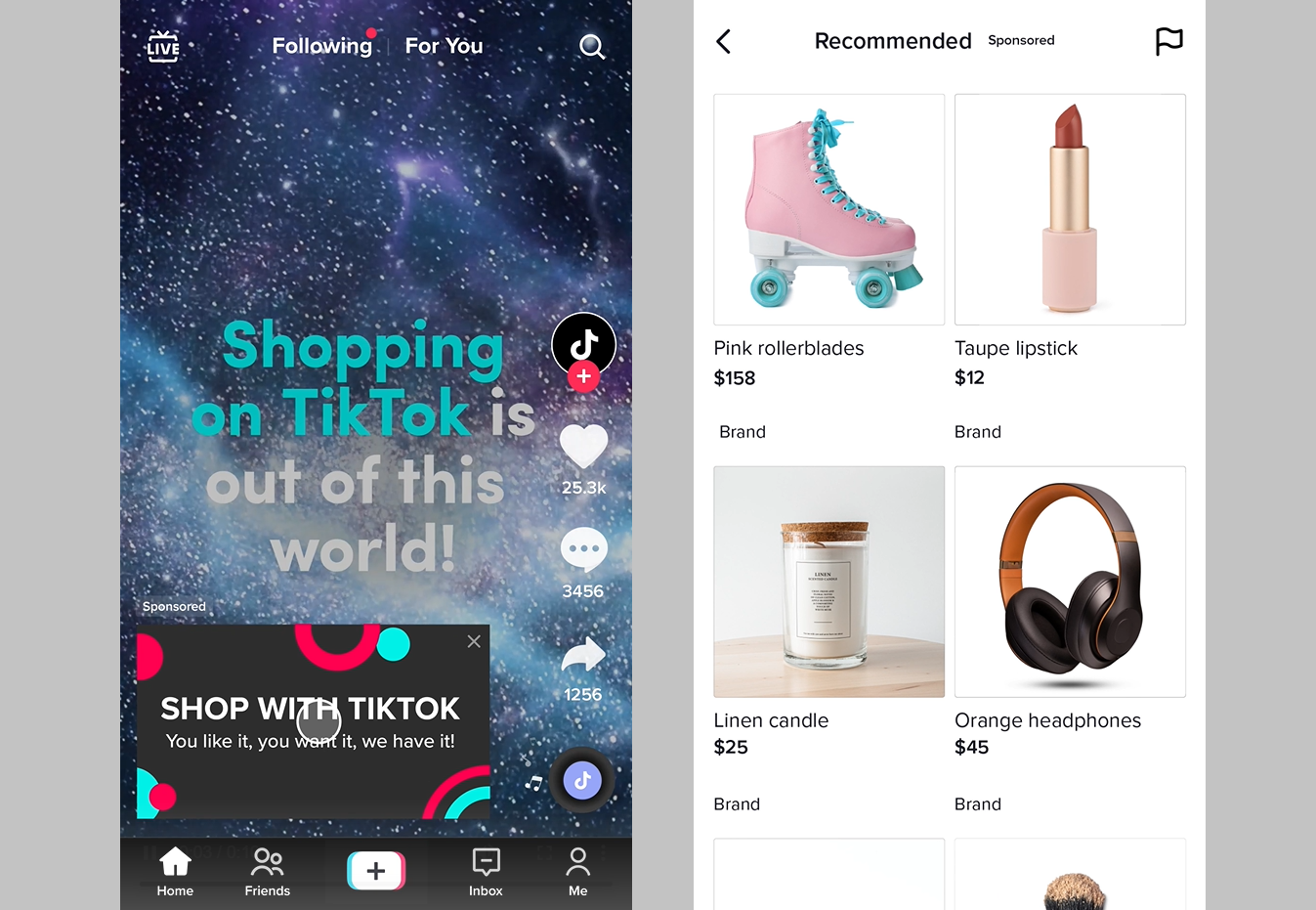
With this ad format, shoppers can browse multiple products from a store. They’re best used when the shopper is comparing products and needs to scan price, image, and category quickly.
Single video ad with catalog add-ons.
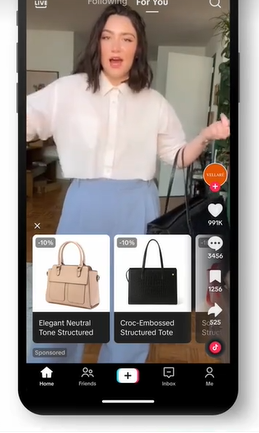
Example of a single video TikTok Catalog ad.
This ad is best used when you already have a performing TikTok-style video and want to connect it to product clicks.
Auto-generated catalog video for scale.
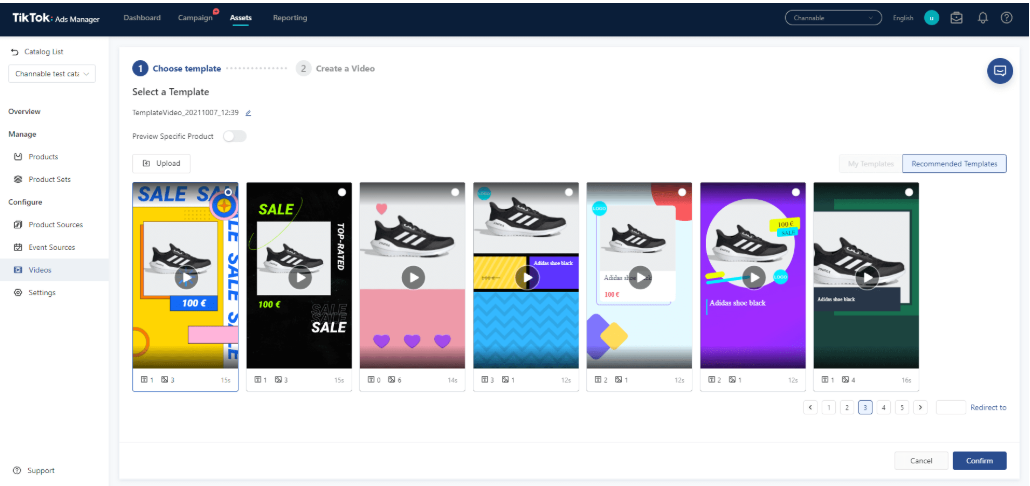
Example of TikTok videos created from your catalog.
They are best when you have a large feed and want broad product coverage without shooting custom video for every SKU.
On TikTok, the feed is not just backend data. It shapes the ad people actually see. If your product titles, images, prices, and promo signals are messy, Smart+ has less to work with, and the creative gets weaker before delivery even starts.

CEO at Cropink & Feedink
Common TikTok catalog ad mistakes
Watch out for these four common issues when creating catalog ads on TikTok.
Uploading a feed without checking the Catalog Manager
Once your feed is live, it's easy to assume everything looks good. However, the Catalog Manager often flags issues like missing prices, broken URLs, or mismatched product IDs that you'd never catch otherwise. These errors can kill delivery and lead to disapproval or poor shopping experiences. Always audit your feed in Catalog Manager before launching any campaign.
Placing text too low in the video
TikTok places product cards, tiles, and other interactive add-ons in the bottom portion of the screen, so any text or visuals you put there will get covered. It's better to keep all critical messaging in the upper two-thirds of the frame. Use TikTok's overlay safe zone guide to check your layout before publishing.
Overloading the image with badges
Stacking too many badges makes the image feel cluttered and actually pulls attention away from the product itself. One or two benefit-driven callouts perform better than a wall of information. Let your product be the hero.
Using product titles that are too vague for search or grid placements
In listing ads and search results, the product title is often the first thing a shopper reads. Titles such as "Blue Top" or "Style 42B" tell them almost nothing. Vague titles also give TikTok's algorithm less to work with when matching your products to the right audience. Write titles that include the product type, key feature, and any relevant detail a shopper would actually search for.
Final thoughts
There's no doubt that TikTok is one channel where eCommerce and DTC brands need to advertise.
The infrastructure is already there through TikTok Catalog Ads. Now all that remains is connecting your product feed, setting up the campaigns, and nailing your targeting strategy.
However, to ensure you’re getting the most out of your TikTok Catalog ads, you must ensure that you use an up-to-date feed that’s accurate, have creative consistency with your images and ensure that product information in your ads and website or shop matches.
Cropink can help make sure that all your product images have visual and branding consistency. You can use it to add background images, show your USPs, prices and discounts, and any other information that will help you sell more and stand out.
If you need help optimizing your product images for better performance, contact Cropink today. We have a free plan to help you get started.
Go deeper into product feed and catalog ads:
- TikTok Dynamic Showcase Ads
- Instagram Catalog Ads
- Meta Advantage+ Catalog Ads
- Meta Catalog Ads
- 9x16 Aspect Ratio
- Enriched Catalog Ads
FAQs
What is catalog in TikTok ads?
A TikTok catalog is a product feed containing your inventory details (names, prices, images, URLs) that TikTok uses to automatically generate personalized, shoppable ads without you building each ad manually.
What kind of ads work best on TikTok?
Video ads in vertical 9:16 format perform best, especially when they show products in action, use trending audio, and feel native to the platform rather than overly polished or sales-focused
How to sync your catalog on TikTok?
Go to TikTok Ads Manager → Assets → Catalog → Create. From there, upload your feed using supported formats (CSV, XML, ZIP, etc.), define your country and currency, and map required fields. TikTok supports up to 20 million products per catalog.
What are TikTok catalog sales?
TikTok catalog sales refer to purchases driven through catalog ads. These automated ads pull from your product feed to show personalized and relevant products to users most likely to buy.
What’s a TikTok catalog ads template?
TikTok offers 50+ video templates that automatically generate short-form video ads using your catalog data, complete with transitions, stickers, music, and motion effects to create engaging product videos without manual video production.
What are TikTok catalog listing ads?
Catalog listing ads display multiple products from your feed in a scrollable grid format. They show up in search results and product recommendation sections.
What is the difference between Smart+ catalog ads and regular TikTok campaigns?
Regular TikTok campaigns require you to manually build creatives, set targeting, and manage delivery. Smart+ automates all of that by pulling from your catalog, generating creatives, and optimizing delivery based on what's driving conversions.
Do I need video assets to run TikTok Catalog Ads?
If you don't have videos, TikTok can auto-generate them using your product images and catalog data through Dynamic Templates or its library of 50+ TikTok Templates.
What fields matter most in a TikTok product feed?
Title, image, price, sale price, availability, product type, landing page URL, and video are the fields that most directly affect creative quality and delivery performance.
What does TikTok Catalog Manager do?
Catalog Manager is where you upload, organize, and review your product feed. It lets you create product sets, check for feed errors, and manage the product data TikTok uses to build your ads.
Where do TikTok Catalog Ads appear?
They can appear on the For You page, in search results, on product detail pages, and within livestream shopping experiences.
Can I run TikTok Catalog Ads with only product images?
No, it's best practice to include your product title, price, availability, and other attributes alongside your images. TikTok uses that data to build stronger creatives, match products to the right audiences, and improve overall ad performance.
Sources
Damaris is a Digital Marketing Specialist who writes about digital marketing and performance marketing. At Cropink, she creates data-driven content to help businesses run better ad campaigns for better performance and ROI.
Leszek is the Digital Growth Manager at Feedink & Cropink, specializing in organic growth for eCommerce and SaaS companies. His background includes roles at Poland's largest accommodation portal and FT1000 companies, with his work featured in Forbes, Inc., Business Insider, Fast Company, Entrepreneur, BBC, and TechRepublic.
Related Articles


How Can Cropink Help?
Start with Cropink is easy and free
No credit card required