Furniture Advertising: Ideas, Examples & Creative Tips
Furniture is a high-consideration purchase, which means your ads have to work harder than most. This article takes you through what makes furniture ads effective, shares real furniture ad examples, and gives you tips to create ads that get shoppers' attention.


Furniture is not an impulse buy.
According to a Radial survey, most consumers purchase when they're redecorating (28%), during promotional events (28%), or simply as needed (34%).
Only 26% buy during traditional holiday periods. As such, you have little time to influence your target audience to buy from you.
What does this mean for your furniture ads?
They need to show up at the right moment, speak to the right motivation, and remove the friction standing between a browser and a buyer.
This article breaks down what that looks like, with nine furniture ads examples and creative tips you can put to use right away.
Key takeaways
- Shoppers need to see price, delivery, and finance information in the ad itself. The fewer questions left unanswered, the closer they are to clicking.
- Trust signals, such as ratings, reviews, and UGC, help you build trust with shoppers, especially those who haven't heard of you.
- Seasonal campaigns work because shoppers are already primed to spend. Show up with the right offer at the right moment, and your ad does not have to work as hard.
Furniture ads examples from top brands
Check out these nine furniture ad examples from a couple of well-known brands and learn more about why they’re effective.
1. Promise fast or free delivery
When shoppers are spending a huge amount on a product, they’re usually anxiously waiting to see it arrive at their doorstep.
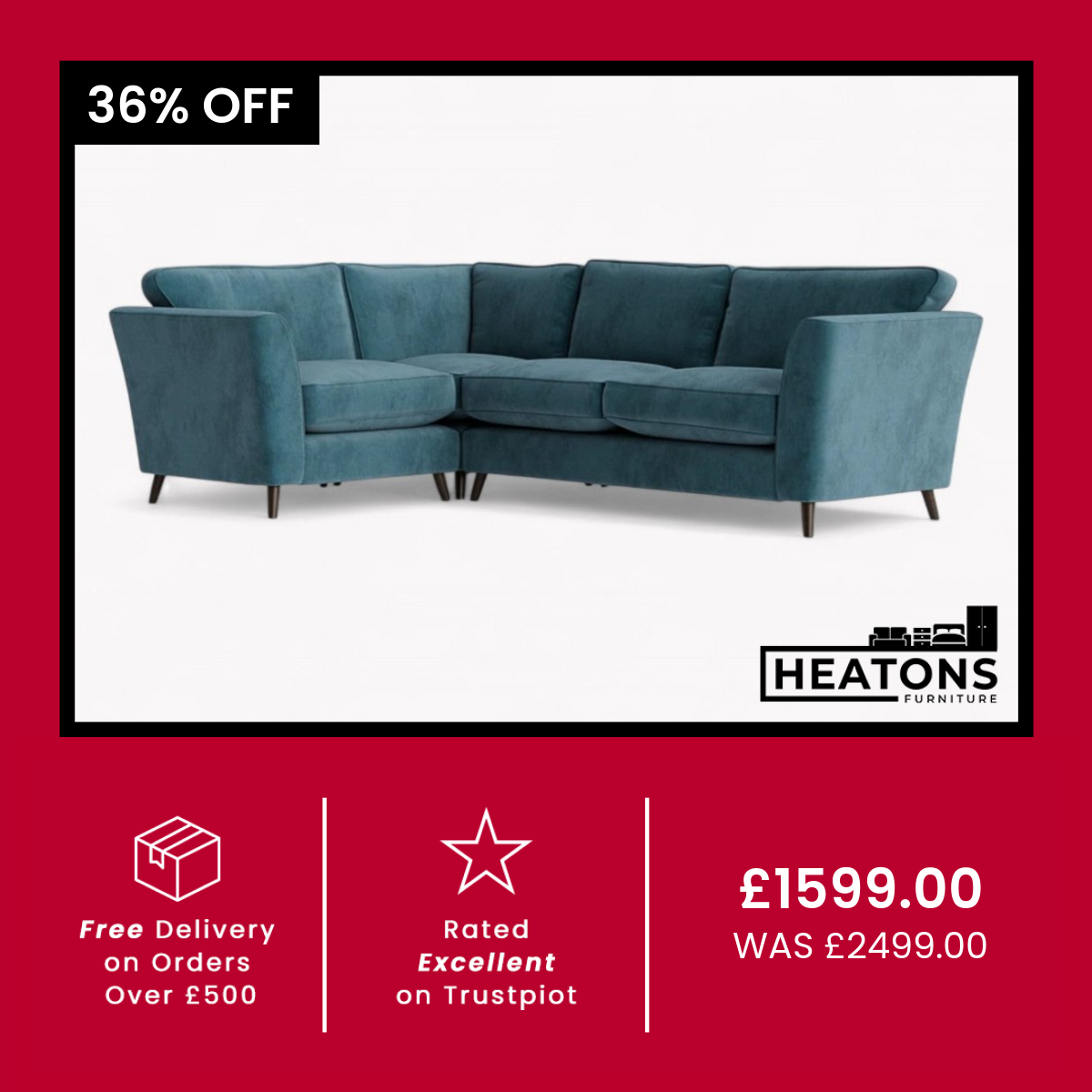
So, when you’re selling a high-ticket item like furniture, including a “Free Delivery" or "Ships in 24 hours" button in the ad creative is a sure way to ease that anxiety.
Interestingly, shoppers would rather companies bake the shipping cost into the product price than pay for it separately.
Use that to your advantage. You can also limit free delivery to orders above a certain amount, like this Heatons couch ad does, to nudge shoppers into spending more.
2. Show them others already trust you
Research shows that 70% of shoppers rarely visit new businesses without first checking online reviews.
And you can bet that the same principle applies to your ads.
If you’re targeting a shopper who has never heard of your brand, you need something to tip the scales in your favor. In this case, that's the praise other shoppers have already given you.
You can highlight the actual ad testimonial or simply show ratings from popular review sites like Trustpilot and G2.
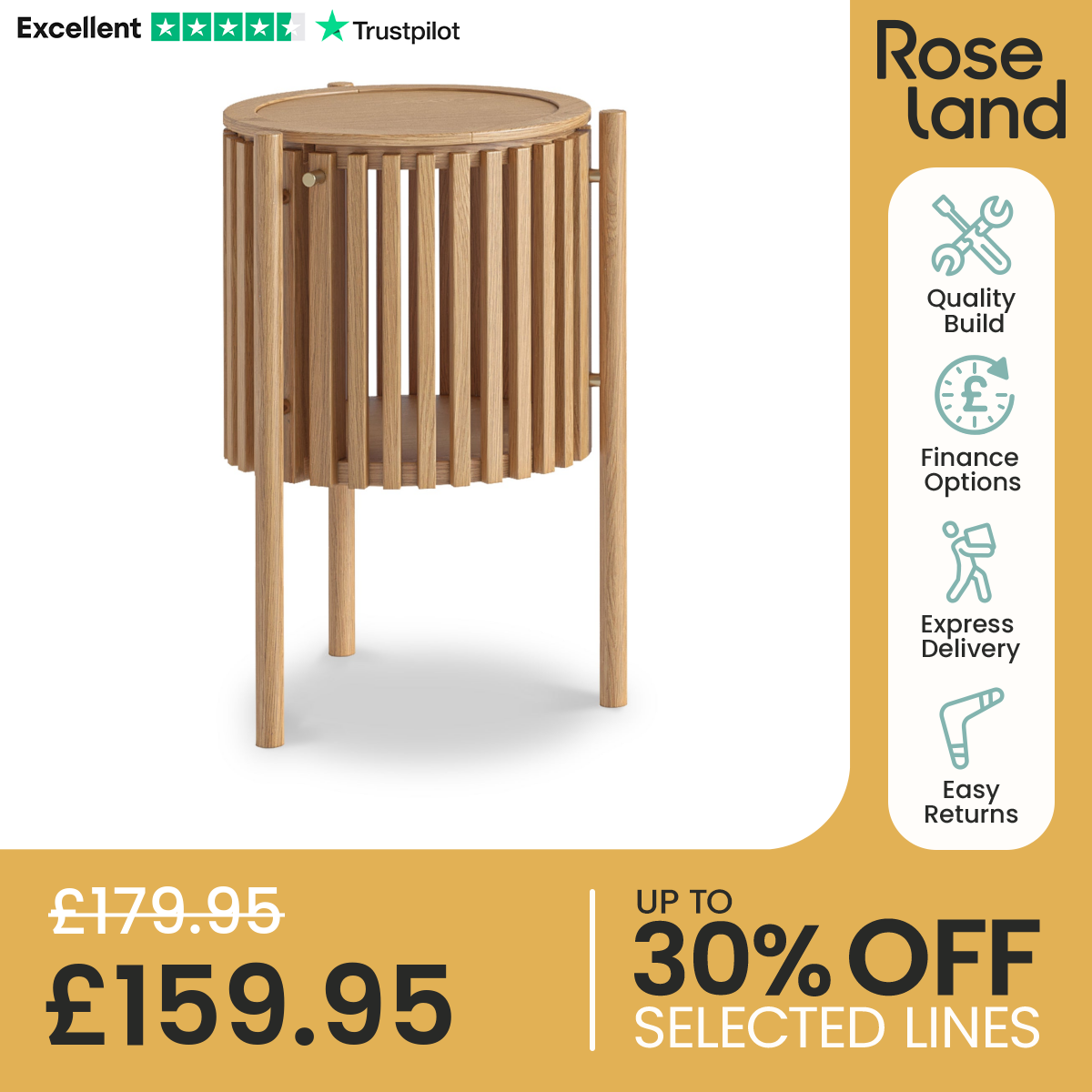
Roseland Furniture adds its Trustpilot rating, an impressive 4.5 stars, and lets that do the trust-building.
3. Help them picture it in their home
If you sell a bed, you're selling the promise of a good night's sleep in a bedroom that feels like their own.
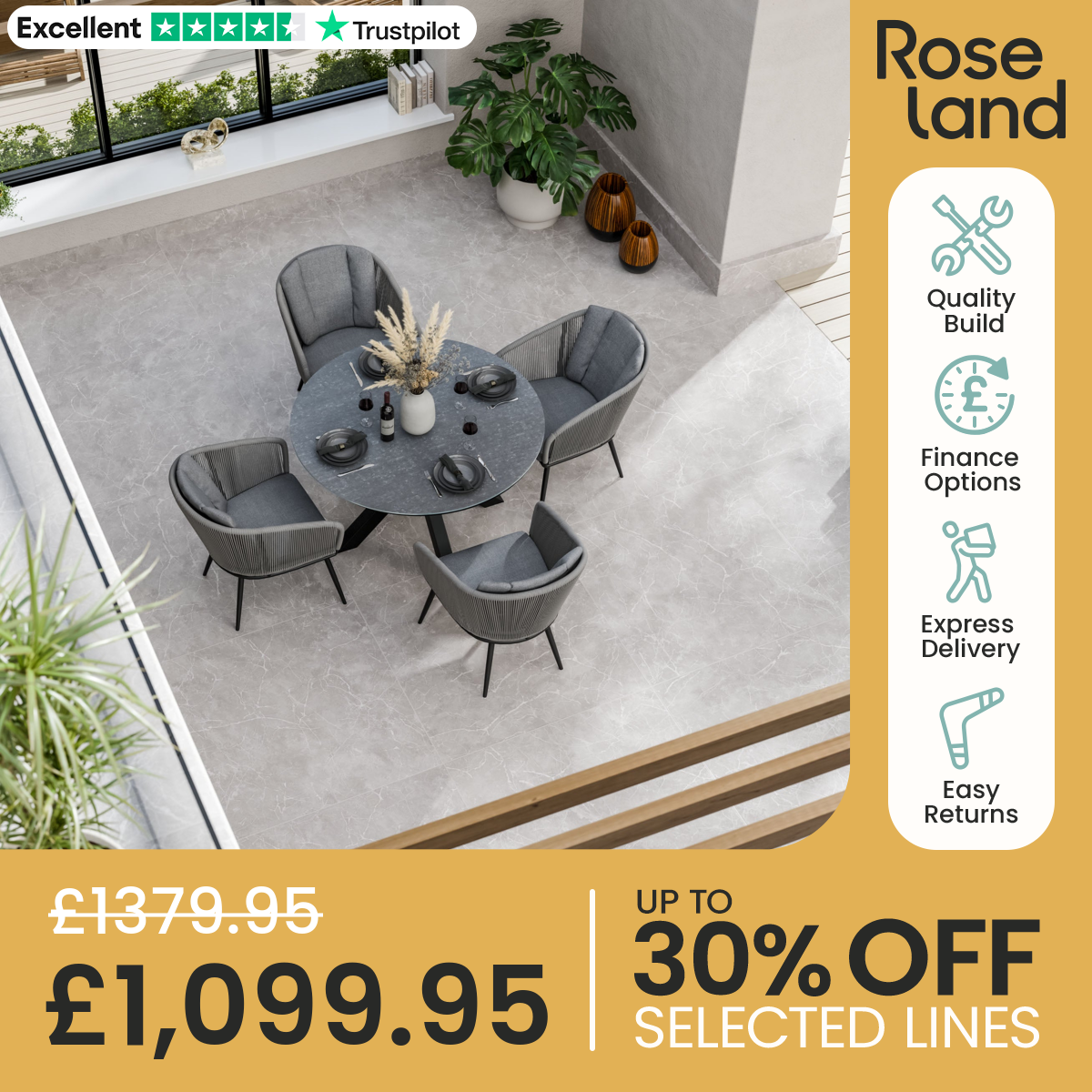
And we see Heatons and Roseland use lifestyle images in ads to sell this vision.
Rather than a plain product shot on a white background, their ads show the furniture styled in a fully decorated room, complete with natural light, complementary decor, and accessories that make the space feel lived-in.
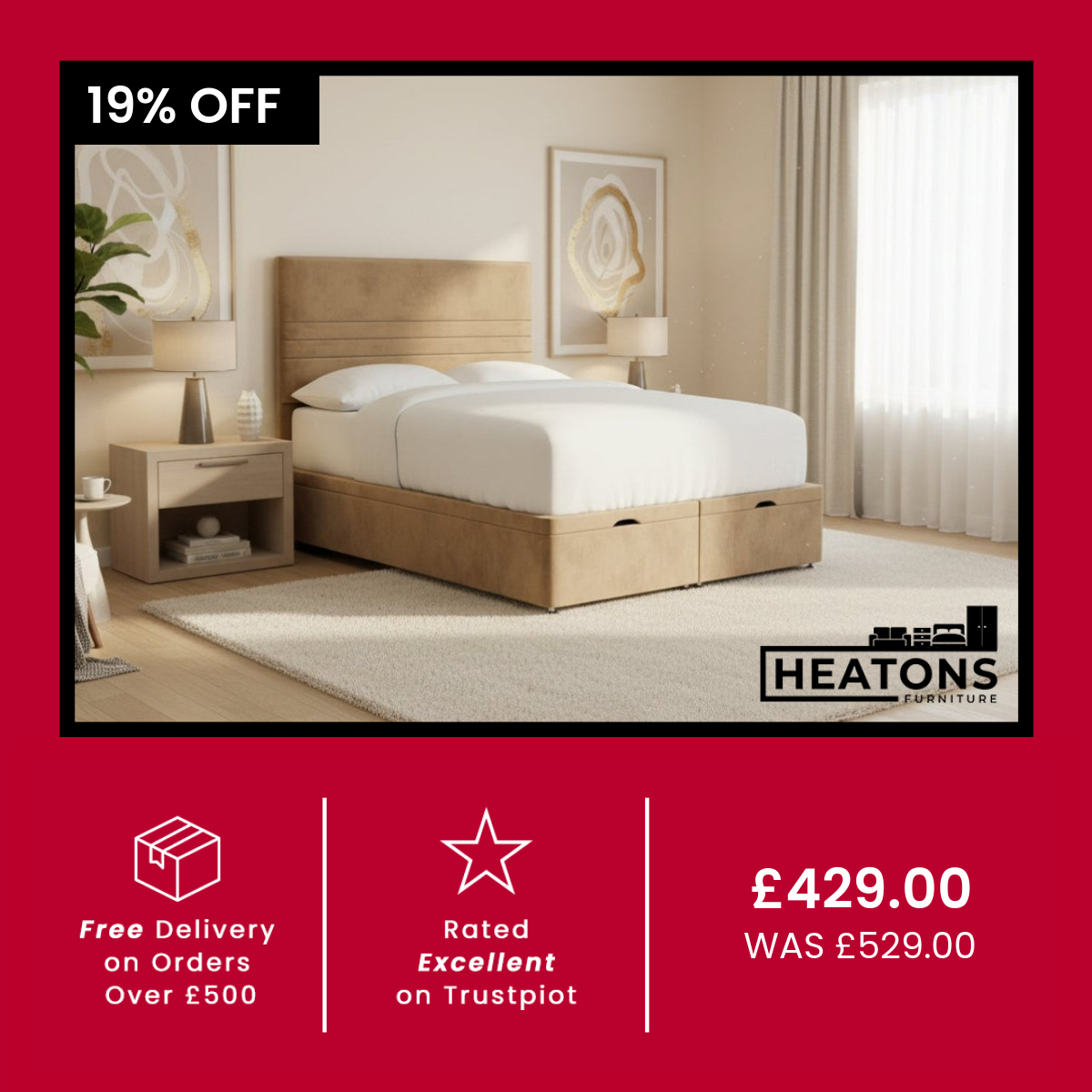
Such an image gives shoppers the context they need to mentally place the product in their own home, which is a more convincing motivator than a product image alone.
Remember, furniture is a high-consideration purchase.
Shoppers are not just evaluating dimensions and price; they are evaluating whether the piece fits their space, style, and the overall feel they want for their home. An ad that answers those questions visually brings shoppers closer to saying yes to your product.
4. A discount they can actually rationalize
According to a study published by EMARKETER, prices and discounts are two of the top factors that influence the purchasing decisions of US shoppers.
And who can blame them?
Discounts are enticing in any setting, but in a high-ticket space like furniture, they can make a shopper feel they are getting a huge bargain rather than just spending a lot of money.
Castorama's ad is a good example of how to make your discount feel impossible to ignore.
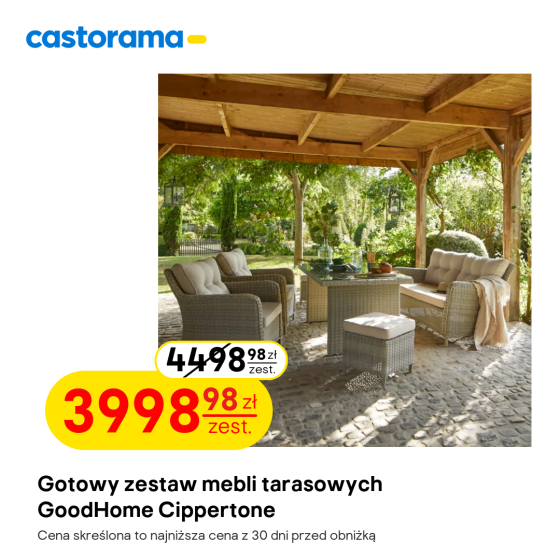
The original price sits visibly crossed out above the new price, which is displayed in a larger, bolder font. The size contrast alone draws the eye straight to the savings. The shopper can see exactly what they are getting and what they would have paid.
Making the value of the offer tangible rather than abstract is exactly what you want when you are trying to convince someone to spend over three thousand pounds on a dining set.
5. Keep the product front and center and give it some personality
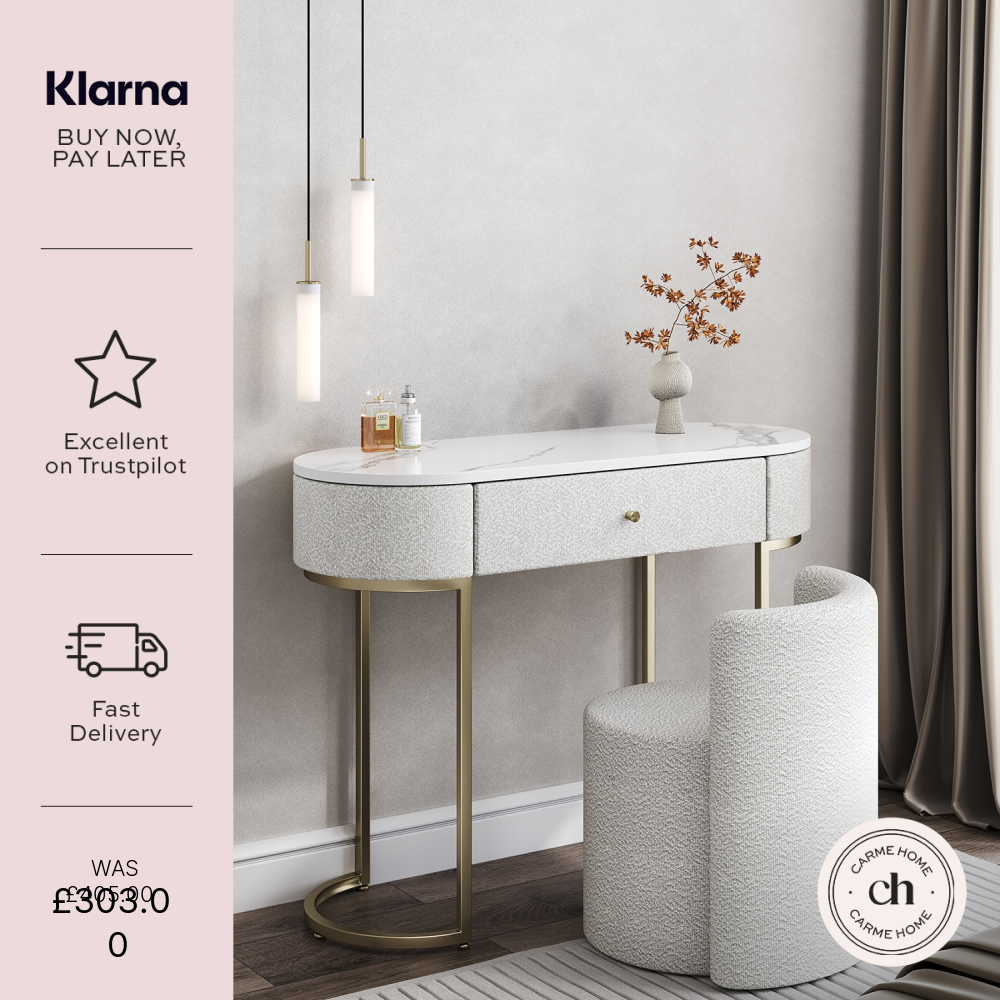
When you are selling a luxury furniture item, your product photography needs to keep up. In this Carme Home ad, the dressing table dominates the frame.
Nothing is competing for attention. The image is crisp enough that the product feels tangible.
The lighting also does two things: it makes the texture of the boucle fabric visible enough that you can almost feel it through the screen, and it shows the product in its true colors so shoppers know exactly what they are getting when it arrives at their door.
That is the personality of a product speaking for itself.
6. Highlight finance options
A £2,000 sofa feels less daunting when the ad shows a shopper that they don’t have to pay it all at once.
If that value proposition is hidden in the copy, the shopper would have just scrolled past it. However, because it’s prominently displayed in the ad image, it’s easier for them to consider purchasing the furniture.
Here’s an example of how you can highlight your financing options, such as Buy Now, Pay Later.
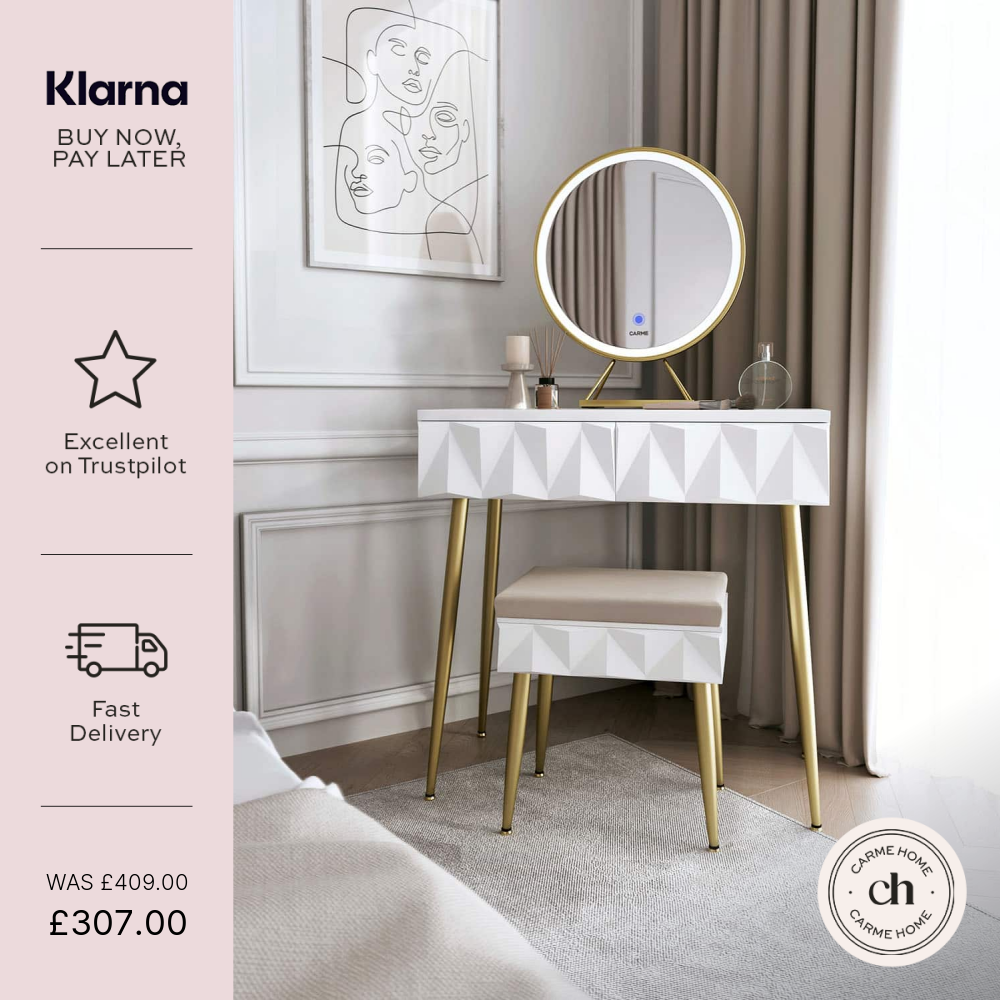
It’s the first thing shoppers see after the product image, and now they are more likely to click on the ad to learn more about the terms.
7. Use branding to build recognition
Consistent branding across channels can increase revenue by 23%. Your ads are no exception.
Especially if you are a well-known brand, adding recognizable branding elements to your furniture ads gives you an immediate advantage over a generic, brandless ad.
Why?
Eighty-one percent of people say they need to trust a brand before making a purchase. If a shopper cannot tell who the ad is from, they are unlikely to trust it enough to click.
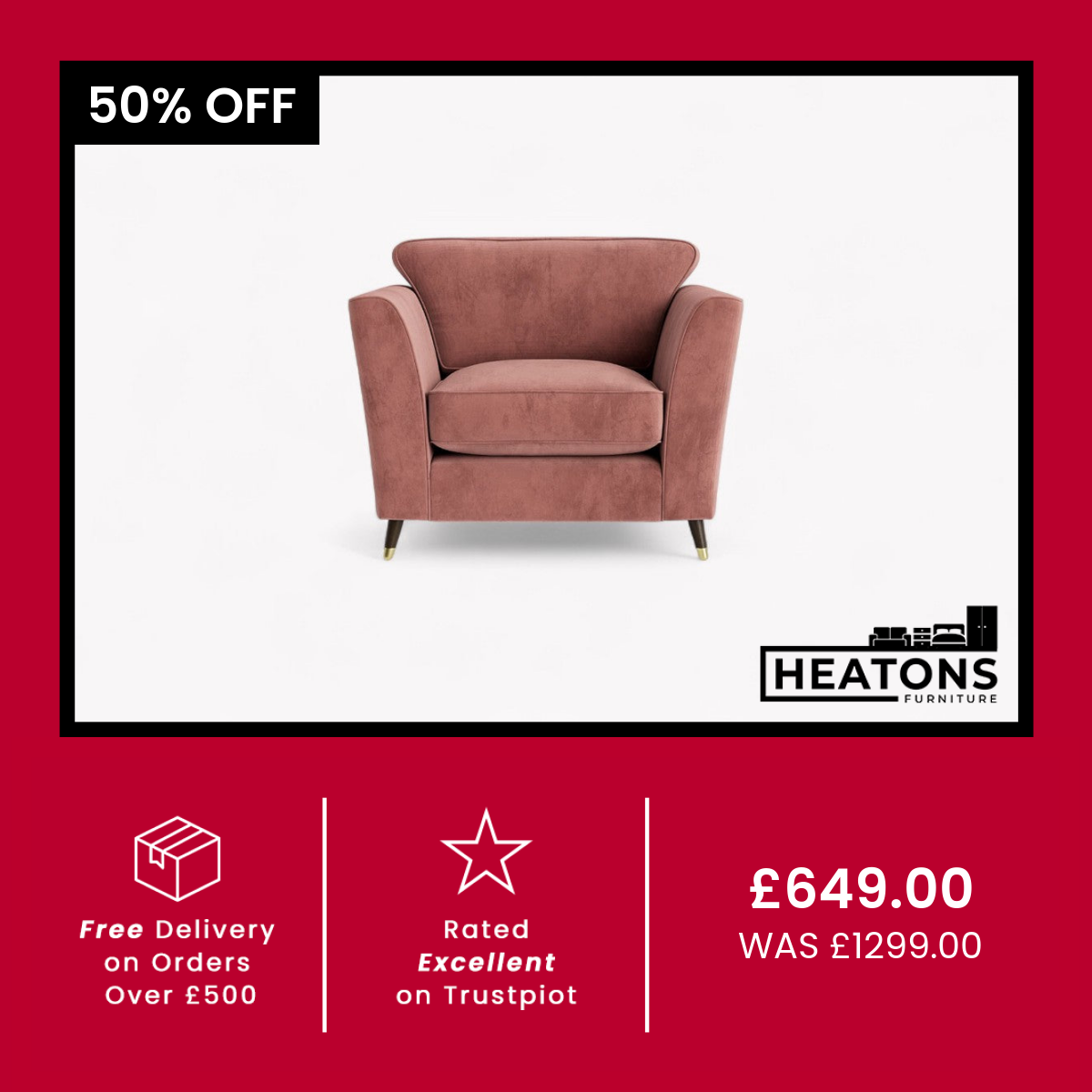
Heatons' brand colors are red and black. Look at their ad above. What do you see? Red and black, plus their unmistakable logo in the bottom-right corner.
Every element in the ad points back to the brand.
Now imagine the same ad with a white background and no logo. It could belong to anyone. It's the consistent colors, fonts, and logo placement that make your brand memorable. Over time, that familiarity creates the trust that turns a scroller into a buyer.
8. Use UGC content to make your ads more relatable
Polished product photography has its place, but sometimes the most convincing ad is one that looks like it came from a real person's home. That is the power of user-generated content.
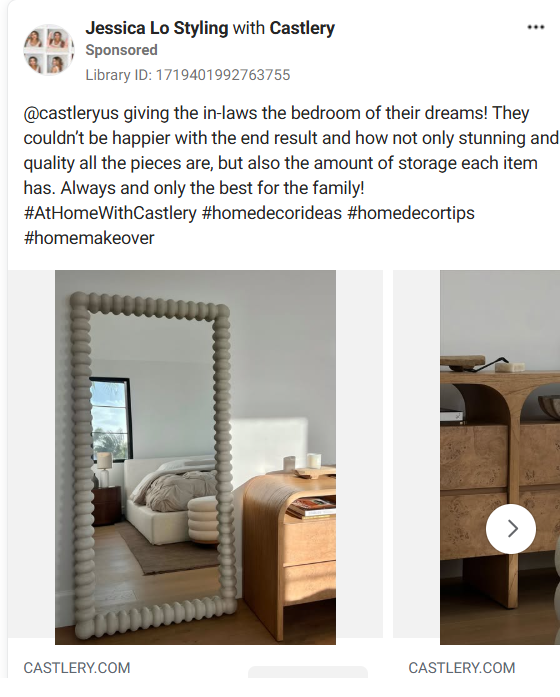
Castlery partnered with niche influencer Jessica Lo Styling to promote its furniture. The caption feels like an authentic recommendation from someone who used the product, the images show the furniture in an actual bedroom rather than a studio setup, and the whole ad feels less like an ad and more like a post you would stumble across naturally.
Shoppers trust people over brands. A UGC-style ad borrows that trust and puts it to work for your product.
9. Ride the wave of seasonal selling
Remember that statistic from earlier?
It stated that consumers make furniture purchases during promotional events and sales periods, largely because that is when the deals are. Seasonal campaigns are the perfect campaign type for that time.
This Leroy Merlin's Black Week ad leaves no room for confusion.
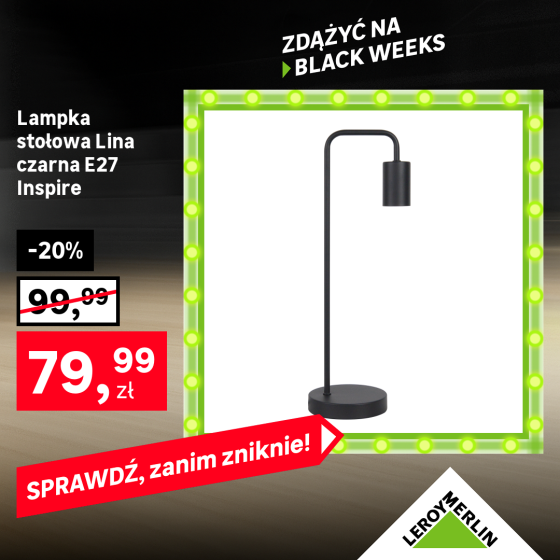
The campaign name is the first thing you see, and you immediately know it’s a Black Friday ad. The neon green border pulls the eye straight to the product, the discount is front and center, and the bottom urgency banner, "Check it out before it's gone", gives shoppers a reason to act now rather than later.
When shoppers are in deal-hunting mode, a seasonal badge, a bold discount, and a time-sensitive message are all it takes to communicate that this offer will not wait around.
Creative tips to make your furniture ads stand out
The furniture ad examples we’ve shared so far are effective because they apply these creative strategies in one way or another.
1. Show the product in context
A product on a white background tells shoppers what something looks like. A product in a styled room tells them how it fits into their life. Room settings outperform isolated product shots in furniture advertising because they answer the question shoppers are actually asking: Will this work in my home?
2. Lead with the savings
Showing how much a product was versus what it costs now makes the saving feel concrete, and shoppers respond to that far more than a standalone number. If you are running a promotion, make sure the discount is the first thing the eye lands on.
3. Match your ad to where the shopper is
A shopper seeing your brand for the first time needs inspiration.
However, a shopper who has already visited your product page needs a reason to come back and buy. Awareness ads should lean on lifestyle imagery and brand personality, while retargeting ads should lead with price, urgency, and testimonials.
4. Use urgency, but mean it
Low-stock badges, delivery cut-off times, and limited-edition labels all work because they give shoppers a reason to act now rather than save the tab and forget about it. But don't be insincere when using this tactic. Shoppers can tell when a "limited time offer" has been running for six months.
5. Keep your branding consistent across every ad
The more consistent your ads look across platforms, with on-brand logo placement, brand colors, and fonts, the faster shoppers learn to recognize you. And recognition is what eventually becomes trust.
Want to try this with your own furniture ads?
You can add all these elements to your furniture ads with Cropink, and most of the process is automated.
All that is required from your end is your product catalog and knowing which information you want to highlight. From there, Cropink creates dynamic catalog ads tailored to the buyer and their buying journey.
Final thoughts on furniture advertising
The furniture market may be a saturated niche, but if you use the strategies and examples we shared, you will be way ahead of your competitors.
A huge percentage of furniture ads show just the product, list a price, and call it a day. However, if your brand thinks about what the shopper needs to see, feel, and believe before they click, you will create better ads.
If you are ready to start producing ads that do all of this at scale, Cropink gives you the tools to create dynamic, branded catalog ads for your furniture brand.
FAQs
What type of ads work best for furniture brands?
Catalog and dynamic ads work best because they automatically pull product information and can be personalized to the shopper. Social ads on platforms like Instagram, Pinterest, and Facebook are effective for discovery and inspiration, while Google Shopping ads capture shoppers who are already searching for specific products.
How do I make furniture ads convert better?
Lead with elements that reduce hesitation. That includes visible pricing, a discount, free delivery messaging, and social proof such as ratings or reviews. Retargeting shoppers who have already visited your product page with a more direct, offer-led ad also tends to significantly lift conversions.
What should a furniture ad include?
At a minimum, it should have a product image, the price, and your brand logo. Depending on the campaign, you should also consider adding a discount badge, delivery information, a trust signal like a Trustpilot rating, and a call to action.
How often should furniture brands refresh their ads?
A seasonal refresh four times a year covers the major shopping moments, but high-performing campaigns should be monitored monthly. If click-through rates are dropping, that is usually a sign that the creative has run its course and needs updating.
Sources
Damaris is a Digital Marketing Specialist who writes about digital marketing and performance marketing. At Cropink, she creates data-driven content to help businesses run better ad campaigns for better performance and ROI.
Leszek is the Digital Growth Manager at Feedink & Cropink, specializing in organic growth for eCommerce and SaaS companies. His background includes roles at Poland's largest accommodation portal and FT1000 companies, with his work featured in Forbes, Inc., Business Insider, Fast Company, Entrepreneur, BBC, and TechRepublic.
Related Articles

How Can Cropink Help?
Start with Cropink is easy and free
No credit card required