How to Create a Successful Makeup Advertisement in 2026
Learn how to create a successful makeup advertisement in 2026. Fenty Beauty earned $100 million in just 40 days. Maybelline’s TikTok ads reached 400 million views. Discover proven ad strategies, storytelling tips, and how Cropink helps brands scale creative fast.


In 2026, standing out with a makeup advertisement is tougher than ever. The global cosmetics market is projected to reach $480 billion this year, with brands launching thousands of ads across TikTok, Instagram, and YouTube.
Consumers no longer find value in watching video ads if they don’t have to. In fact, 100% of respondents said they will always skip ads when given the chance.
So how do you break through the noise?
This guide will show you how to create a makeup advertisement that captures attention, builds trust, and drives results using proven creative strategies.
Key takeaways
- Emotion drives action. According to Harvard research, 95% of purchasing decisions are made subconsciously, meaning makeup advertisements that evoke emotion—like confidence, empowerment, or self-expression, are far more persuasive than those that simply list product features.
- Representation converts. Fenty Beauty’s inclusive campaign featuring 40 foundation shades generated $100 million in just 40 days, proving that authentic diversity in makeup advertisements builds trust, drives sales, and fosters long-term brand loyalty.
- TikTok isn’t optional. Maybelline’s #SkyHighMascara campaign reached over 400 million views and sold one unit every three seconds, showing that creator-led, platform-native content on TikTok is one of the fastest ways to boost visibility and conversions.
- Education equals engagement. With 72% of consumers preferring to learn through video, beauty brands that create quick tutorials, application tips, and product demos build credibility, increase retention, and reduce post-purchase dissatisfaction.
- Storytelling builds loyalty. Rare Beauty’s purpose-driven storytelling not only highlighted its products but also promoted emotional wellness, proving that authentic narratives in makeup advertisements create stronger community bonds and repeat customers.
What is a makeup advertisement?
A makeup advertisement is more than just a way to sell lipstick or mascara. It's a carefully crafted message designed to spark emotion, show transformation, and connect with a viewer's self-image.
In 2026, where ad fatigue is real and attention spans are shrinking, a successful makeup ad must blend beauty with purpose. It should tell a story and deliver value in seconds.
Whether it appears as a catalog ad, an influencer reel, or a YouTube pre-roll, every successful makeup advertisement communicates more than product specs. It conveys a feeling, a vision, or a moment that the consumer wants to experience for themselves.
These ads act as a mirror for the audience, helping them imagine their best selves. In fact, the most effective beauty ads blur the line between promotion and aspiration, positioning the product not as a solution, but as an extension of the viewer’s lifestyle or identity.
A great makeup ad also reflects brand values, inclusivity, authenticity, or innovation. For consumers, it’s not just about what the product does. It’s about what the product means to them.
Why makeup advertisements influence emotions and behavior
Makeup advertising isn’t just about looking good. It’s about making people feel something real.
When someone applies a bold red lip or defines their brows, they’re not only enhancing features. They’re expressing identity, mood, and confidence.
According to Harvard’s Gerald Zaltman, 95% of purchasing decisions are made in the subconscious mind. This means most buyers respond emotionally, not rationally.
Emotional resonance shapes everything from brand recall to buying intent. When an ad tells a story viewers relate to, it becomes more than an ad. It becomes a mirror.
In fact, 56% of consumers say they enjoy knowing the story behind a brand. This storytelling element helps foster loyalty and human connection.
Relatable stories convert better than polished features alone. Seeing someone with similar struggles and goals using a product builds trust instantly.
Consumers also care about alignment. 59% of U.S. shoppers choose products they believe are better for their health, and 38% actively choose sustainable brands.
These decisions aren’t purely logical. They reflect how a brand makes someone feel, safe, seen, or supported.
Brands that focus only on features risk feeling generic. But those that lead with emotional insight build communities, not just conversions.
77% of consumers will stop buying from brands they feel have misled them, especially around values like sustainability. Trust and emotion are intertwined.
In today’s crowded market, features may draw attention. But it’s the feeling that earns loyalty.
5 essential elements of a successful makeup advertisement
These are the non-negotiables, the core components of every makeup ad that performs well in 2026.
1. Clear and captivating visuals
Makeup is visual by nature, so your ad must instantly showcase color, texture, and finish.
Strong lighting, clean product shots, and expressive faces work best. MAC Cosmetics often uses extreme close-ups to highlight foundation coverage and skin glow.
Visual quality directly impacts trust. If your ad feels polished, consumers perceive the product as high-quality. Blurry, flat, or overly filtered content can diminish perceived value.
Consistency across color schemes, product lines, and model expressions also strengthens brand recall.
This is especially true in catalog ads, where your creative is the first impression. A well-composed image can be the difference between a scroll and a click.
| Best Practice for Makeup Visuals | Why It Works |
|---|---|
| Natural or studio lighting | Shows true product color and texture |
| Clean, clutter-free backgrounds | Keeps focus on the product |
| Close-up shots of skin or application | Builds trust through detail |
| Brand-consistent color palette | Strengthens brand recognition |
| Product name and price displayed clearly | Gives key purchase info at a glance |
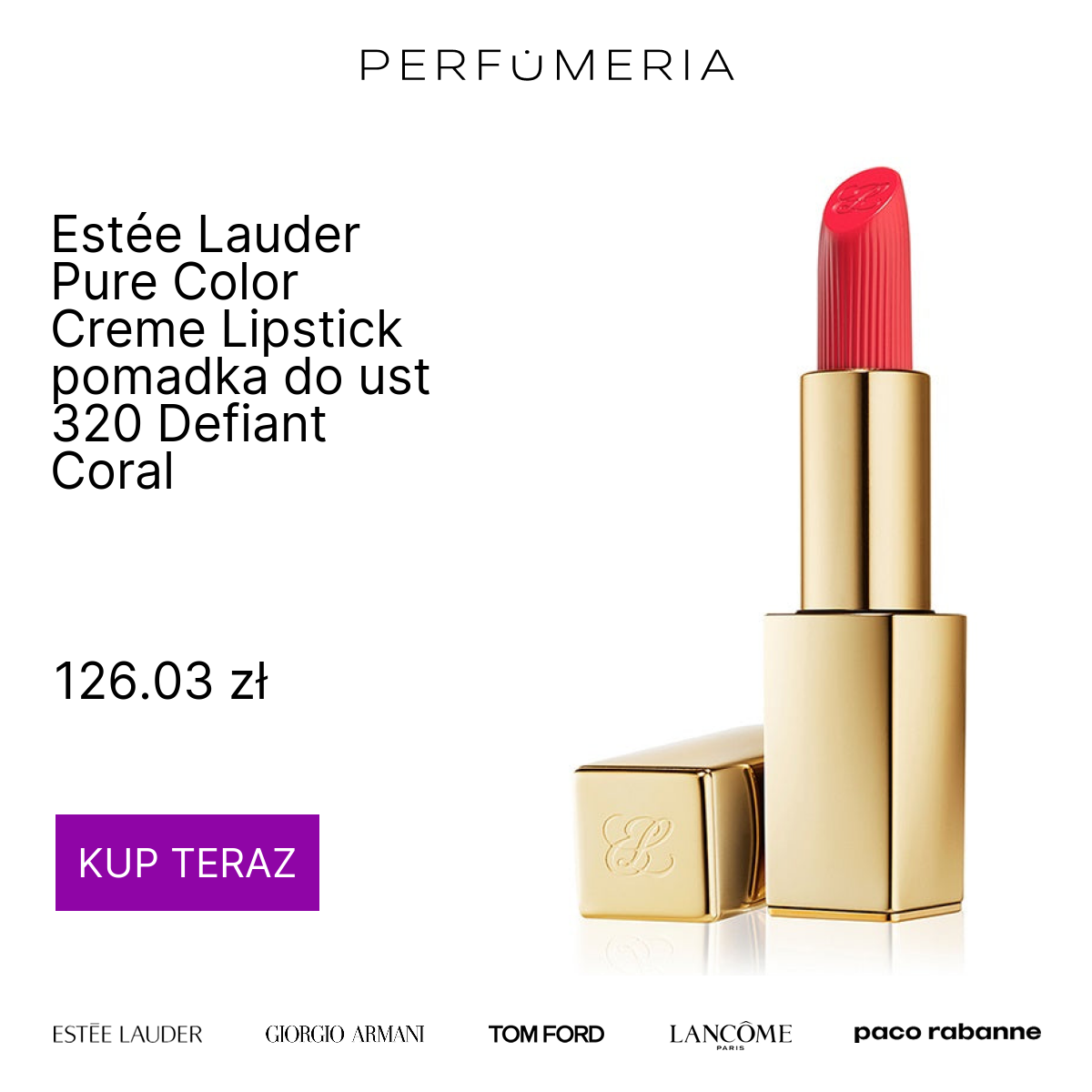
The Perfumeria catalog ad above is a clean example of visual hierarchy done right.
The lipstick is isolated on a white background so the gold packaging and coral color read immediately.
The store logo sits at the top, partner brand logos anchor the footer, and a bold CTA button closes the layout.
Brands building catalog ads in Cropink can replicate this structure by applying their logo placement, brand color palette, and CTA style once across a template, then letting the tool populate it automatically for every product in the feed.
2. Emotional or aspirational storytelling
Makeup ads that stick often tell a micro-story: a transformation, a moment of confidence, or a personal breakthrough.
Rare Beauty's 'You Are Rare' campaign shows real people embracing imperfections, and the brand soared because of it.
Storytelling adds context.
Instead of saying 'This blush makes you glow,' a story can show a person feeling nervous before a big event, applying the blush, then walking in with confidence. In under 30 seconds, you have sold more than a product.
You have sold a possibility.
These stories do not have to be elaborate.
Even subtle narrative arcs can elevate an ad from forgettable to unforgettable. Brands must be careful, though.
Exaggerated claims or overproduced narratives can result in misleading advertising, which damages credibility and consumer trust.
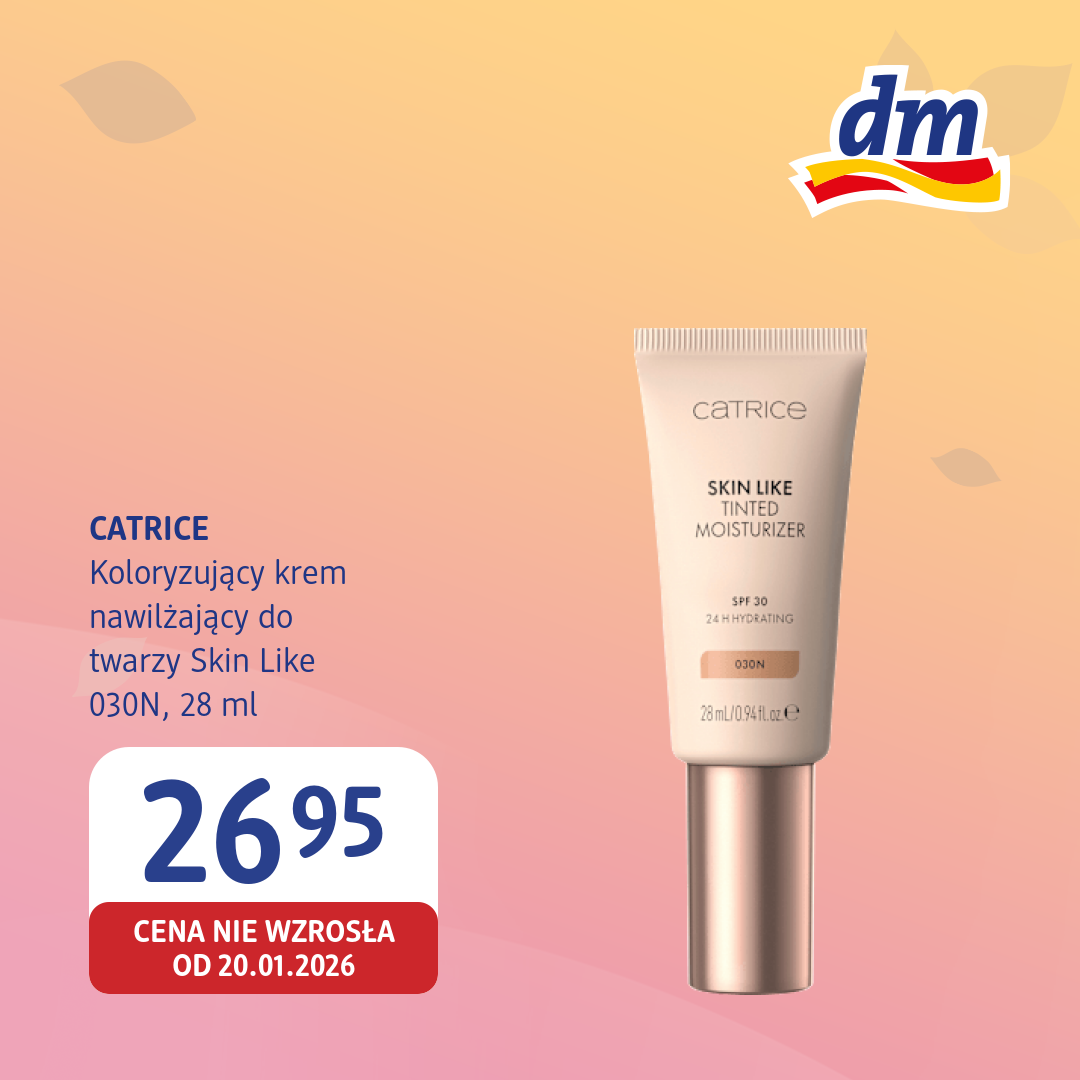
This DM catalog ad for Catrice Skin Like Tinted Moisturizer tells its story entirely through design.
The badge reading 'price unchanged since January 2026' communicates brand honesty without a single line of copy.
The warm gradient background reinforces the natural skin story of the product, and the shade swatch on the pack tells buyers exactly what they are getting.
In Cropink, you can add custom message overlays like this across your full catalog using dynamic badge fields, so every ad carries the right trust signal for that product without manual edits.
3. Educational value through tutorials or tips
Audiences crave value. 72% of consumers prefer learning about products via video. Quick tips like 'how to get the perfect winged liner' do more than sell.
They teach, build trust, and keep users watching.
When consumers feel informed, they are more likely to make confident buying decisions. Educational content also reduces returns and complaints.
A viewer who understands how to apply contour properly is more likely to love the result.
| Educational Format | Platform Fit |
|---|---|
| Step-by-step mini tutorials | Instagram Reels, TikTok |
| Product demos with voiceover | YouTube Shorts |
| Swipe-through carousel tips | Instagram, Pinterest |
| Influencer how-to integrations | Stories, Reels |
| Catalog ads with ingredient callouts | Facebook, Instagram, Google Shopping |
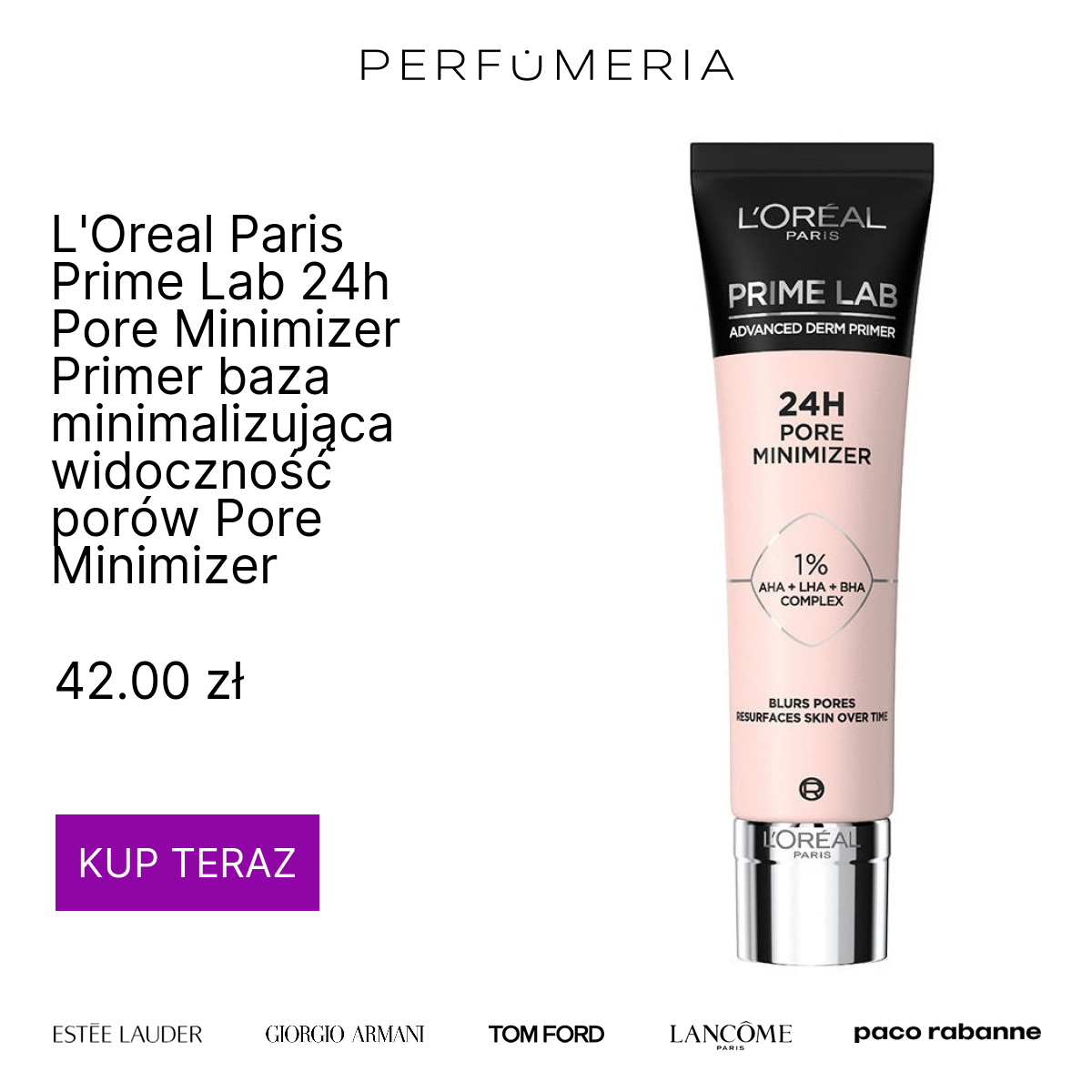
The L'Oreal Prime Lab ad above shows how educational value works in a static catalog format. The '1% AHA + LHA + BHA Complex' and 'Blurs Pores / Resurfaces Skin Over Time' copy visible on the pack answer the buyer's key question before they even click.
The '24H' benefit is baked into the product name itself.
When building catalog ads in Cropink, you can pull fields like key product feature, product benefit, and composition directly from your product feed and display them in the ad template automatically, so every SKU gets the right educational callout without writing copy from scratch.
4. Music and sound that set the tone
Sound shapes emotion. A soft melody might promote skincare calm, while a high-energy beat energizes a bold lip launch.
Nielsen reports that ads with music perform 20% better in terms of recall and emotional engagement.
Sound is not just background. It is an emotional anchor. Use music to signal mood (relaxed, empowering, bold), emphasize transformation with a beat drop, and match current audio trends on TikTok.
Brands like e.l.f. leveraged their 'Eyes Lips Face' sound to dominate TikTok. They did not just buy attention. They created a cultural moment.
5. Social proof and testimonials
Shoppers trust people over brands. Highlight real users, before-and-after results, or influencer reviews to create credibility. 93% of consumers say online reviews influence their decisions.
Social proof makes beauty claims believable.
Seeing a real person talk about their results validates the product in ways no branded headline ever could. Delivering a review from someone with the same skin tone or concern as the viewer is conversion gold.
To boost trust and relatability, try micro-influencers with niche audiences, real customer video reviews, and UGC.
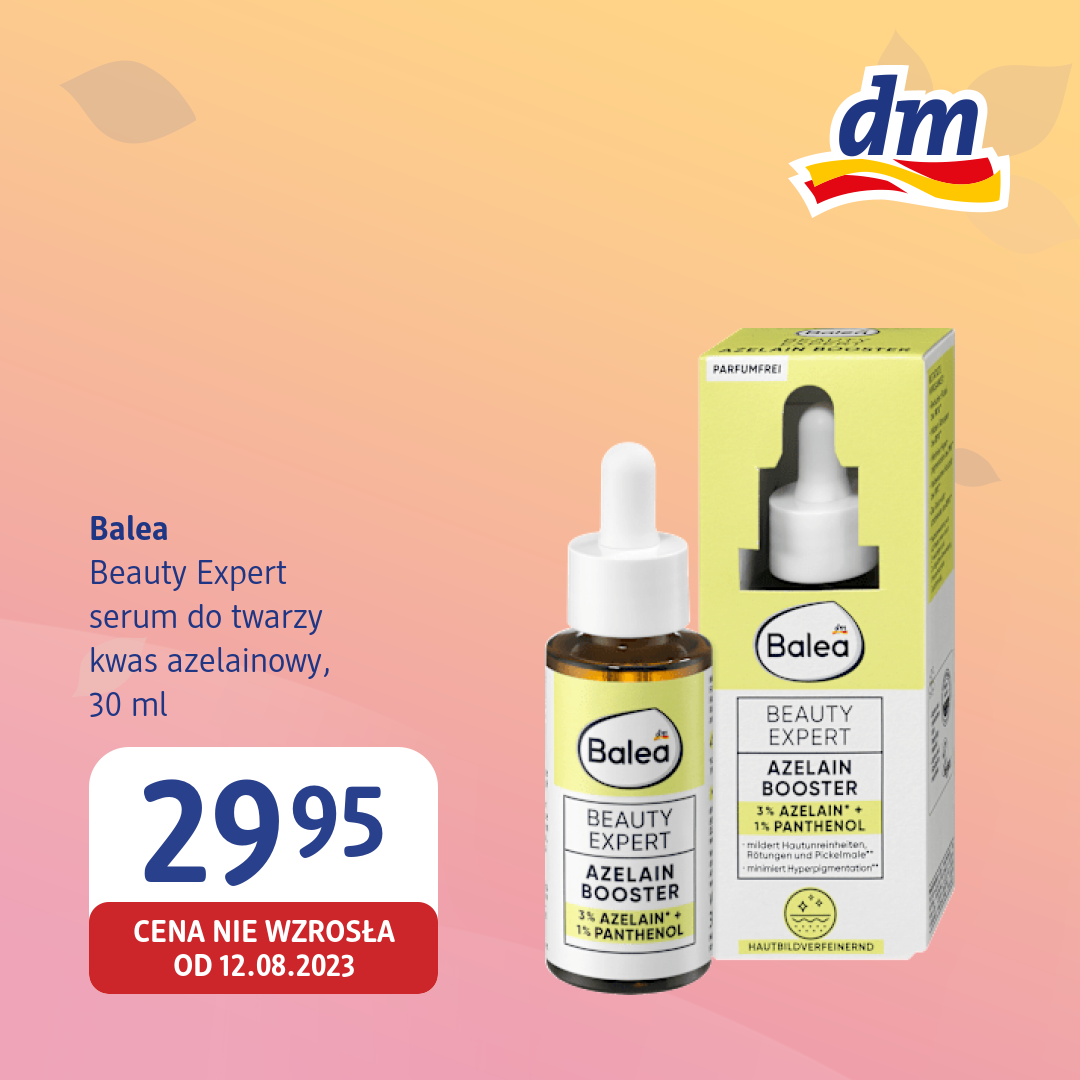
The Balea Beauty Expert catalog ad from DM is a good example of social proof built entirely into the design.
The badge showing the price has not changed since August 2023 is a stronger trust signal than most customer quotes.
The ingredient callout on the pack, 3% Azelain and 1% Panthenol, validates the product formula for buyers who know what they are looking for.
Cropink lets you add social proof overlays like Bestseller, Dermatologically Tested, or custom price lock messages dynamically across your catalog using conditional rules, so the right badge shows up on the right product every time.
Real-world examples of successful makeup advertisements
To understand what makes a makeup ad truly effective, let’s look at three standout campaigns.
Each of these not only grabbed attention but also delivered measurable business results by combining emotional resonance, smart strategy, and platform-native execution.
Fenty Beauty: Inclusive marketing with global impact
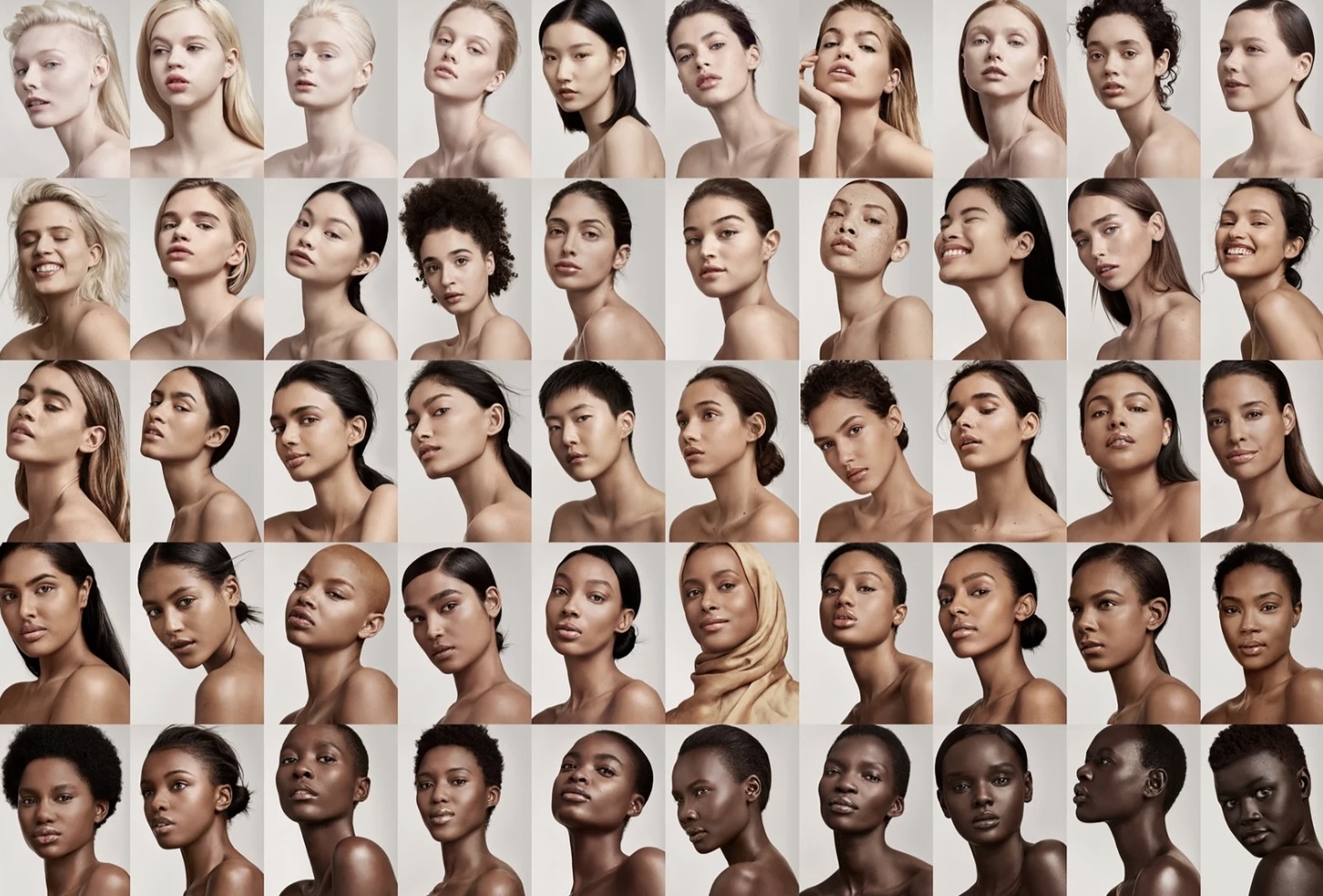
Fenty Beauty redefined what inclusivity in beauty could look like. Instead of treating diversity as a trend, it embedded inclusivity into every part of its brand DNA.
The launch included 40 foundation shades from day one (later expanded to 50), making people from underrepresented skin tones feel seen and celebrated.
This wasn’t just representation, it was recognition. The campaign resonated because it wasn’t just visual diversity, but emotional and product alignment.
What they did
Fenty focused on showcasing real people of all skin tones, genders, and backgrounds. Its video content featured raw, empowering language and behind-the-scenes footage. Rihanna’s involvement made the message authentic. Social media played a major role, where influencers and users shared their own transformations. Hashtags like #FentyFace amplified user-generated content.
The result
The campaign drove $100 million in revenue in the first 40 days and became the most successful beauty brand launch on YouTube at the time. It also triggered a ripple effect across the industry, now known as the “Fenty Effect”, prompting major competitors to expand their own shade ranges. More than revenue, Fenty gained cultural relevance, becoming a case study in emotional branding.
Brands using tools like Cropink’s enriched catalog ad templates could similarly customize campaigns for multiple skin tones, showcasing inclusive visuals and messaging dynamically without starting from scratch each time.
Try Cropink’s Inclusive Ad Templates
Maybelline: TikTok virality through influencer-led demos
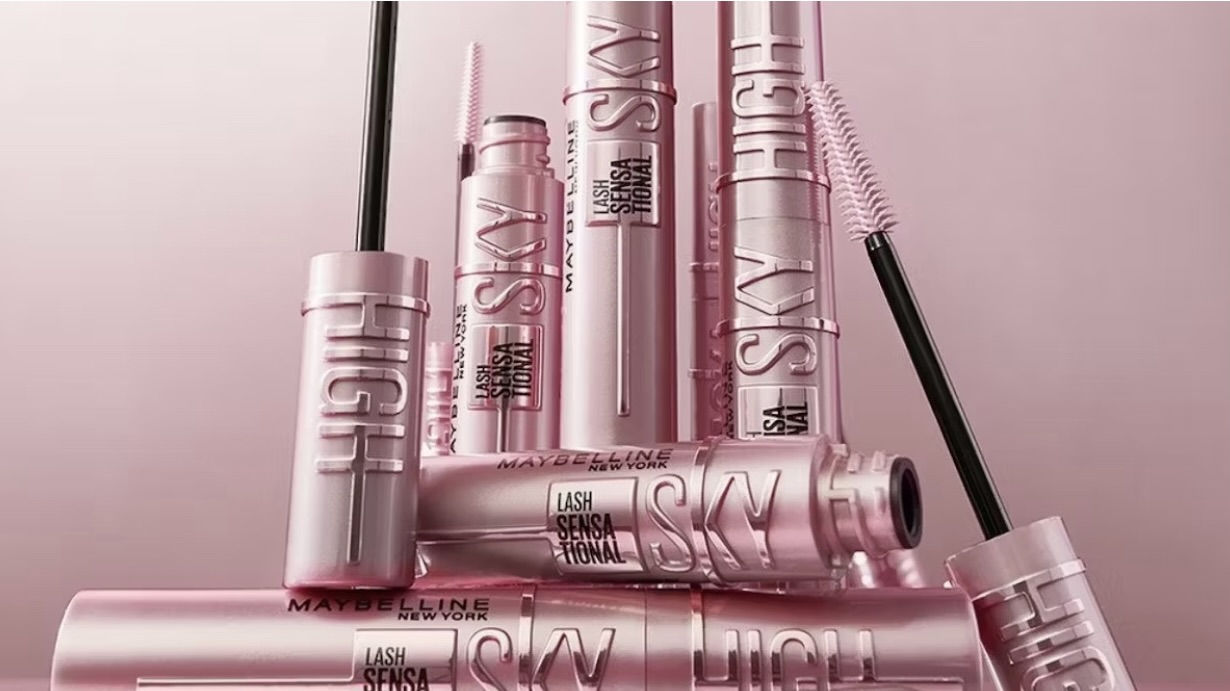
Maybelline didn’t rely on legacy brand awareness. Instead, it embraced the TikTok ecosystem on its own terms, creating fast, creator-first content.
The standout element was its trust in micro-influencers and UGC, which allowed real people to drive the narrative. It wasn’t about glossy visuals, it was about real reactions and real results.
What they did
The brand launched its Sky High Mascara through short-form TikTok videos featuring dramatic lash transformations. Rather than leading with celebrities, it partnered with everyday creators, allowing them to showcase authentic use and results.
It quickly engaged trending sounds and activated a hashtag challenge (#SkyHighMascara). Maybelline also coordinated with retail to ensure fast stock replenishment as the product began to sell out.
The result
Over 400 million views on TikTok, and one unit of Sky High Mascara was sold every three seconds at peak. It became Amazon’s top-selling beauty product and one of the brand’s best-selling SKUs to date.
The success proved that even established brands could stay agile by leaning into fast, platform-native storytelling.
Rare Beauty: Purpose-driven storytelling and emotional appeal
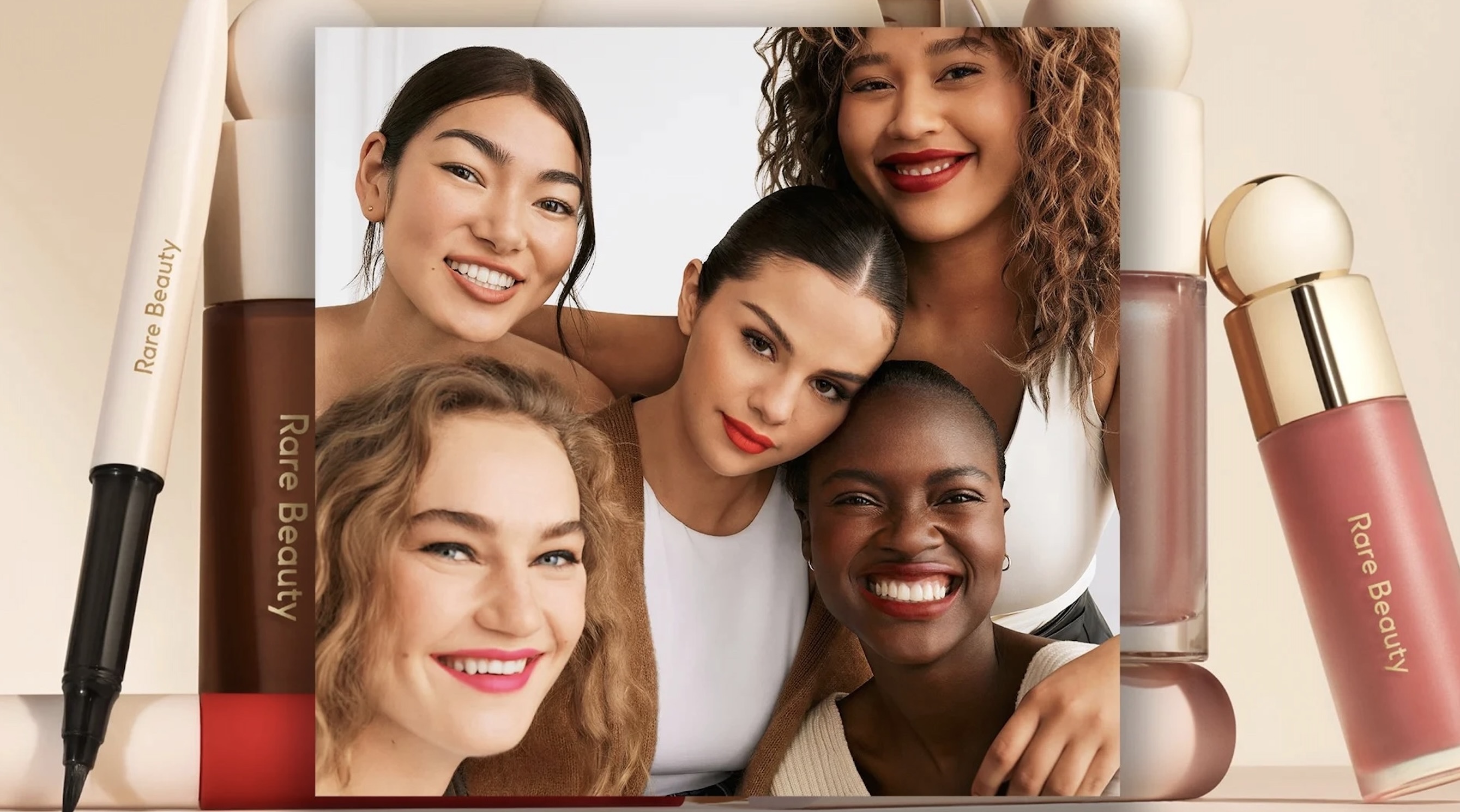
Rare Beauty didn’t just sell makeup, it sold mental health awareness, emotional healing, and self-acceptance. Selena Gomez’s message of “you are rare” positioned the brand not around perfection but authenticity.
This approach connected with consumers on a deeply personal level, particularly younger buyers looking for brands that share their values.
What they did
The campaign featured real people, imperfections, and stories of vulnerability. Instead of focusing only on product benefits,
Rare Beauty spotlighted community narratives, supported mental health initiatives, and even aligned product naming and packaging with messages of self-kindness.
The brand’s YouTube and Instagram campaigns blended tutorials with affirmations and emotional testimonials.
The result
Rare Beauty built one of the fastest-growing beauty communities online, with high repeat purchase rates and strong emotional brand loyalty. Reviews highlighted not just product quality but how the brand made users feel. The campaign consistently outperformed others in engagement, particularly among Gen Z.
Cropink's storytelling-forward creative tools make it easier for mission-led brands to align design, messaging, and visuals without sacrificing speed. It's ideal for teams that need to balance authenticity and scale in fast-moving ad cycles.
Tell your brand story at scale with Cropink
Dior Beauty’s immersive experiences: luxury meets innovation
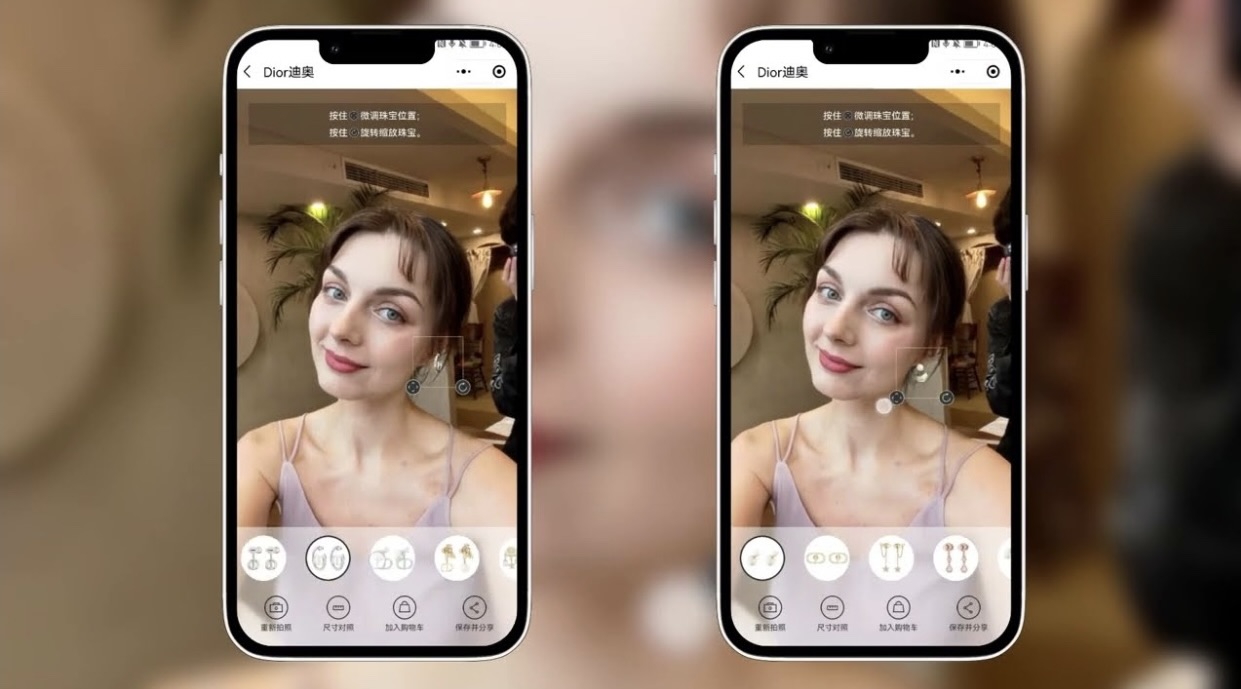
Dior didn’t just sell products, it elevated the beauty shopping experience through immersive technology. By merging luxury with innovation, Dior made virtual try-ons feel as elegant and premium as the brand itself.
This was a major differentiator in an industry where tech-driven campaigns are often associated with fast beauty or budget brands.
What they did
Dior launched an augmented reality (AR) try-on experience that allowed users to test high-end makeup, and even jewelry, directly from mobile ads and social content. Partnering with AR platforms, they built seamless interactions into Instagram Stories, YouTube pre-rolls, and mobile banners. The campaign maintained Dior’s high-gloss aesthetic while giving users a personal, interactive experience.
Cinematic video ads featuring ambassadors like Natalie Portman added a storytelling layer, connecting emotion with innovation. Every detail, from music to lighting to interface, reflected the brand’s couture identity.
The result
The immersive format boosted purchase intent and brand recall, particularly among high-income consumers. Dior also saw increased time spent on interactive ads, signaling deeper engagement. Most importantly, they expanded the definition of what “luxury digital advertising” could look like, setting a new benchmark for beauty brands worldwide.
Frequently Asked Questions
How can I advertise my makeup?
You can advertise your makeup by using visually rich, emotionally engaging content across platforms like TikTok, Instagram, and YouTube. Focus on short videos, before-and-afters, tutorials, and influencer collaborations to build trust and visibility.
How to advertise cosmetics?
To advertise cosmetics, highlight the transformation they create—use real users, diverse models, and storytelling. Use paid ads, catalog creatives, and video content that shows how the product fits into a lifestyle or routine.
How to write a catchy advertisement?
To write a catchy advertisement, start with a relatable hook, focus on benefits (not just features), and use emotive language. Keep it short, visual, and end with a clear call to action.
What do you caption a makeup post?
Caption a makeup post with something fun, confident, and benefit-driven like “This glow doesn’t quit ✨” or “Bold look, zero effort 💄.” Always include product tags, and consider a question to boost engagement.
Explore more beauty and lifestyle ad ideas:
- Perfume Advertisement Guide
- 27 Cosmetics Ad Examples
- Skin Care Ads
- Cropink Case Studies
- TikTok Catalog Ads
- Dynamic Templates
Final Words
A powerful makeup advertisement doesn’t just showcase a product, it sparks emotion, tells a story, and invites the viewer to see themselves in the brand.
In a crowded digital space, it’s those deeper connections that turn impressions into conversions.
With tools like Cropink, beauty brands can scale these creative stories effortlessly, without sacrificing quality or authenticity.
Sources
- In-cosmetics Connect. Beauty predictions
- HubSpot. The Future of Advertising [Expert Predictions & Data]
- INC. Harvard professor says 95 of purchasing decisions are subconscious
- Martechvibe. Tapping into the Subconscious Mind of the Consumer
- YouGov. 72% of consumers prefer videos to learn about products or services
Ansherina helps brands create powerful digital marketing and performance marketing strategies. With a passion for ad design and audience engagement, she is dedicated to making brands more visible and impactful.
Leszek is the Digital Growth Manager at Feedink & Cropink, specializing in organic growth for eCommerce and SaaS companies. His background includes roles at Poland's largest accommodation portal and FT1000 companies, with his work featured in Forbes, Inc., Business Insider, Fast Company, Entrepreneur, BBC, and TechRepublic.
Related Articles

How Can Cropink Help?
Start with Cropink is easy and free
No credit card required