Ultimate Perfume Advertisement Guide: Strategies, Trends & Real Examples
Perfume ads work by turning scent into emotion. With the market growing to $61.3B by 2033 and 70% of purchases driven by feeling, learn how to craft fragrance ads that connect, convert, and inspire using real examples, proven copywriting tips, and emerging 2026 trends.


Creating a perfume advertisement that actually makes people stop, feel, and remember is harder than it looks.
The problem? You can’t smell through a screen. So how do you sell something invisible? Many ads fall flat because they focus on product details instead of emotion — and in fragrance marketing, emotion is everything.
In fact, 70% of perfume purchases are driven by feeling, not facts. With the global fragrance market projected to reach $61.3 billion by 2033, brands that master the art of emotional, story-driven advertising will lead the way.
This guide breaks down exactly how to craft a perfume advertisement that connects — with real examples, 2026 trends, copywriting tips, and creative strategies that work.
Key takeaways
- About 70% of buying decisions in the fragrance industry are based on emotion, not logic. The best perfume ads focus on mood, identity, and storytelling, helping people imagine how a scent feels — not just what’s in the bottle.
- Since scent can’t be shown, top campaigns use symbolic visuals, sound, and emotion to trigger memories and create sensory experiences. Examples like Dior’s J’adore and Marc Jacobs Daisy show how mood replaces product specs.
- AI-generated visuals, gender-neutral branding, eco-conscious messaging, and virtual try-ons are key shifts in 2026 perfume ads. Brands that reflect real values and stay culturally relevant will lead the market’s 11.64% CAGR growth through 2033.
What is a perfume advertisement?
A perfume ad is a creative way to show what a fragrance feels like. Since people can’t smell through a screen, brands have to use visuals, music, and emotion to help you imagine the scent. It’s like painting a picture of an invisible experience.
The goal isn’t just to describe the product. It’s to make you feel something. Perfume ads aren’t like ads for phones or snacks. They’re more about desire, memory, and identity. They speak to how you want to feel, or who you want to become.
And clearly, that approach is working. In 2024, the global perfume market reached $39.6 billion. It’s expected to grow to $61.3 billion by 2033. In the U.S. alone, perfume sales hit $8.8 billion in 2024, thanks to premium branding and social media buzz.
When people see a perfume ad, they’re not just thinking about buying a bottle. They’re thinking about becoming a certain version of themselves. That’s why perfume advertising is so powerful.
The best perfume ads tell a story. They don’t just show the product, they create a whole world around it. A place the viewer wants to step into. In that way, a perfume ad becomes more than just marketing. It becomes a way to spark imagination and inspire transformation.
How perfume ads use psychology to attract people
Perfume ads are made to spark emotion. They're not trying to explain every detail of the product. Instead, they aim to make people feel something real and personal. Here’s how they do it:
They focus on feelings, not features
Perfume ads don’t spend time listing how long a fragrance lasts or what ingredients are inside. You’ll rarely see something like “lasts 12 hours” front and center.
What you do see is a mood. Someone walking through golden light. A quiet moment between two people. These visuals are meant to create feelings like confidence, romance, or freedom.
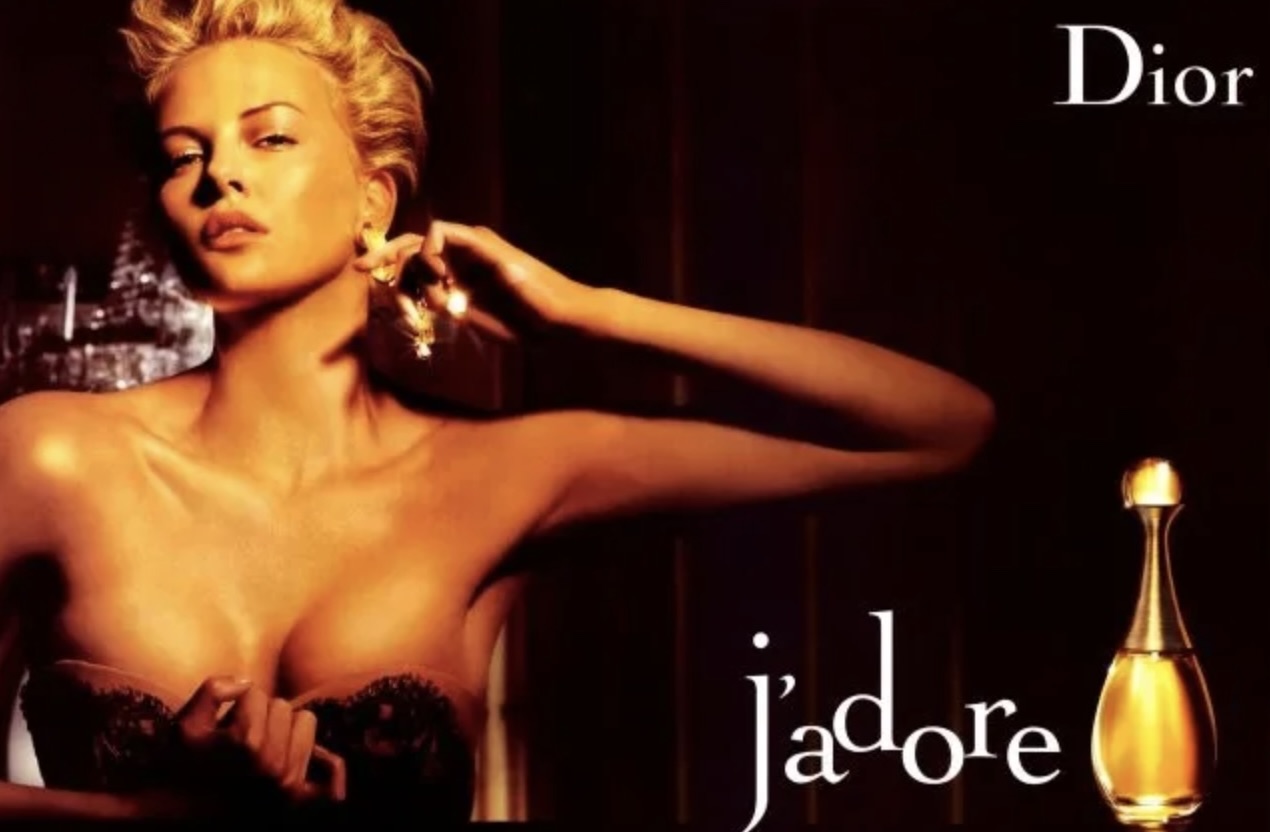
A perfect example is Dior’s J’adore campaign. Instead of listing features, it shows Charlize Theron walking alone at night, bathed in gold light. The scene feels elegant, powerful, and emotional. It helps the viewer imagine what it might feel like to wear the perfume.
This approach works because about 70% of buying decisions, including for perfumes, are based on emotion. People remember how an ad made them feel more than what it said.
They use visuals to simulate scent
Since people can’t actually smell an ad, brands use visuals that help the brain imagine the scent. They use light, color, fabric, wind, skin, and music to create a mood that feels like the fragrance.
A fresh perfume might show open skies, soft lighting, and green tones. A bold scent might use shadows, rich colors, or silk textures.
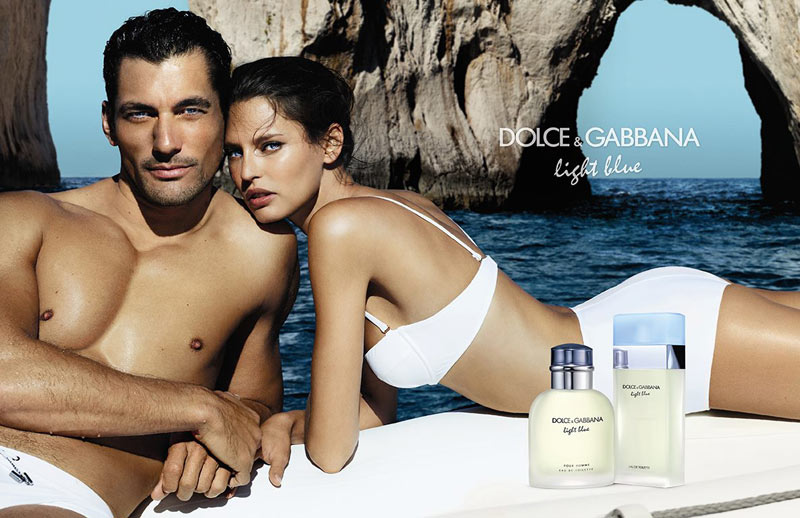
Dolce & Gabbana’s Light Blue campaign is a great example. It features a couple diving into the Mediterranean Sea. You can almost smell the salty breeze and citrus in the air. It makes the viewer associate the fragrance with summer, freshness, and sensuality.
These kinds of cues trigger the viewer’s senses and build a stronger emotional link. Studies show that visuals and emotional cues can increase product appeal, preference, and even the feeling of ownership.
They connect scent to memory
Scent is closely tied to memory. That’s because it connects to the brain’s limbic system, which handles both memory and emotion.
Perfume ads often tap into this by showing scenes that remind people of shared emotional moments. A warm summer evening. The thrill of a new love. The calm of a cozy morning. These moments help create a deeper personal connection with the product.
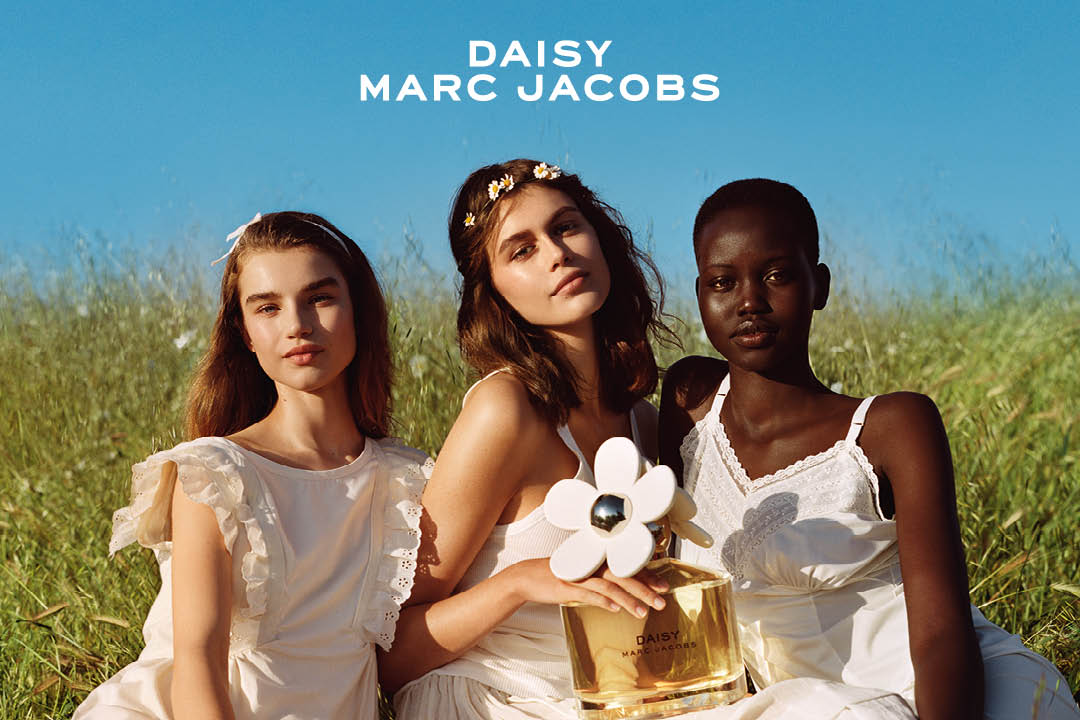
Marc Jacobs Daisy ads do this really well. They show young women laughing in wildflower fields, surrounded by sunshine and freedom. It feels nostalgic, lighthearted, and carefree — just like the scent.
The goal is to make the viewer feel like the perfume already fits into their life, even if they’ve never smelled it before.
They tell emotional stories
Many perfume ads are short, cinematic films. They don’t explain what’s inside the bottle. They invite you into a mood or story.
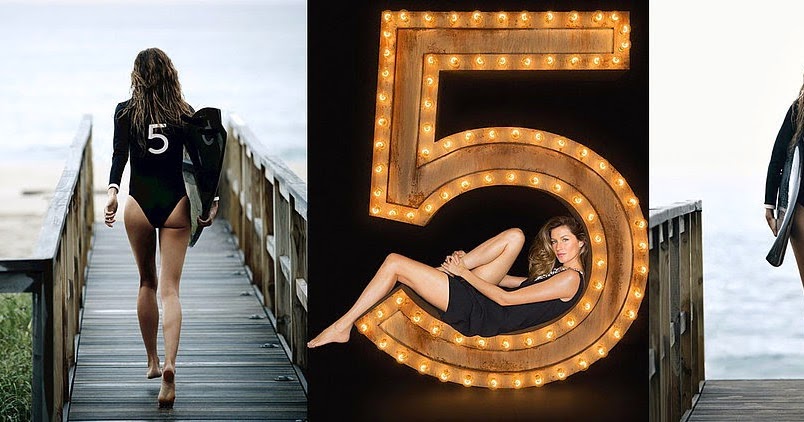
Chanel No. 5: The One That I Want, starring Gisele Bündchen, tells a full story of love, longing, and reconnection. It features strong visuals, emotional music, and dramatic scenes by the ocean. The focus isn’t on the product itself — it’s on how it fits into a larger emotional journey.
This kind of storytelling builds a strong emotional bond. It helps people remember the brand, feel something lasting, and come back for more. Emotional storytelling in perfume ads increases brand identity, loyalty, and sales.
They reflect identity
Perfume is personal. People wear scents that reflect who they are or who they want to be.
That’s why perfume ads often show personality or lifestyle traits. Some suggest elegance and mystery. Others express boldness or softness. When someone sees their identity reflected in an ad, they’re more likely to feel a connection to the product.
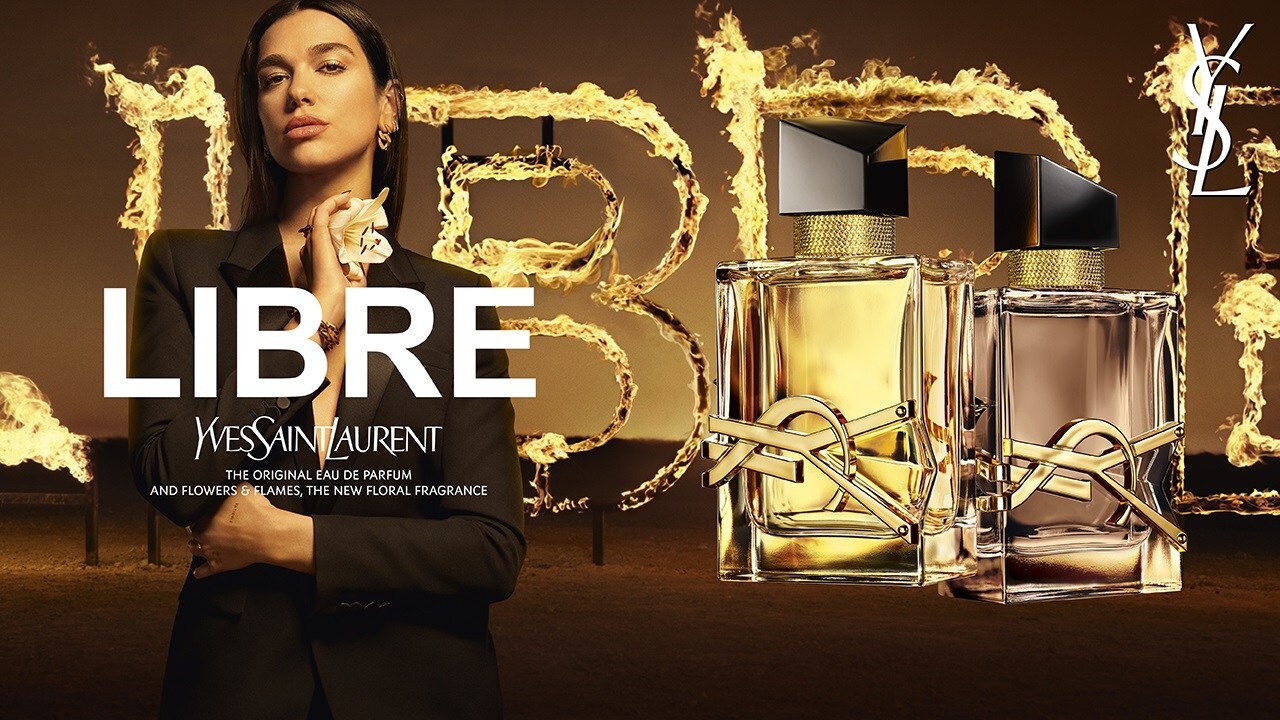
YSL Libre, featuring Dua Lipa, is a good example. The ad shows her walking alone through fire and desert landscapes, confident and untouchable. It expresses freedom, rebellion, and power, traits that many young buyers aspire to.
When a perfume ad matches someone’s identity, it feels made for them. And that emotional connection can increase sales by up to 23%.
They match emotion to the right audience
Not everyone responds to the same emotions. That’s why perfume brands shape their messaging based on the group they want to reach.
Millennials and Gen Z are today’s top fragrance buyers. They care more about how a product makes them feel than what it technically does. About 76% of Millennials and 75% of Gen Z say they base their buying decisions on emotion, not just facts.
file url: genz_prod.jpg
alt text: Gen Z women smiling and posing in colorful, inclusive beauty campaign.
Glossier You speak directly to Gen Z. Its campaign is soft, authentic, and personal. The tagline “It smells like you” reflects a modern view of beauty — enhancing who you are rather than changing it.
Gen Z is also highly engaged with fragrance. Around 83% of Gen Z wears perfume regularly and many own multiple scents. They choose different perfumes to match moods, seasons, or identities.
Perfume ads that understand this emotional diversity are much more likely to connect and convert.
Different types of perfume ads
Perfume ads may differ wildly in aesthetic, but they generally fall into three strategic categories:
- Visual storytelling ads: These ads resemble short films. They feature symbolic scenes—mirrors, falling petals, close-ups of fabric or bare skin. Chanel No. 5’s campaign with Nicole Kidman is iconic: a sweeping romantic narrative with cinematic visuals, telling a story of escape and passion.
- Sensory and emotional ads: These focus on texture, color, and warmth. For instance, Dior’s "J’adore" uses gold visuals and close-up shots of skin, water, and jewelry to evoke luxury and sensuality. There’s often no dialogue—just music and mood. These ads simulate what it might feel like to wear the scent, even without any words.
- Minimalist or luxury positioning ads: Brands like Le Labo, Diptyque, and Byredo use clean, stark visuals with minimal text. This appeals to audiences who value niche craftsmanship and quiet exclusivity. An example is Byredo's black-and-white campaign that focuses on simplicity and sophistication.
Each type aligns with a buyer persona. For example, emotional and warm-toned campaigns often target millennial women, while minimalist ads appeal to Gen Z and niche-seeking male buyers.
Some campaigns combine all three styles—telling a story, invoking emotion, and positioning the product as elite. Jo Malone, for instance, frequently uses romantic garden visuals (emotion), text overlays (story), and crisp packaging (luxury positioning). This blended strategy speaks to multiple consumer values in one campaign.
How to write words for perfume ads
While the visuals carry the emotional weight, the right words elevate a perfume ad into poetry. Great fragrance copywriting avoids hard-selling. Instead, it whispers, seduces, or inspires.
- Use emotional, sensory-rich words: Examples include “smoky,” “velvety,” “electric,” or “sun-soaked.”
- Tap into identity: For instance, "for the fearless," or "made for the one who dares."
- Keep it poetic and minimal: Most successful headlines are under 7 words. Example: “Not a perfume” (Juliette Has a Gun), or “A scent of memory” (Maison Margiela).
Apply proven formulas like AIDA:
- Attention: “You don’t wear perfume. You wear presence.”
- Interest: “Crafted in Grasse with notes of black fig and violet.”
- Desire: “Soft as skin. Bold as midnight.”
- Action: “Shop the new collection.”
Or try the PAS framework:
- Problem: “You’ve outgrown every scent that feels like you.”
- Agitation: “Everything else feels like a copy, a mask.”
- Solution: “Meet the fragrance that fits like memory.”
By weaving identity into every line, you make the ad feel personal. Your words should feel like a secret shared with the reader.
Include quotes from real buyers when possible. Example: “Wearing this makes me feel like myself, but better.” User-generated testimonials double as emotional copywriting.
Who buys perfume?
Understanding who you're speaking to is essential. In 2025, several key demographics drive perfume sales:
- Gen Z Females (18–25): Influenced by TikTok, they value eco-conscious products, unisex scents, and realness. They’re drawn to brands that feel authentic and visually unique.
- Millennial Women (26–40): Seek long-lasting, premium fragrances with wellness vibes. These buyers favor storytelling, personalization, and mood.
- High-Income Male Buyers (30–49): Growing demand for niche, artisanal scents. These consumers love craftsmanship and exclusivity.
Other strong segments include LGBTQ+ shoppers, gift buyers (ages 35–65), multicultural and urban buyers, and scent collectors who treat fragrance like art.
Here’s a simplified table showing key buyer profiles:
| Buyer Type | Traits & Interests |
|---|---|
| Gen Z Females | Eco-friendly, TikTok-savvy, prefer unisex scents |
| Millennial Women | Luxury, longevity, personalization, wellness |
| High-Income Males | Niche, minimalism, craftsmanship |
| Gift-Oriented Shoppers | Sentimental value, packaging, versatility |
| LGBTQ+ / Inclusive Segments | Value representation, edgy and bold campaigns |
Understanding these groups allows you to tailor everything—from ad tone to media platform—to their specific desires.
How to advertise perfume on social media
Social media is now the heartbeat of perfume discovery. The platforms differ in tone and strategy:
- TikTok: Short videos and influencer reviews dominate. A viral hashtag campaign can sell out a new launch overnight. Gen Z treats TikTok as a search engine for fragrance. Hashtags like #PerfumeTok or #ScentOfTheDay routinely hit millions of views.
- Instagram: Best for visuals and mood. Brands like Maison Margiela use reels and curated grids to tell stories for each scent in their "Replica" line. IG Stories also allow sampling promotions and interactive campaigns.
- Facebook: Strong for targeted campaigns and retargeting. It delivers high ROAS when paired with creative testing. One case study showed an 8.5x ROAS with a carousel format that focused on scent notes and lifestyle imagery.
- YouTube: Allows for deeper storytelling. Dior’s mini-films for “Miss Dior” or Chanel’s artistic shorts give the ad more breathing room. Use these for brand documentaries, BTS footage, or cinematic storytelling.
Each platform has a unique role. Instagram builds desire. TikTok drives discovery. Facebook converts. YouTube deepens brand loyalty.
Best perfume ad campaigns and what we can learn
Some perfume campaigns don’t just sell—they become cultural icons. Let’s explore what made them unforgettable and what you can adopt for your own campaigns.
Dior J’adore (Charlize Theron)
This campaign is a gold standard in the fragrance world. It features Theron walking through golden liquid, shedding couture gowns in a sensual, confident stride. There’s no voiceover—just dramatic music, luxurious textures, and strong visuals. The message? Power and elegance are effortless. It speaks directly to modern women who value both strength and sensuality.
Use metaphor and visual symbolism instead of literal explanations. Let the viewer feel something.
Chanel No. 5 (Nicole Kidman)
Directed by Baz Luhrmann, this is a full-fledged short film. It’s a love story, a fantasy, a high-fashion spectacle. The Chanel brand is synonymous with luxury, and this ad reinforces that by placing the product in a cinematic universe.
Elevate your ad to the level of film. Use narrative and emotion to immerse the audience.
Byredo – Gypsy Water
Minimalistic, artsy, and moody. This campaign avoids faces and instead focuses on typography, atmosphere, and mystery. It evokes a lifestyle rather than showing one.
Simplicity and suggestion can be just as powerful as storytelling—especially for niche brands.
Le Labo
The brand doesn’t follow traditional advertising. It leans heavily into product design and brand philosophy, often using user-generated content or photography-based ads with handwritten labels.
Your branding can be the ad. When your identity is strong, you don’t need spectacle.
Each of these examples shows a different route to success, but they share something in common: emotional clarity. They know exactly who they’re speaking to, and every creative decision supports that message.
To execute campaigns like these, many modern marketers are turning to platforms like Cropink, which streamline creative development and scale catalog ads with tools designed for performance.
With Cropink’s dynamic templates and integrated design editor, replicating the cinematic polish of Dior or the visual discipline of Byredo becomes accessible—even without an in-house studio.
How to make a perfume ad
Creating a perfume ad is more than pointing a camera at a bottle. It’s about evoking a mood that lingers.
- Planning the visuals: Start by storyboarding your mood. What’s the dominant emotion? Is it intimacy? Confidence? Mystery? Let that guide your color palette, lighting, and motion. For example, a sensual ad might use golden tones, slow-motion fabric, and soft lighting. A bold scent might use reds, contrast, and sharp cuts.
- Music and sound design: Music is as important as the visuals. Classical piano suggests elegance. Ambient nature sounds suggest freshness. Silence can create intensity. Even how you record the spritz of the perfume or the rustle of silk adds to the sensory atmosphere.
- Casting: Choose models that reflect the target demographic—not just in appearance, but in attitude. If the fragrance is for Gen Z, cast people who reflect current trends, cultural values, and diverse identities.
- Styling the set: Use natural elements—flowers, skin, light, and texture. Avoid overproduction unless it aligns with your brand. Maison Margiela’s “Replica” campaigns often use soft linen bedsheets and sunlight, creating emotional intimacy.
- Budget tips: On a small budget, shoot with natural lighting during golden hour. Use a DSLR or phone with cinematic mode. Focus on close-ups, slow motion, and atmospheric music. Keep editing clean and minimal.
Brands that need to test multiple versions or scale creative across markets can benefit from Cropink’s campaign management features, which let you adapt visual ads dynamically—while maintaining brand consistency. From product feed sync to creative testing, it’s ideal for advertisers who need both beauty and performance.
2026 trends in perfume advertising
Perfume ads are changing fast. In 2026, it's no longer just about luxury and elegance — it’s about connecting with people’s values. Shoppers care more about things like self-expression, sustainability, and innovation, and the industry is keeping up.
Here are some of the biggest trends shaping perfume marketing this year:
AI is helping bring perfume stories to life
More brands are using AI tools like Midjourney and Runway to create stunning visuals. These tools help teams design dream-like campaigns or teaser videos that feel futuristic and artistic — often in less time and for less money.
Some brands are using AI to generate mood boards or fantasy visuals for upcoming fragrance launches. This lets them test different ideas before committing to a full production.
And it’s working. AI-generated campaigns are gaining real traction, helping creative teams move faster and try bold ideas that grab attention online.
More focus on gender-free and inclusive messages
Perfume ads are shifting away from labels like “for him” or “for her.” Instead, you’ll see descriptions like warm, cool, bold, or pure. This lets people choose scents based on mood or personality — not gender.
It’s a move that really resonates with Gen Z and LGBTQ+ audiences, who value authenticity and don’t want to be boxed in.
The numbers show it’s more than just a trend. Gender-neutral fragrance launches grew from 17% of the market in 2010 to 51% in 2018, and they’re expected to go up another 25% by 2026.
Eco-conscious branding is front and center
Sustainability is a big deal in fragrance now — especially for younger buyers. People want to know where ingredients come from, whether packaging is recyclable, and if the brand is being kind to the planet.
So more ads now highlight features like refillable bottles, vegan formulas, and zero-waste packaging. You’ll see taglines like “Scent that respects the planet” or “Made without compromise.”
This isn’t just a nice extra anymore. Sustainable and eco-friendly packaging, like recycled materials and refill systems, is becoming standard as brands respond to what customers actually want.
Trying on a scent is going virtual
Since you can’t smell a perfume through your phone, some brands are using virtual and augmented reality to help people experience a scent digitally.
For example, Guerlain built an immersive scrolling experience on their website where users explore scent moods through visuals, sound, and storytelling. Others are using AR filters on Instagram and TikTok to show what a fragrance might feel like using light, color, and motion.
These digital experiences are especially useful for online shopping. And they’re catching on fast. In fact, virtual and AR tools are now reshaping how people explore and choose perfumes without needing to visit a store.
Influencer-led micro-campaigns
Instead of mega-celebs, brands now partner with micro-influencers whose audiences are deeply engaged. These campaigns often look like authentic daily content, not high-gloss ads. For inspiration, check out TikTok-focused insights like this guide to Dynamic Showcase Ads to understand how brands use data and content together.
Why these trends matter in 2026
The perfume industry is growing faster than ever. In 2025, the global fragrance market was valued at $10.97 billion, and it’s expected to grow at a CAGR of 11.64% through 2033.
And on the luxury side, the growth is strong too. The luxury perfume market, which was $11.7 billion in 2018, is set to reach $16.8 billion by 2026, growing at a CAGR of 5.3%.
With this kind of growth, brands are doing everything they can to stay ahead — and the smartest ones are leaning into trends that actually reflect what people care about.
Whether it’s using AI for storytelling, dropping gendered language, or creating eco-friendly packaging, these changes are shaping the future of fragrance marketing.
How to know if your perfume ad is working
To optimize and scale perfume ads, you need measurable goals and the right tools. Here’s how to track real success:
- Check the right metrics:
- Click-through rate (CTR): Are people interested?
- Conversion rate: Are they buying?
- ROAS (Return on Ad Spend): Are you profitable?
- Video engagement: Watch time, shares, saves—these show emotional impact.
- Comments: Are people saying things like “This feels like me” or “I need this”? Emotional keywords are key.
- Use analytics tools:
- Meta Ads Manager for Facebook/Instagram insights
- Google Analytics for conversion tracking
- TikTok Creator Marketplace for influencer ROI
- Run A/B testing: Try different creative styles—change lighting, tagline, background music. One campaign might be poetic and emotional; the other sharp and direct. Track what performs better. For layout inspiration, explore real Facebook carousel ad examples.
- Post-campaign surveys: Ask viewers how the ad made them feel. Did they understand the scent’s personality? Would they consider buying it?
A great perfume ad makes people want to buy without needing to smell. If people engage emotionally, ask for links, or associate your brand with a feeling—that’s success.
Platforms like Cropink help teams automate creative testing, measure performance in real time, and adapt ad designs instantly, making it easier to keep campaigns fresh and responsive without starting from scratch.
Rules and ethics for perfume ads
As creative as fragrance ads can be, they must operate within ethical and legal boundaries. These aren’t just box-checking tasks—they’re part of building consumer trust.
- Avoid false or exaggerated claims: Don’t say a perfume lasts “forever” or “guarantees seduction.” Claims should be rooted in fact or framed poetically, not scientifically, unless verified. See examples of what to avoid in misleading advertising and common advertising fallacies.
- Respect intellectual property: Always license your music, images, and talent. Avoid using AI-generated celebrity likenesses unless legally cleared.
- Use diverse, inclusive casting: Representation matters. Cast people of different races, genders, body types, and ages. It reflects reality and builds wider brand connection.
- Data and privacy compliance: If you’re using retargeting ads or collecting consumer data for samples, be GDPR and CCPA compliant.
- Cultural sensitivity: Avoid cultural appropriation or insensitive metaphors. For example, avoid exoticizing non-Western elements in a way that reduces them to visual props.
In a market where values matter, an ethical ad is a strong ad. It’s not just about avoiding backlash, it’s about resonating with today’s socially aware consumers.
FAQs
To write an advertisement for perfume, focus on the feeling or mood the scent creates. Start by choosing a theme (romantic, fresh, bold, etc.), then build visuals and copy that bring that feeling to life. Use strong adjectives, emotional language, and describe the experience, not just the notes. Keep it short, sensory, and memorable.
To advertise perfume, say what the scent makes people feel or imagine. Instead of listing ingredients, say things like “Smells like golden summer nights” or “A bold scent for the fearless.” Use words that speak to identity, emotion, or lifestyle — because people buy perfume for how it makes them feel, not just how it smells.
To write a caption for perfume, keep it short, sensory, and emotionally rich. Use phrases that spark curiosity or mood, like “Soft as silk. Strong as you.” or “Your scent. Your story.” Add hashtags if you're posting on social media, and match the tone to your brand — playful, elegant, romantic, or edgy.
A good description of perfume uses sensory and emotional words to paint a picture. For example: “A warm blend of amber and vanilla wrapped in soft musk. Like a quiet evening by candlelight.” Focus on how it smells and how it feels — use texture, mood, and memory-driven language to make it come alive.
Final thoughts
Perfume advertising turns scent into emotion. Since people can’t smell through screens, the best ads use visuals, mood, and storytelling to help audiences imagine how a fragrance feels.
Great campaigns like Dior’s J’adore or Chanel No. 5 don’t list features—they tell a story.
With the global perfume market projected to hit $61.3B by 2033, brands need creative, emotional ads that connect. Tools like Cropink make this easier by helping you design high-performing, on-brand campaigns at scale.
Whether you're targeting Gen Z or launching a luxury line, Cropink gives you the creative edge.
Sources
- Jasmine. Psychology Effect of Perfumes in Retail & Branding
- Powered X Beauty Buddy. Gen Z's Scent-sational Impact: Fragrance Boom and Social Media Influence
- Allied Market Research. Luxury Perfume Market Size
Ansherina helps brands create powerful digital marketing and performance marketing strategies. With a passion for ad design and audience engagement, she is dedicated to making brands more visible and impactful.
Leszek is the Digital Growth Manager at Feedink & Cropink, specializing in organic growth for eCommerce and SaaS companies. His background includes roles at Poland's largest accommodation portal and FT1000 companies, with his work featured in Forbes, Inc., Business Insider, Fast Company, Entrepreneur, BBC, and TechRepublic.
Related Articles

How Can Cropink Help?
Start with Cropink is easy and free
No credit card required