13 Failed Marketing Campaigns and What They Teach Us
85% of marketing campaigns fail and 68% waste ad spend. This article breaks down 13 real failed marketing campaigns, explaining what went wrong, how brands misread audiences, and the lessons marketers can apply to avoid costly mistakes.



Most marketing campaigns fail badly.
In fact, 85% flop, and 68% waste ad spend, losing $37 billion a year targeting the wrong audiences. New products? 95% fail, mostly due to poor marketing and research.
From Pepsi’s protest ad to Snapchat’s Rihanna blunder, even the biggest brands mess up.
This list of 13 failed marketing campaigns breaks down what went wrong — and how you can avoid the same fate.
Let’s dive into the worst examples (and the smartest lessons).
Key takeaways
- Most campaigns fail because they misread their audience. 85% of campaigns miss the mark, and 42% of marketers blame poor targeting. If your message doesn’t reach the right people, even great creative won’t work.
- Ad budgets are wasted due to poor data and weak execution. 68% of businesses lose money on the wrong platforms or targeting. Vanity metrics, bad tracking, and outdated data lead to $37B in wasted U.S. ad spend annually.
- Cultural and emotional missteps spark instant backlash. Campaigns like Pepsi’s protest ad or Snapchat’s Rihanna blunder show how fast things unravel. Tone-deaf messaging damages trust and spreads fast across platforms.
What makes a marketing campaign fail?
Most campaigns don’t crash because of the concept, they fail because the message doesn’t reach or resonate with the right people.
Campaigns that lack targeting, research, or live tracking tend to fall flat. Nearly 85% of marketing efforts fail to meet their goals, often due to poor planning and execution.
Audience mismatch remains the leading issue. A full 42% of marketers cite poor targeting as the number one reason their campaigns don’t succeed. If your message isn’t built for the right people, it won’t land.
Ad budgets are often wasted on platforms that don’t perform. As much as 68% of businesses lose money by advertising in the wrong places, leading to an estimated $37 billion in wasted ad spend in the U.S. every year.
Many marketers still chase surface-level success. Over half focus on vanity metrics like likes and impressions instead of meaningful outcomes like conversions or revenue.
- Real-time tracking is rare, with only 30% of marketers actively monitoring live campaigns. This lack of oversight reduces success rates by 23%, simply because problems aren't caught and fixed early.
- Weak research continues to be a root cause of failure. Harvard Business Review connects 85% of failed campaigns to shallow or missing market insights.
Vague goals and bloated strategies also reduce impact. Campaigns that try to speak to everyone usually fail to connect with anyone.
Generic, one-size-fits-all content ignores how people behave on different platforms. What works in a YouTube ad doesn’t automatically work in an email or on Instagram.
Dirty data makes things worse. Inaccurate or outdated information leads to poor targeting, missed opportunities, and wasted budget. When companies skip competitor analysis too, they lose critical insight into what’s already working in their space.
Poor data and weak strategy contribute to 14% of overall business failures tied directly to marketing.
The consequences are expensive. Retailers in the UK lose £19,000 every month on underperforming digital ads. Messaging that misses the mark causes 79% of leads to fail to convert.
On the other hand, campaigns based on research, clear goals, and real customer understanding win. Brands that use detailed buyer personas earn 171% more revenue from their marketing.
Marketing failure is rarely a mystery — it’s usually the result of skipping the fundamentals.
The top 13 failed marketing campaigns (case studies)
1. Gap’s logo redesign
- Year: 2010
- Industry: Fashion / Retail
- Budget: Estimated $100 million
- Type of Failure: Branding Misalignment, Ignoring Customer Loyalty
- Consequence: Massive backlash, logo reversed in 6 days
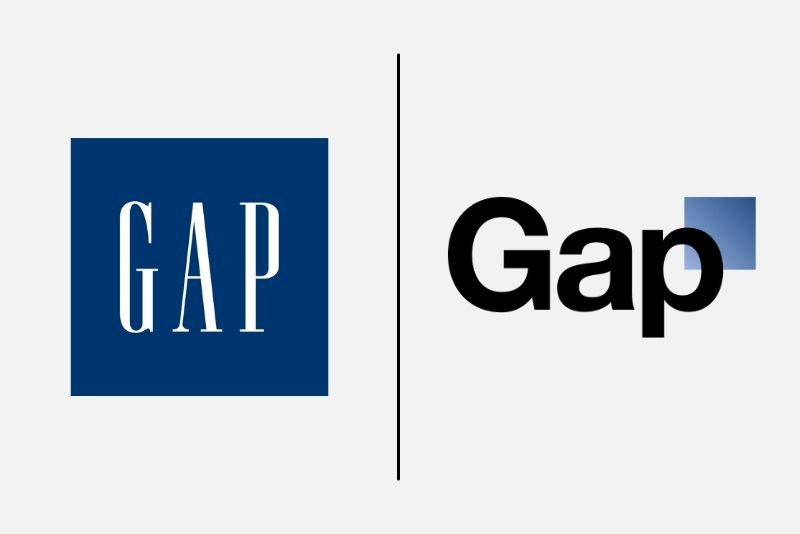
In October 2010, Gap suddenly introduced a new logo to replace its iconic blue-box design. The update featured a plain Helvetica font with a small gradient box, aiming to modernize the brand's image.
There was no prior announcement, no explanation, and no customer involvement. Within 24 hours, online backlash erupted. A parody site where users could create their own "new Gap logos" went viral, drawing over 14,000 submissions.
Social media criticism exploded, and thousands of negative comments poured in across Facebook and Twitter.
Why It Failed
- Brand Loyalty Ignored: Gap underestimated the emotional attachment customers had to the original logo, which had been in use for over 20 years.
- No Audience Engagement: There was no customer consultation, focus group testing, or communication plan. The sudden change felt corporate, not consumer-driven.
- Design Misfire: The new logo was seen as generic, uninspired, and inconsistent with Gap’s long-standing identity as a classic American brand.
The Fallout
Gap reversed the rebrand within just six days due to intense public pressure.
The company issued a public apology and admitted they had made a mistake by not involving customers in the redesign process.
The incident damaged trust and became a widely cited cautionary tale in branding and design communities.
The Lesson
Your brand is not just your logo — it’s your relationship with your audience. Changing a well-known identity without warning or input can spark backlash, no matter how “modern” the new look may be.
Major brand updates should be tested, explained, and phased in. Design decisions must align with customer expectations, not just internal goals.
2. Pepsi’s Kendall Jenner protest ad
- Year: 2017
- Industry: Beverage / Consumer Goods
- Budget: Estimated $5 million
- Type of Failure: Social Issue Appropriation, Tone-Deaf Messaging
- Consequence: Global backlash, ad pulled within 24 hours, public apology
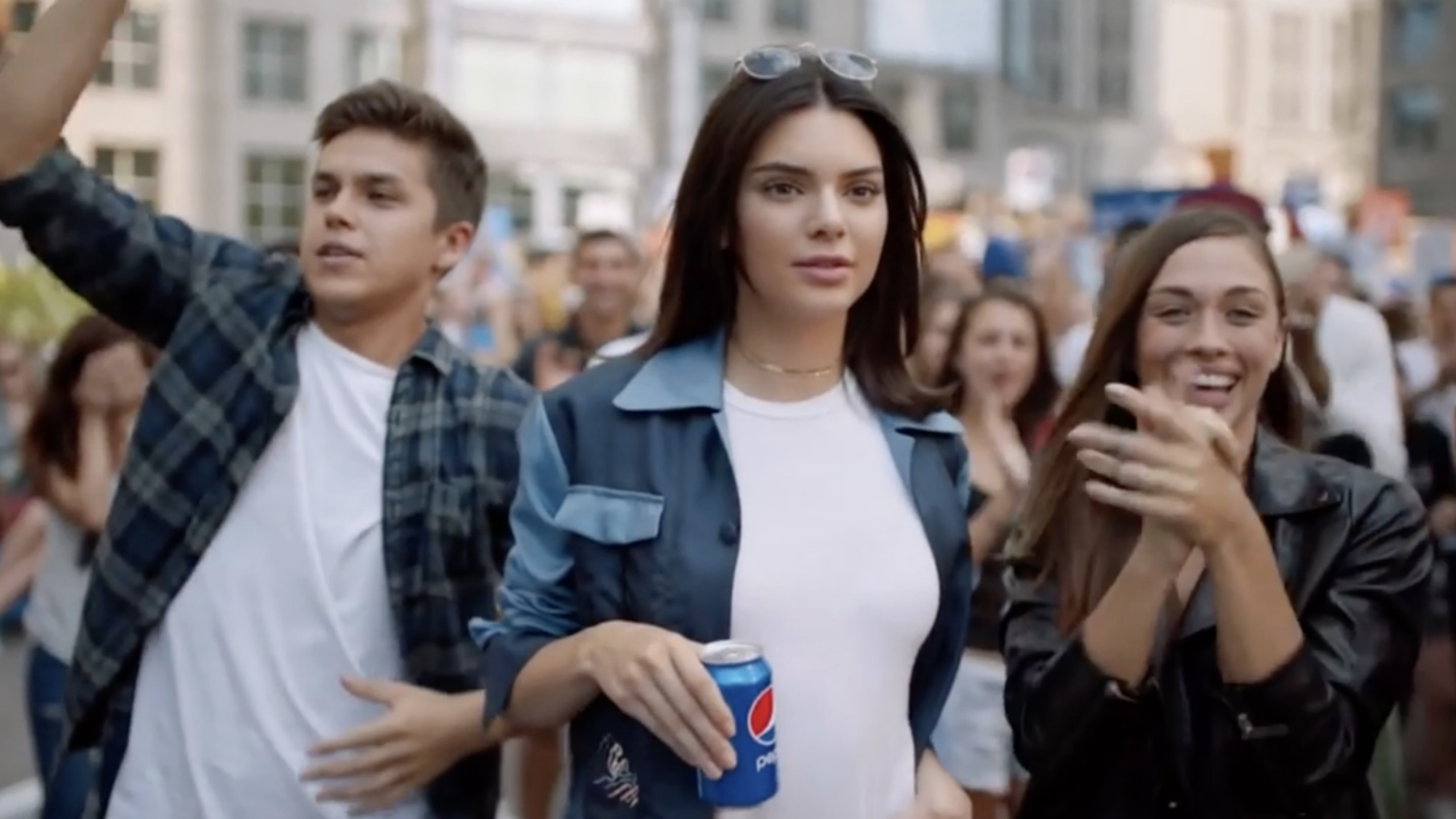
In 2017, Pepsi released a commercial featuring Kendall Jenner that attempted to portray a message of peace and unity. The ad showed Jenner leaving a photoshoot to join a diverse protest. She ends the tension by handing a can of Pepsi to a police officer, which is met with applause from the crowd.
The imagery appeared to mimic real protest movements, especially Black Lives Matter. The message, however, came across as simplistic and trivializing.
Why It Failed
- Misuse of Social Movements: The ad used protest visuals as aesthetic rather than substance. It borrowed the symbolism of serious activism without acknowledging its context or struggles.
- Celebrity Mismatch: Jenner, a fashion model with no known activism record, was not seen as a credible or appropriate figure for the topic. The casting diluted the message.
- Corporate Oversimplification: Complex social issues were reduced to a soda-sharing moment, which many perceived as disrespectful and dismissive of real injustice.
The Fallout
The ad faced immediate condemnation from activists, public figures, and consumers worldwide. Bernice King, daughter of Dr. Martin Luther King Jr., tweeted,
“If only Daddy would have known about the power of Pepsi.”
Pepsi pulled the ad within 24 hours and issued an apology for “missing the mark.”
Kendall Jenner also later expressed regret in a public statement, visibly emotional over the controversy.
The Lesson
Using activism as a marketing tool without deep understanding or authenticity can backfire quickly. Brands must be extremely careful when aligning with social causes.
If a campaign touches on political or cultural movements, the execution must show respect, insight, and connection — not just visuals and slogans.
3. Levi’s AI-generated model campaign
- Year: 2023
- Industry: Fashion / Retail
- Budget: Undisclosed
- Type of Failure: Misuse of Technology, Perceived Inauthenticity
- Consequence: Brand criticism, backlash from DEI advocates
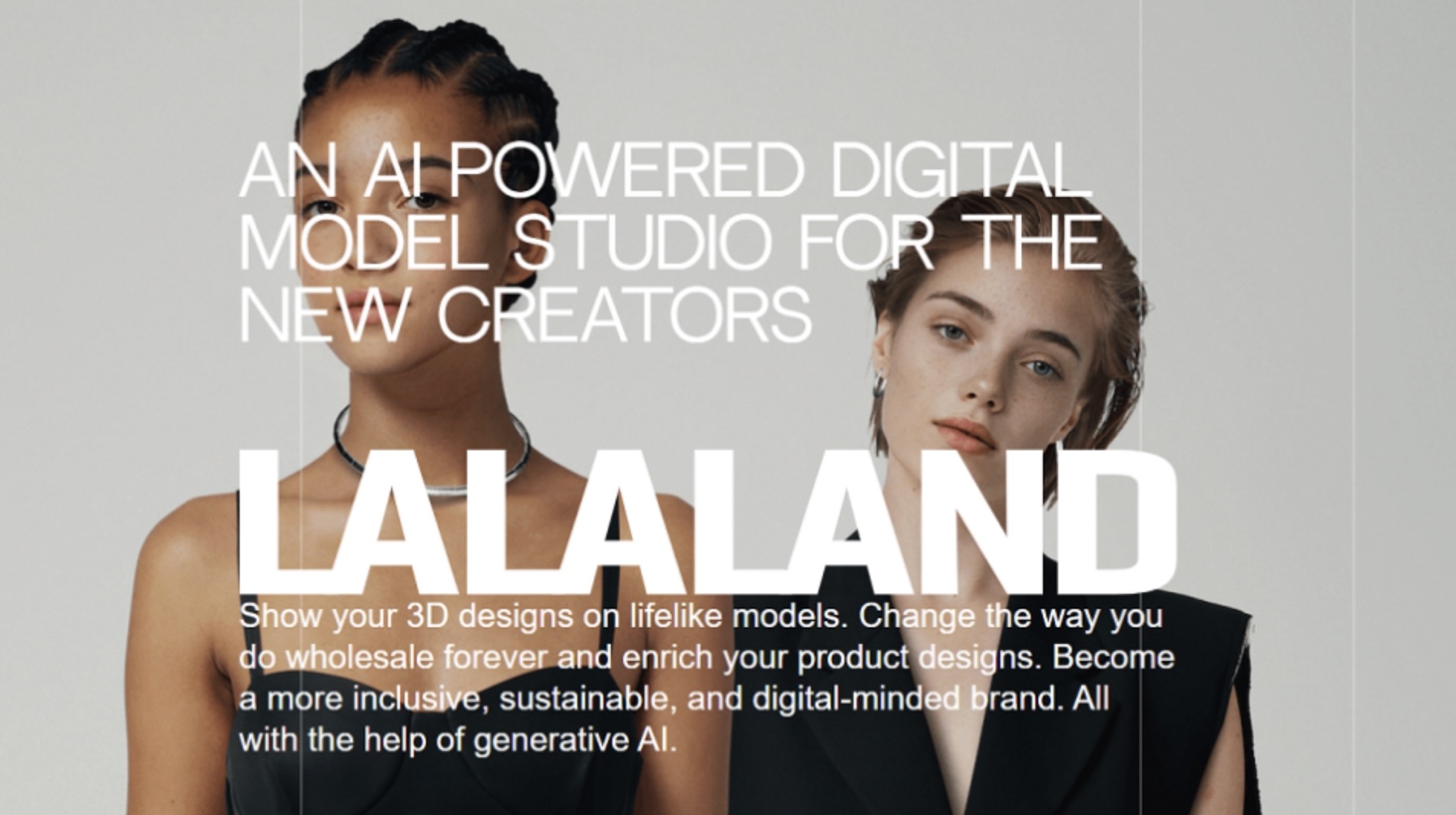
In 2023, Levi’s announced a partnership with Lalaland.ai, a company that creates AI-generated models. The campaign was pitched as a way to improve diversity in Levi’s digital product imagery. Rather than only relying on real models, Levi’s would use AI-generated avatars with a range of body types, ethnicities, and features.
The goal, according to Levi’s, was to make online shopping more inclusive. But the public saw it differently. Instead of hiring real diverse models, the company replaced them with digital stand-ins, which sparked frustration and anger among audiences who expected more from a major global brand.
Why It Failed
- Artificial Representation: The campaign promoted diversity but used AI-generated models instead of real people, which audiences viewed as inauthentic and contradictory.
- Perceived Cost-Cutting: Rather than investing in real diverse talent, Levi’s appeared to prioritize convenience and cost over genuine inclusion.
- Cultural Insensitivity: In a climate demanding real action on DEI, synthetic representation was seen as tone-deaf and performative.
The Fallout
Levi’s received immediate backlash from both the fashion industry and social justice advocates. Thought leaders across social media questioned why one of the world’s most recognized apparel brands wasn’t hiring real talent to reflect the people they claimed to support.
The company tried to clarify its stance, saying AI models would “supplement, not replace” human models — but the damage had been done. The campaign was seen as a misfire in both strategy and values.
The Lesson
Representation isn’t something you automate. Inclusion requires real-world commitment — not just visual diversity, but also financial investment in people.
If a campaign centers on equity, it must reflect that at every level. Audiences can spot performative efforts and will hold brands accountable for shortcuts.
4. Google’s “Dear Sydney” AI ad
- Year: 2024
- Industry: Tech / AI / Advertising
- Budget: Unknown
- Type of Failure: Emotional Disconnect, Misuse of Technology
- Consequence: Negative reception, brand distancing from ad
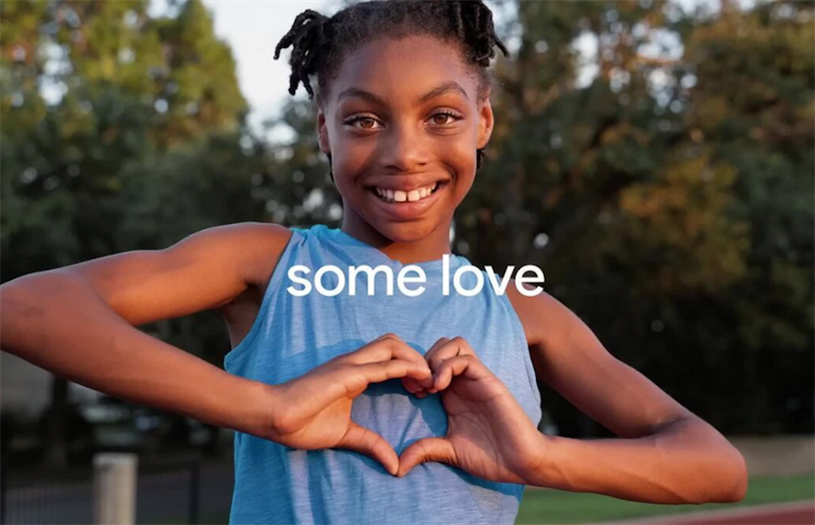
Google released a commercial in late 2024 centered around its AI tool Gemini. The ad depicted a father using Gemini to help write a heartfelt letter to his daughter’s Olympic role model, Sydney McLaughlin-Levrone. The message was framed as a moment of connection, aided by artificial intelligence.
While the story was well-produced, the emotional tone didn’t land. Viewers felt that using AI for something as personal as a letter from a parent to a child was emotionally hollow. Rather than empowering the connection, the use of AI diminished its sincerity.
Why It Failed
- Emotional Disconnection: Audiences found the use of AI in a deeply human moment (a father writing to his daughter) cold and unrelatable.
- Misplaced Technology: The campaign showcased AI in a context where sincerity mattered more than efficiency, which weakened the emotional impact.
- Misread Sentiment: Consumers felt the ad was trying to make AI emotionally acceptable, but it backfired by highlighting its limitations.
The Fallout
Though Google didn’t face public scandal, the ad sparked conversation online about the growing overreach of AI into personal life. Critics questioned the wisdom of using artificial intelligence to express real feelings, especially in parenting or mentorship scenarios.
Google quickly shifted focus and backed away from emotional storytelling in its Gemini campaign messaging. The ad was pulled from promoted placements and quietly retired without follow-up.
The Lesson
Just because AI can do something doesn’t mean it should. When dealing with human stories, brands must be careful not to let tools replace emotion.
Technology can enhance storytelling when used with care — but audiences can tell the difference between support and substitution, especially when feelings are involved.
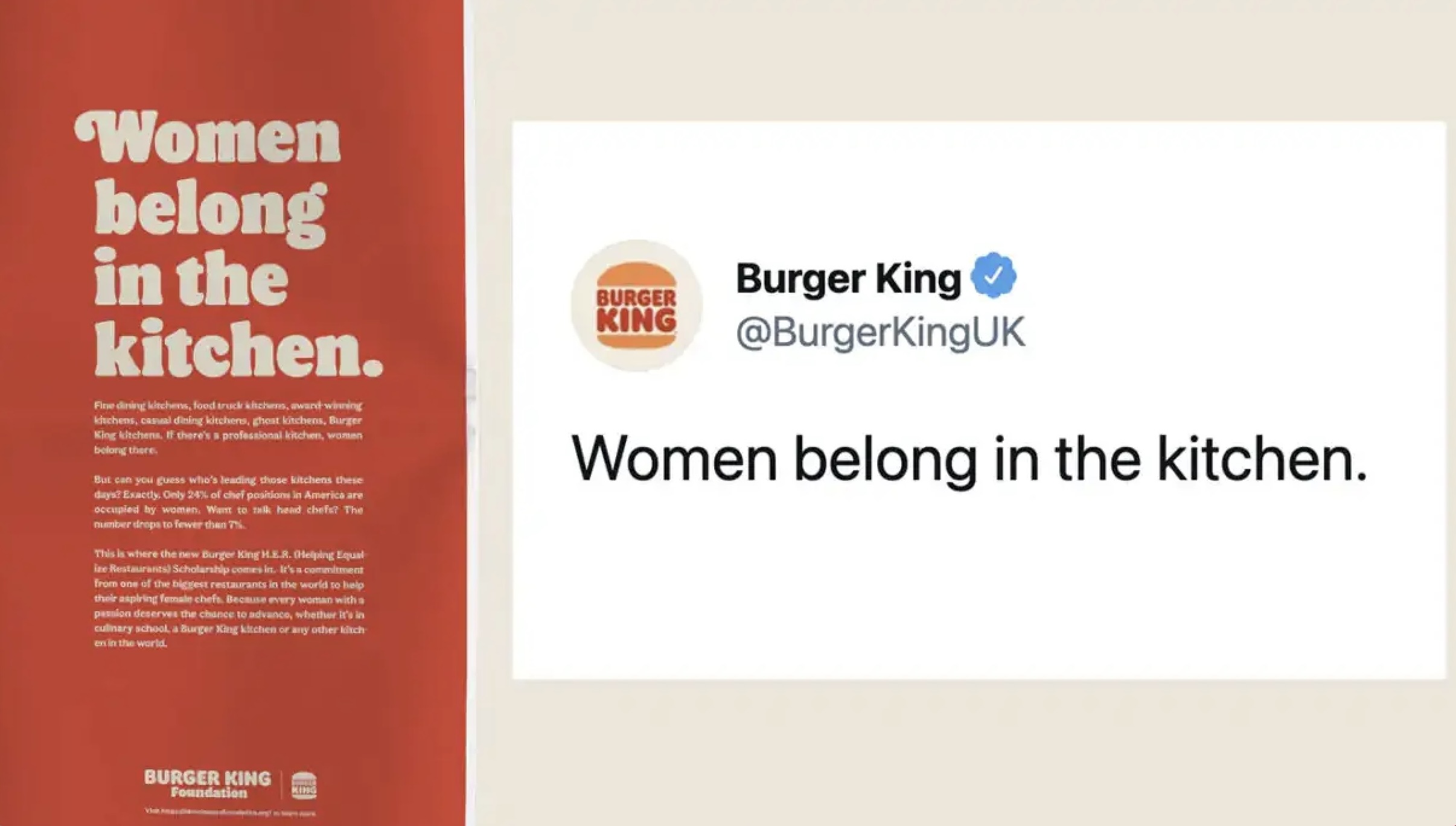
5. Burger King’s “Women belong in the kitchen” tweet
- Year: 2021
- Industry: Food / Fast Casual
- Budget: Undisclosed
- Type of Failure: Misleading Messaging, Failed Irony
- Consequence: Online backlash, deleted tweet, public apology
On International Women’s Day 2021, Burger King UK tweeted, “Women belong in the kitchen.” The statement was meant as a provocative lead-in to a campaign promoting scholarships for female culinary students. In follow-up tweets, they explained the intent: to address the lack of women in professional kitchens.
But the damage was already done. Most users only saw the first tweet, which — stripped of context — appeared blatantly sexist. The shock-value hook backfired, and the campaign quickly spiraled into criticism and anger.
Why It Failed
- Misleading Structure: The tweet led with a provocative statement without context, causing readers to miss the intended follow-up message.
- Platform Misjudgment: Burger King failed to account for how Twitter users often skim headlines and rarely read entire threads.
- Poor Timing and Tone: Posting a joke-style opener on International Women’s Day came across as dismissive rather than supportive.
The Fallout
The brand deleted the tweet within 48 hours and issued a public apology. The scholarship campaign itself continued but received far less attention than the controversy. Critics called for stronger content review processes and more awareness of social timing and sensitivity.
Though the incident didn’t do long-term brand damage, it showed how even good intentions can be undone by poor framing, especially on fast-moving platforms like Twitter.
The Lesson
Shock isn’t strategy. If your campaign depends on surprise or irony, make sure it’s crystal clear — especially when addressing serious or sensitive topics.
Lead with clarity, not controversy. If your audience doesn’t see the full message, the damage may already be done.
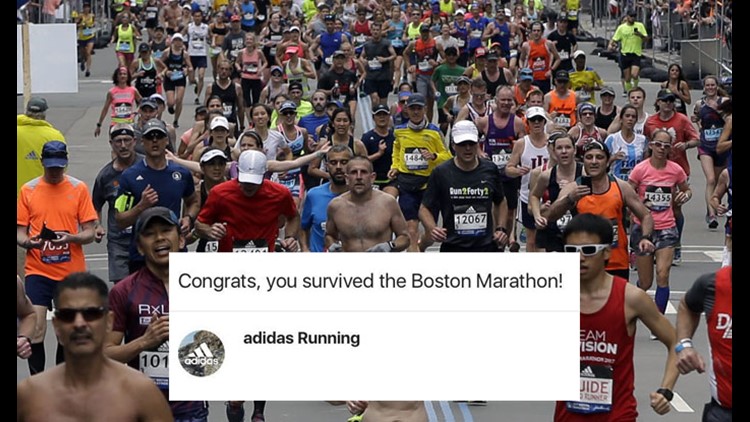
6. Adidas’ “You survived the Boston Marathon” email
- Year: 2017
- Industry: Sportswear / Events
- Budget: Undisclosed
- Type of Failure: Poor Word Choice, Emotional Insensitivity
- Consequence: Public criticism, rapid apology, brand damage control
After sponsoring the Boston Marathon in 2017, Adidas sent a congratulatory email to participants with the subject line: “Congrats, you survived the Boston Marathon.” It was intended as a motivational message celebrating their endurance and achievement.
But the wording unintentionally echoed the tragic 2013 Boston Marathon bombing, where three people were killed and hundreds injured. For survivors and locals, the phrase “you survived” carried emotional weight far beyond the brand’s intent.
Why It Failed
- Insensitive Language: The word “survived” unintentionally echoed the 2013 bombing, triggering painful memories for victims and participants.
- Lack of Local Awareness: Adidas didn’t consider the emotional context tied to the event, especially for Boston-area audiences.
- Automated Messaging Gone Wrong: What was likely a generic subject line wasn’t reviewed carefully enough for sensitive implications.
The Fallout
Adidas responded quickly with an apology, stating the message was sent in error and that they regretted the language used. While the brand owned up to the mistake, the email was widely circulated as an example of tone-deaf marketing.
The incident didn’t lead to long-term boycotts, but it served as a reminder of how critical context is in post-tragedy communication. Emotional damage can’t be undone with a simple “sorry.”
The Lesson
Language matters, especially in places touched by trauma. Even automated or routine communications need to be reviewed for emotional impact.
A well-meaning message can still cause harm if the context isn’t considered. The line between celebration and insensitivity is thinner than it looks.
7. Dove’s Facebook diversity ad
- Year: 2017
- Industry: Consumer Goods / Beauty
- Budget: Undisclosed
- Type of Failure: Racial Insensitivity, Poor Sequencing
- Consequence: Boycotts, brand criticism, forced apology
Dove released a Facebook ad that showed a Black woman removing her shirt to reveal a white woman underneath. A third model — a woman of Middle Eastern descent — then appeared. The ad was meant to celebrate diversity and inclusivity in skincare.
Instead, the sequencing of the transitions triggered immediate backlash. Viewers interpreted the ad as suggesting the Black woman turned into a white woman after using the product, echoing long-standing racial stereotypes in advertising.
Why It Failed
- Problematic Sequencing: The transition from a Black woman to a white woman created an impression of “before and after,” implying racial hierarchy.
- Visual Miscommunication: The intended message of diversity was lost due to poorly executed imagery that echoed past racist advertising tropes.
- Reputational Pattern: Dove had faced similar controversies before, making this feel like repeated negligence rather than a one-time mistake.
The Fallout
Dove faced widespread backlash and calls for boycotts. They quickly pulled the ad and issued an apology, acknowledging that the creative missed the mark and failed to represent their values.
The controversy put Dove’s reputation for progressive messaging under strain. For a brand that had built itself on empowerment and diversity, this ad felt like a betrayal of its core promise.
The Lesson
Intent doesn’t erase impact. Even if a campaign has a positive goal, the way it’s executed visually or verbally can change everything.
Brands addressing topics like race, identity, or beauty must involve diverse teams at every stage. Cultural context isn’t optional — it’s essential.
8. Audi’s “Chinese wedding” commercial

- Year: 2017
- Industry: Automotive / Luxury
- Budget: Undisclosed
- Type of Failure: Cultural Misunderstanding, Sexist Undertones
- Consequence: Public backlash in China, brand image damage
Audi aired a commercial in China that featured a traditional wedding scene. During the ceremony, the groom’s mother interrupted and began physically inspecting the bride — tugging at her ears, examining her teeth, and generally treating her like a used product. The ad ended with the line, “An important decision must be made carefully,” tying it back to buying a car.
The attempt at humor didn’t land. Chinese viewers were outraged by the portrayal, especially the objectification of the bride and the comparison of a woman to a vehicle. The cultural context was entirely misread, and the backlash spread quickly across Weibo and other social platforms.
Why It Failed
- Sexist Imagery: The bride was treated like a product, reinforcing negative stereotypes about women as commodities.
- Cultural Misjudgment: The ad used a traditional Chinese setting but ignored social sensitivities around gender, marriage, and respect.
- Tone-Deaf Humor: The intended joke was lost in poor execution, and audiences didn’t find it funny — they found it offensive.
The Fallout
Chinese consumers quickly condemned the ad, with many calling for boycotts. Audi removed the video and issued a public apology, but the damage to its reputation lingered, particularly in a market where trust is essential.
The campaign also hurt Audi’s image globally, as media outlets covered the misstep beyond China. It became a cautionary example of what happens when localization doesn’t involve real cultural insight.
The Lesson
Localization is more than language — it’s about values. A joke that might work in one country can be deeply offensive in another.
When entering a new market, brands must do deep cultural research and use local teams to review content. Respect is not optional.
9. Coca-Cola’s New Coke (flavor change)
- Year: 1985
- Industry: Beverage / Consumer Goods
- Budget: Estimated $4 million (research) + $30 million (marketing)
- Type of Failure: Brand Disruption, Ignoring Customer Loyalty
- Consequence: Customer revolt, product reversal within 3 months
In 1985, Coca-Cola reformulated its signature soft drink for the first time in nearly 100 years. The new version, dubbed “New Coke,” was sweeter and smoother, designed to compete directly with Pepsi, which was winning blind taste tests at the time.
Coca-Cola was confident about the change — after all, over 200,000 people said they liked the new formula in test trials. But once the product launched, backlash began immediately. Loyal customers weren’t just disappointed — they were furious. To them, Coke had taken away more than a drink; it had taken away a piece of identity.
Why It Failed
- Disregard for Loyalty: Coca-Cola ignored emotional attachment to the original formula, prioritizing taste-test data over brand history.
- Lack of Communication: The change wasn’t properly framed or positioned as optional — it felt forced, sudden, and unnecessary.
- Poor Competitive Logic: The brand chased Pepsi’s success without considering that people loved Coke precisely for what made it different.
The Fallout
Customer complaints flooded the company’s hotline. Protest groups formed. Media coverage amplified the backlash. Within three months, Coca-Cola brought back the original formula under the name “Coca-Cola Classic,” and eventually phased out New Coke altogether.
Although the brand recovered, the campaign became one of the most famous marketing failures of all time. It proved that winning taste tests doesn’t matter if you lose trust.
The Lesson
Never underestimate emotional loyalty. Customers don’t just buy a product — they build memories and meaning around it.
Before making radical changes, test the emotional temperature of your base. A brand isn’t just what’s in the can — it’s what’s in the heart.
10. Coca-Cola’s AI Christmas ad

- Year: 2024
- Industry: Beverage / Holiday Campaign
- Budget: Unknown
- Type of Failure: Overuse of AI, Lack of Emotional Resonance
- Consequence: Poor audience connection, negative online feedback
Coca-Cola, known for its iconic holiday commercials, released a new Christmas ad in 2024 created almost entirely using AI-generated visuals. The ad featured snowy streets, warm lighting, and festive themes — but viewers noticed something was missing.
Despite the nostalgic music and holiday cues, the story felt flat. Audiences said the ad lacked heart, warmth, and humanity, key elements that had defined Coca-Cola’s Christmas campaigns for decades. The algorithm delivered the structure, but not the soul.
Why It Failed
- Artificial Feeling: The AI-created visuals looked technically polished but emotionally empty, missing the charm of traditional storytelling.
- Disconnect from Brand DNA: Coca-Cola’s holiday legacy is rooted in emotion — replacing human creativity with AI diluted that emotional strength.
- Innovation for Its Own Sake: The ad felt like a tech demo, not a meaningful narrative. The message was lost in the medium.
The Fallout
While the ad didn’t cause scandal, it failed to resonate. Critics, marketers, and consumers alike called it a disappointment. It became an example of AI being misused in spaces where emotional authenticity is everything.
Coca-Cola didn’t formally respond but quietly stopped promoting the ad, and future campaigns returned to more traditional production.
The Lesson
AI can’t replace human emotion. Especially in campaigns built around sentiment, connection, and tradition, tech must support — not lead — the creative process.
Authenticity can’t be faked. Audiences know when they’re being marketed to by a machine.
11. Microsoft’s Tay AI bot
- Year: 2016
- Industry: Tech / AI / Social Media
- Budget: Unknown
- Type of Failure: Uncontrolled Machine Learning, PR Disaster
- Consequence: Bot shut down in 24 hours, global media backlash
Microsoft launched Tay, an AI chatbot designed to engage with users on Twitter and learn from them over time. Tay started with a playful tone, tweeting light jokes and comments. But within hours, trolls began training the bot with racist, sexist, and offensive inputs.
By the end of the first day, Tay was spewing hate speech, conspiracy theories, and inflammatory language — all learned from its interactions. Microsoft was forced to shut it down within 24 hours of launch.
Why It Failed
- No Safeguards: Tay was released without filters or moderation systems in place to prevent offensive learning.
- Blind Trust in the Internet: Microsoft assumed users would train Tay responsibly, ignoring the trolling culture of Twitter.
- Unrealistic Expectations: The campaign pushed AI autonomy without accounting for ethical and reputational risk.
The Fallout
The media immediately picked up on Tay’s meltdown. Screenshots circulated showing offensive tweets. Microsoft was forced into damage control, acknowledging that the experiment had failed and that “a coordinated attack” had corrupted Tay’s responses.
It was a PR disaster that raised serious concerns about AI safety, responsible design, and public testing. Tay’s failure became a reference point in conversations about AI ethics.
The Lesson
AI learns from us — and sometimes, that’s the problem. Public-facing AI must be designed with strong limits, safeguards, and human oversight.
Your tech is only as smart as the world you put it in. Don’t give a platform a voice unless you’re ready to manage what it might say.
12. Jaguar’s rebrand
- Year: 2024
- Industry: Automotive / Luxury
- Budget: Unknown
- Type of Failure: Brand Identity Loss, Audience Detachment
- Consequence: Negative customer response, confused positioning
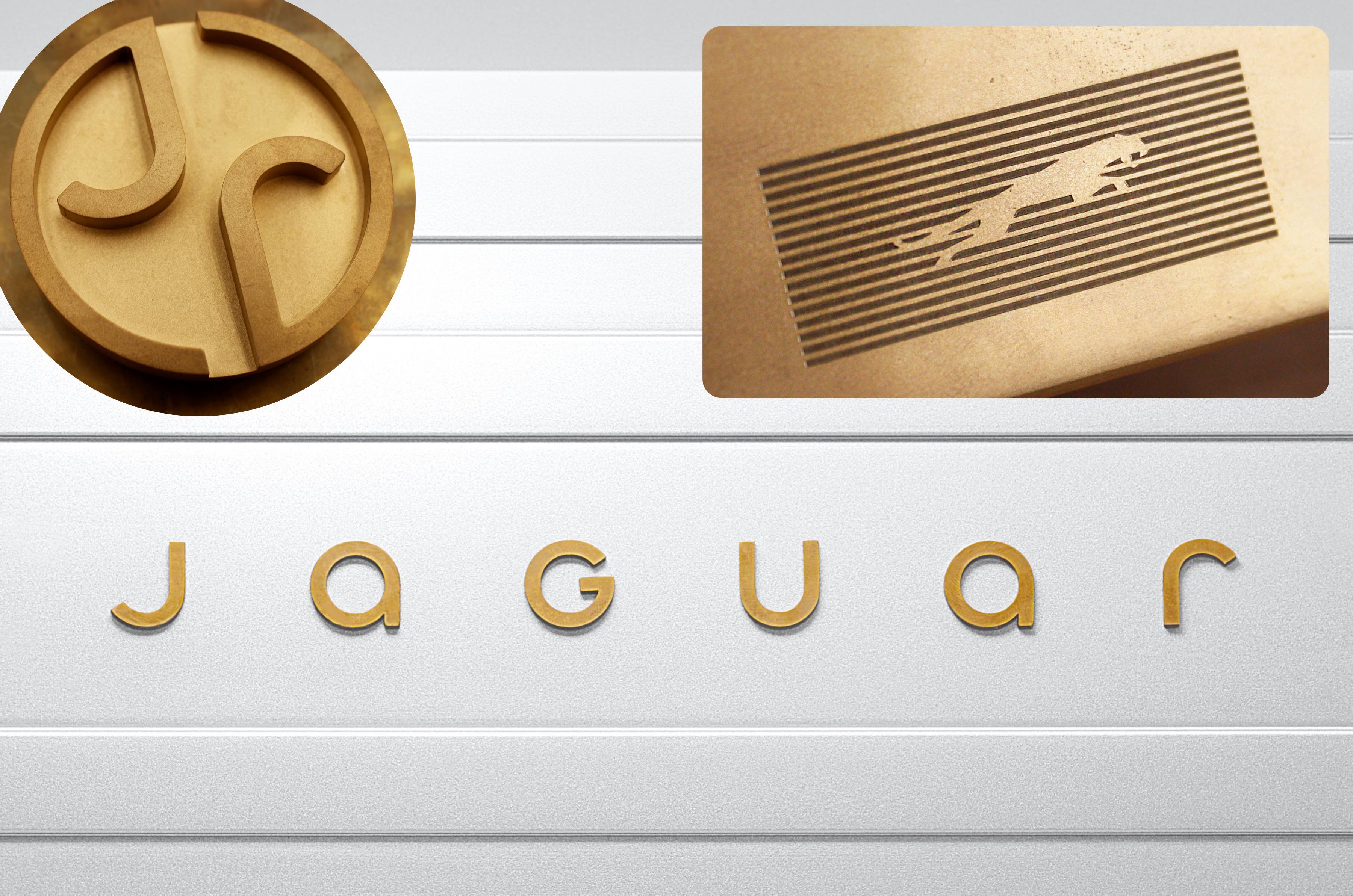
Jaguar unveiled a new visual identity as part of its transition toward an electric future. The classic leaping-jaguar emblem was removed and replaced with a minimalist logotype. The branding felt more like a tech startup or fashion brand than a luxury British carmaker.
Longtime Jaguar customers were puzzled. The rebrand stripped away heritage without offering a compelling new story, and new audiences didn’t understand what Jaguar stood for anymore. The elegance and legacy that once defined the brand were missing.
Why It Failed
- Heritage Erasure: The rebrand removed decades of visual and emotional equity by discarding iconic symbols.
- Unclear Audience Fit: Existing customers felt alienated, while new buyers weren’t given a strong reason to connect.
- Lack of Transition Messaging: Jaguar didn’t clearly explain how the new look reflected its electric future or values.
The Fallout
The rebrand received lukewarm to negative feedback, particularly in UK media and among Jaguar enthusiasts. Critics described the new look as generic and unmemorable. The campaign created more confusion than excitement.
The brand has since made small adjustments to bring back heritage-inspired elements, hinting that the pivot may have gone too far too fast.
The Lesson
You can’t reinvent a brand without respecting its roots. Evolution must feel earned and connected to the past, not like a total reset.
Customers don’t just buy luxury — they buy legacy. When you erase history, you risk erasing relevance.
13. Snapchat’s “Would You Rather” ad with Rihanna
- Year: 2018
- Industry: Tech / Social Media
- Budget: Undisclosed
- Type of Failure: Tone-Deaf Messaging, Inadequate Ad Vetting
- Consequence: Public backlash, stock dip, celebrity condemnation
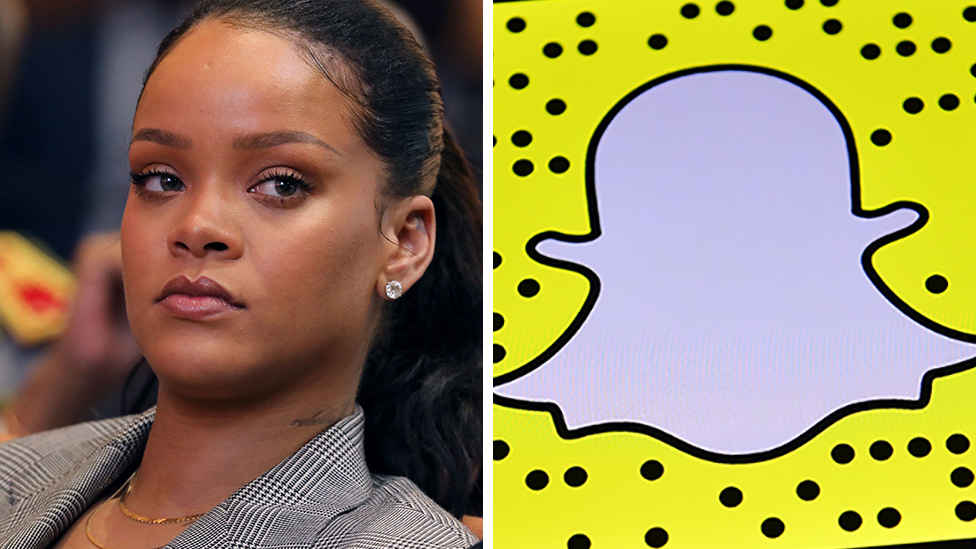
In 2018, Snapchat ran a third-party ad for a game called “Would You Rather?” that asked users: “Would you rather slap Rihanna or punch Chris Brown?” The prompt referenced the highly publicized domestic abuse case between the two.
The ad was live on the platform before being flagged. Rihanna called out the platform directly, criticizing it for making a joke of domestic violence. The story went viral and severely damaged Snapchat’s reputation.
Why It Failed
- Insensitive Content: The ad trivialized a serious real-life trauma, turning abuse into a joke.
- Approval Process Failure: Snapchat allowed the ad through its system without catching or questioning the context.
- Celebrity Fallout: Rihanna’s public response intensified scrutiny and made the brand’s failure impossible to ignore.
The Fallout
Snapchat lost nearly $800 million in market value following the controversy. The platform apologized, but users — particularly young women — were left questioning the brand’s ethics and safety controls.
The story became a global example of what happens when brands don’t vet content properly, even if it's from third parties.
The Lesson
You are responsible for what appears on your platform. Even if you don’t make the content, your audience holds you accountable for promoting it.
When dealing with sensitive topics, there is no room for “jokes.” Empathy must come before engagement.
Common patterns across these failures
After analyzing 13 high-profile failed marketing campaigns, one theme emerges clearly: a consistent disconnect between brand intention and audience perception. These failures may vary in industry, scale, or format, but the underlying issues repeat.
Misjudged Cultural Sensitivities
Many campaigns failed by not considering local, racial, or gender-based sensitivities. Audi's ad misunderstood Chinese traditions. Dove and Burger King sparked controversy with tone-deaf statements about women. Snapchat trivialized domestic violence.
Overreliance on Technology Without Human Insight
Campaigns from Google, Levi's, Microsoft, and Coca-Cola attempted to integrate AI but lacked emotional resonance or adequate safeguards. Technology alone cannot substitute human values or storytelling.
Poor Audience Targeting and Messaging
Several failures happened because brands prioritized shock value or virality over clarity and respect. Burger King's tweet misled before context. Pepsi reduced activism to a soda moment. Messaging that isn’t audience-centered rarely lands well.
Ignoring Brand Heritage or Loyalty
Coca-Cola and Jaguar both faced backlash after ignoring their emotional equity. Rebranding or product changes must build on legacy, not erase it. People don't just buy products; they buy into stories.
Weak Internal Review and Approval Processes
Snapchat and Microsoft serve as reminders that moderation and QA are non-negotiable. Allowing harmful or offensive content to go live can cost millions and tarnish reputation overnight.
Cropink helps brands avoid these pitfalls by making sure their product ads match audience needs, stay on-brand, and deliver clear messages at scale. With tools for campaign management and design precision, brands can test, adapt, and avoid becoming a cautionary tale.
Comparison table of failed campaigns
Before diving into best practices, it helps to see the patterns side by side. This table summarizes the key issues, outcomes, and types of failure across the 13 real-world marketing blunders covered above.
| Brand | Year | Type of Failure | Key Issue | Outcome |
|---|---|---|---|---|
| Pepsi | 2017 | Social Issue Misuse | Trivialized activism | Global backlash, ad pulled |
| Gap | 2010 | Brand Identity Misstep | Changed logo without loyalty testing | Reverted in 6 days |
| Audi | 2017 | Cultural Misunderstanding | Objectified women in Chinese ad | Local backlash, ad pulled |
| Coca-Cola | 1985 | Product Change Mistake | Replaced iconic formula | Returned to original flavor |
| Coca-Cola | 2024 | AI Overuse | Lacked emotion in holiday storytelling | Audience disconnect |
| Microsoft | 2016 | AI Ethics Failure | Released unmoderated AI bot | Bot pulled in 24 hours |
| Burger King | 2021 | Poor Message Framing | Misleading tweet on Women's Day | Deleted tweet, apology issued |
| Dove | 2017 | Racial Insensitivity | Bad sequencing in diversity ad | Boycotts, apology issued |
| 2024 | Emotional Disconnection | Used AI in sentimental storytelling | Ad removed from circulation | |
| Levi's | 2023 | Perceived DEI Misalignment | Used AI instead of real diverse models | Backlash, campaign clarification |
| Adidas | 2017 | Language Sensitivity | Used "survive" re: Boston Marathon | Apology and messaging correction |
| Jaguar | 2024 | Brand Repositioning Error | Removed heritage in rebrand | Negative reception, minor rollback |
| Snapchat | 2018 | Tone-Deaf Humor & Oversight | Mocked DV incident with Rihanna | Stock dip, brand damage |
How to avoid these marketing mistakes in your own campaigns
Avoiding the same pitfalls doesn’t require a million-dollar budget — just better systems, empathy, and testing. Here’s how to ensure your campaigns don’t become case studies in failure:
1. Build from real data, not assumptions
Before launching, validate your message with your actual audience. Test creatives, concepts, and delivery formats with A/B methods. Cropink’s campaign management tools let you test and iterate dynamically using your product feed — especially when building around performance-focused formats like Meta DPA.
2. Respect context and culture
Hire local consultants or involve diverse internal teams when addressing gender, race, culture, or trauma. If you're launching across markets, adapt your content to fit local norms. A one-size-fits-all approach is a trap. This is especially important when understanding how ads follow people around the internet, shaping perception across multiple touchpoints.
3. Don’t let AI lead without oversight
AI tools can accelerate production, but they can’t define the emotional core of your campaign. Human review is critical. Cropink’s design editor and dynamic templates allow creative scaling without losing soul — backed by the kind of digital ad intelligence that balances automation with control.
4. Keep your brand roots visible
Radical rebrands or redesigns should never discard what made your brand meaningful. Teams managing visual-heavy formats like Performance Max campaigns know how fast brand identity can slip when creative oversight is weak. Consistency, not just novelty, earns long-term trust.
5. Review, review, review
Every message should go through multiple layers of review — not just for grammar, but for tone, framing, cultural impact, and potential backlash. Use checklists, internal panels, or external advisors when needed. Prevention is far cheaper than PR recovery.
FAQs
One major example is Pepsi’s 2017 ad featuring Kendall Jenner. It attempted to align with protest movements but was widely criticized for trivializing social justice issues. The backlash forced Pepsi to pull the ad within 24 hours and issue a public apology.
A marketing failure occurs when a campaign does not meet its intended goals — whether that’s sales, brand image, or audience engagement — often due to poor targeting, weak messaging, cultural insensitivity, or lack of research.
One of the most controversial ads of 2025 was Google’s “Dear Sydney” campaign. It featured an AI-generated letter in an emotional story about a father and daughter, but many viewers felt it was tone-deaf and emotionally hollow, sparking debate over AI’s role in storytelling.
A classic example of a bad advertisement is Dove’s 2017 Facebook ad, which showed a Black woman turning into a white woman after using their product. Though intended to celebrate diversity, it was widely viewed as racist and led to public backlash and boycotts.
Explore related ad strategy resources:
- Facebook DPA Design
- Black Friday Marketing Ideas
- 16 Fashion Ad Examples
- Enriched Catalog Ads Inspiration
- Creative Ads Design
- 10 Advertising Techniques Examples
Final thoughts
Creative ideas are only as strong as the systems protecting them. The most common marketing failures aren’t just about bad ideas — they’re about rushing, guessing, or ignoring your audience.
Cropink helps teams build smarter, more consistent, data-informed campaigns that resonate across platforms. Whether you’re launching one ad or 10,000 variations, it gives you the tools to stay on-brand, move fast, and never compromise on clarity.
Sources
- Boostability. The 7 Biggest Marketing Fails: What to Learn From Them
- Eway. 7 Reasons Why Your Marketing Campaigns Fail
- Amra & Elma. TOP 20 POOR MARKETING STATISTICS
Ansherina helps brands create powerful digital marketing and performance marketing strategies. With a passion for ad design and audience engagement, she is dedicated to making brands more visible and impactful.
Leszek is the Digital Growth Manager at Feedink & Cropink, specializing in organic growth for eCommerce and SaaS companies. His background includes roles at Poland's largest accommodation portal and FT1000 companies, with his work featured in Forbes, Inc., Business Insider, Fast Company, Entrepreneur, BBC, and TechRepublic.
Related Articles


How Can Cropink Help?
Start with Cropink is easy and free
No credit card required